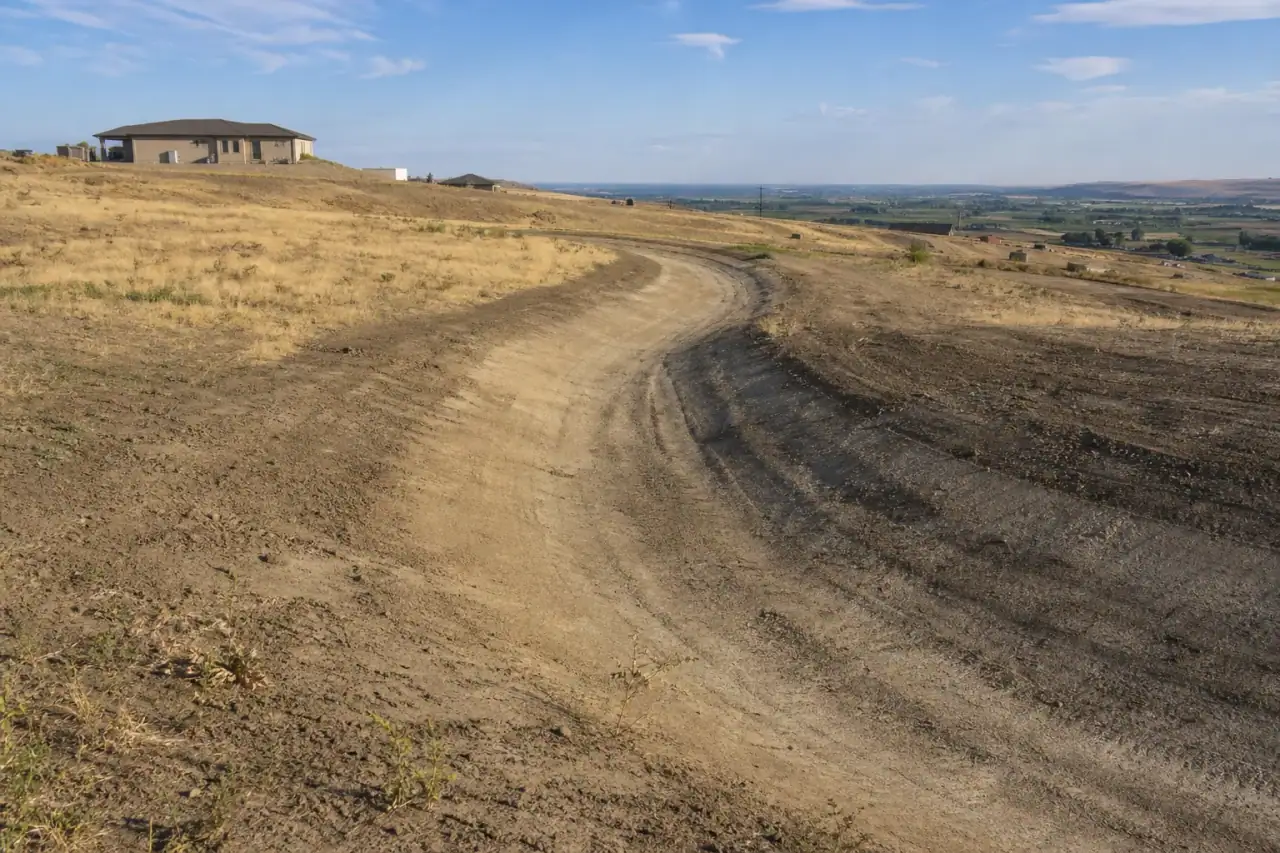
What you will learn
- See how swales redirect water away from problem areas
- Learn when uneven grade affects access and site stability
- Understand what to evaluate before shaping drainage paths
- Find out how swale grading supports future property plans
Swale grading in Prosser is one of the most practical ways to improve how water moves across uneven acreage while also protecting access routes and future use areas. If your property has shallow low spots, inconsistent slopes, soggy sections, or awkward grade transitions, a properly planned swale can help collect and redirect runoff before it creates erosion, rutting, or instability. For homeowners and local business owners in Prosser, this work is often an important first step in making land more functional for drive approaches, open-use areas, and future build-ready sections.
Unlike broad reshaping across an entire parcel, swale grading focuses on creating intentional drainage channels and grade flow that work with the land. In many cases, that means solving a water problem with less disturbance than full-property regrading. If you are comparing options, it may help to review when targeted drainage corrections make more sense than regrading an entire property. That same principle often applies in Prosser, where the right swale layout can improve drainage performance without overworking the site.
Why Uneven Acreage Often Needs Better Drainage Control
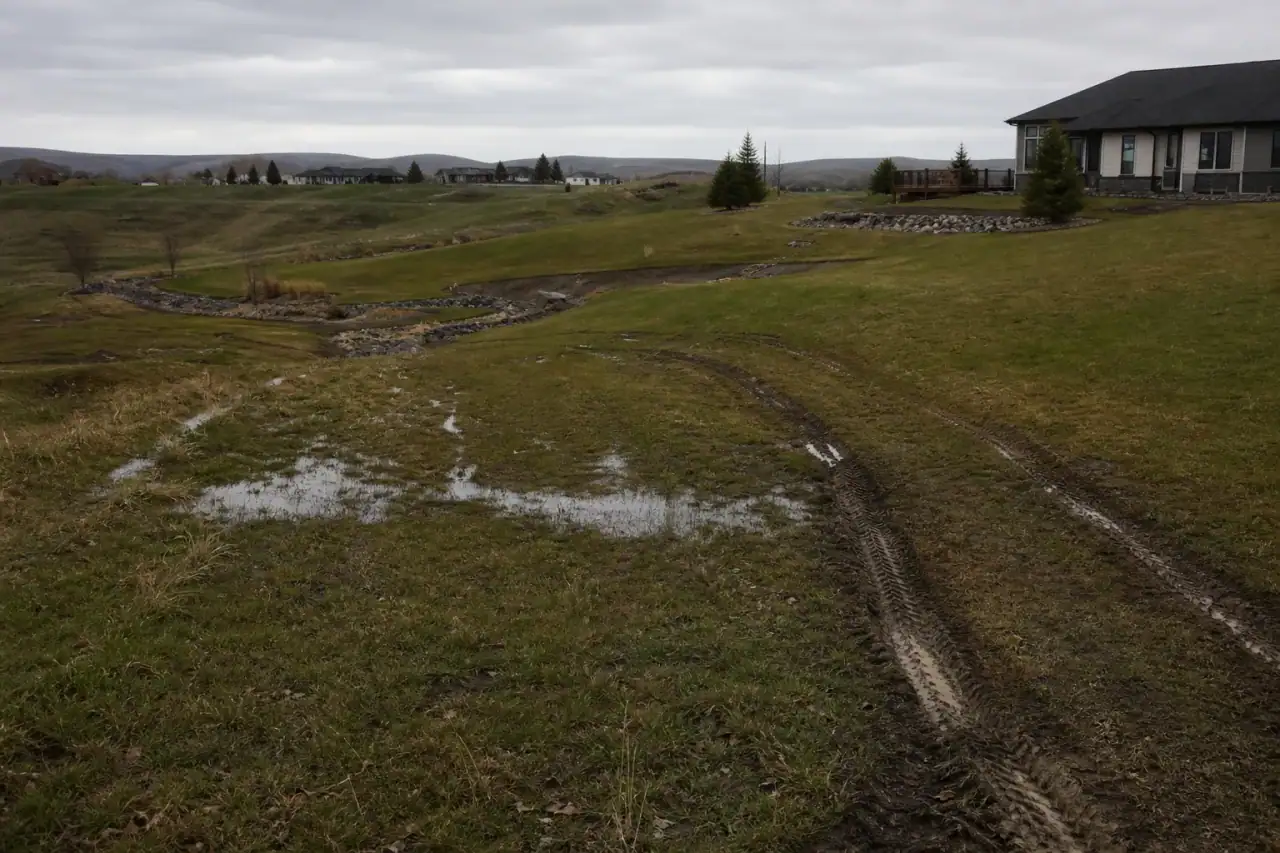
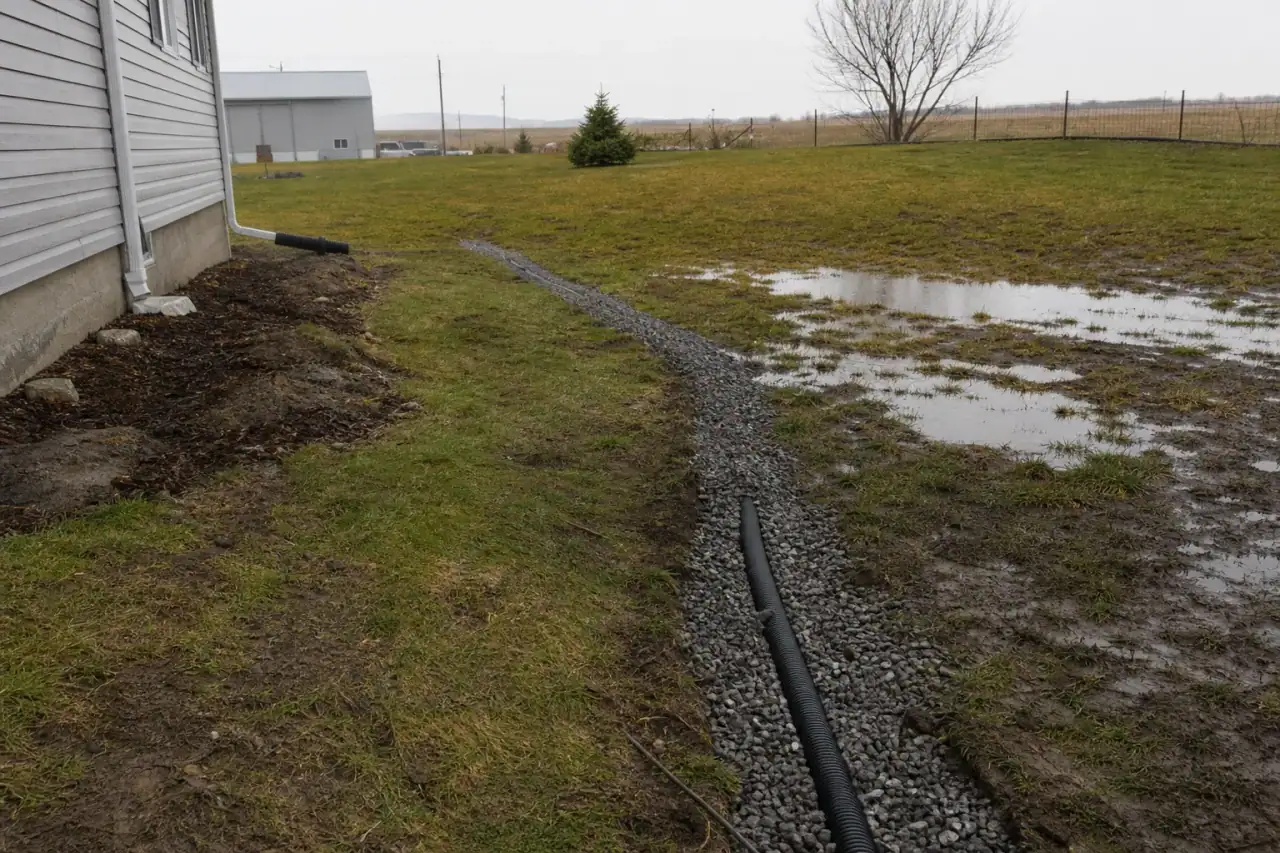
Rural and semi-rural properties rarely drain evenly on their own. Small ridges, old track marks, compacted zones, and subtle depressions can interrupt natural runoff and cause water to collect where it should not. On some properties, the issue is obvious after rain: standing water, muddy access, and wash patterns. On others, the signs are slower to appear, such as soft shoulders near vehicle routes, erosion around open ground, or repeated trouble keeping a future use area dry enough to remain dependable.
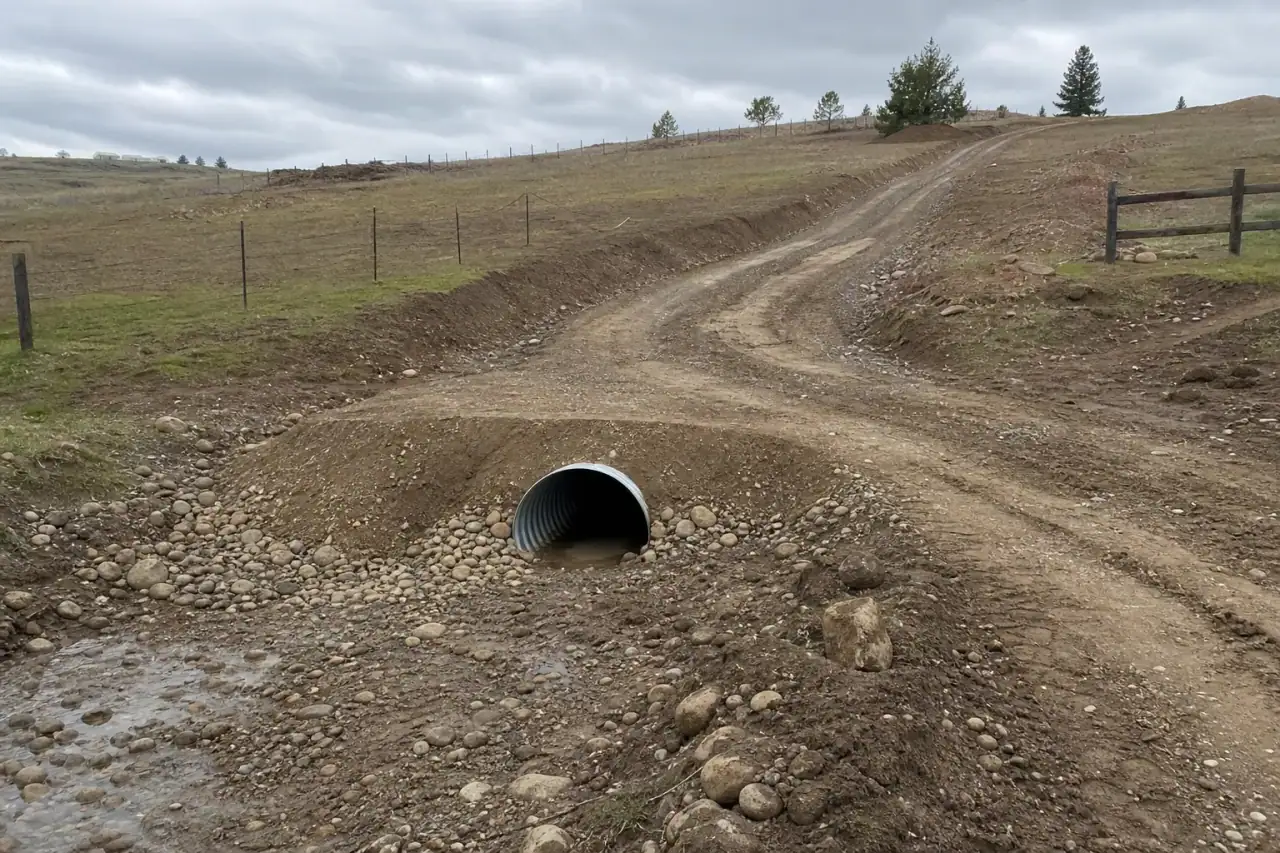
Swale grading in Prosser addresses these problems by shaping a controlled path for water to follow. Instead of allowing runoff to spread unpredictably, a swale intercepts it, slows it, and guides it toward a safer outlet area. Property owners planning future pads, trails, or access improvements often benefit from understanding how drainage and grade work together. For example, many of the same site-readiness concerns discussed in this guide to keeping water away from new pads and driveways apply when evaluating whether a swale should be installed first.
- Low areas that stay soft after normal rainfall
- Water moving across access routes instead of away from them
- Grade changes that push runoff toward future use areas
- Early erosion along open soil or lightly vegetated ground
- Sections of acreage that feel disconnected because drainage cuts across them
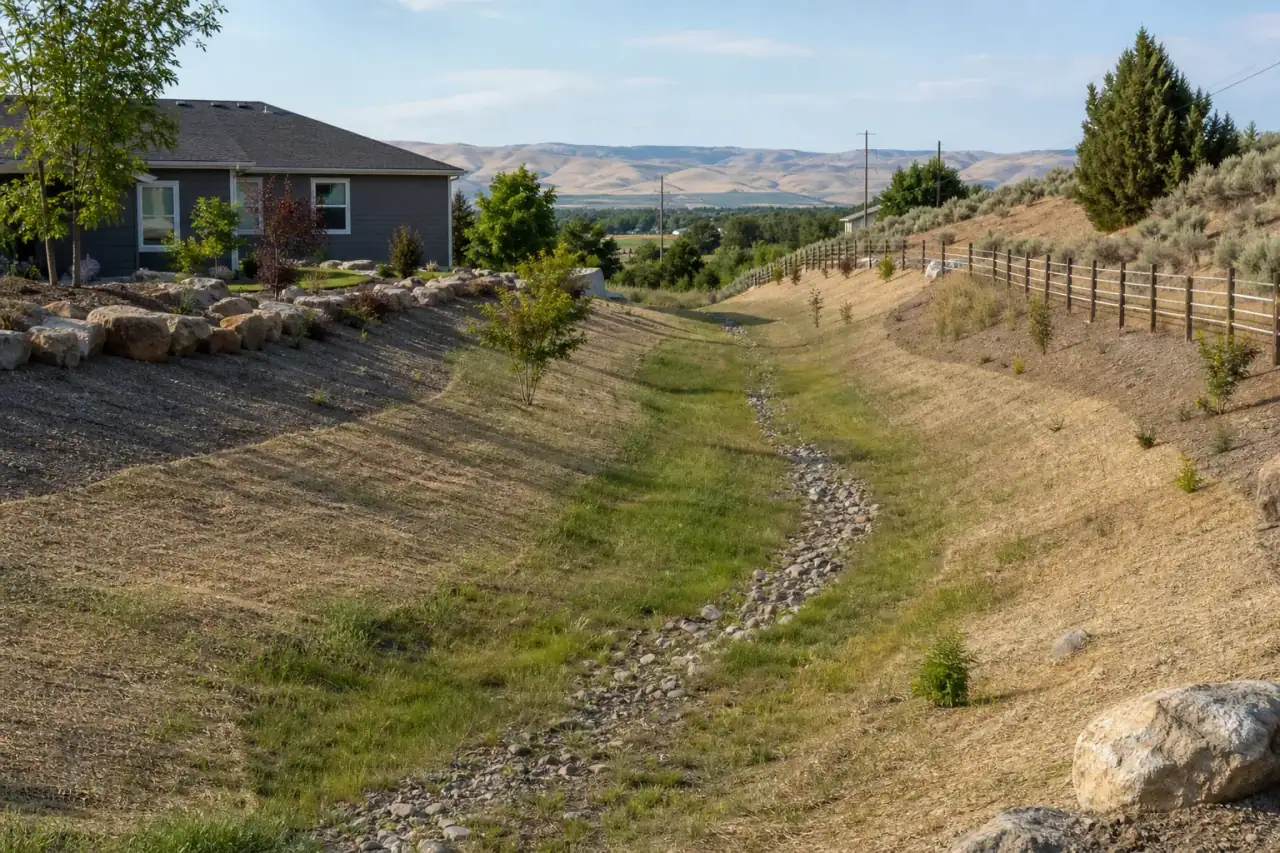
How Swale Grading Improves Access, Drainage, and Site Usability
The biggest advantage of swale grading is control. When runoff is directed intentionally, the surrounding ground is easier to maintain and more dependable to use. Vehicle access benefits because water is less likely to cross travel paths and soften the base below them. Open areas benefit because swales reduce random pooling and help preserve more consistent surface conditions. Future project areas benefit because they are less likely to be affected by runoff from higher ground.
On many properties in Prosser, owners are not just trying to fix today's wet spot; they are trying to avoid tomorrow's larger site problems. A swale can be planned to protect a future building zone, separate runoff from access areas, and create cleaner transitions between higher and lower parts of the property. Similar drainage-first thinking appears in this article on preparing uneven acreage for drainage and access, and it highlights why solving flow patterns early usually leads to better long-term site performance.
What a Professional Evaluation Looks for Before Swale Grading
Effective swale grading in Prosser starts with reading the site correctly. That means identifying where water begins, how it accelerates or slows, where grade transitions break down, and what areas need protection. A professional evaluation considers both current conditions and intended future use. If an owner wants stable access to a back section, cleaner drainage around a planned use area, or better separation between runoff and usable ground, the swale design has to support those priorities from the start.
It is also important to understand what is happening below the surface. Soft zones may indicate repeated saturation, poor drainage flow, or compacted layers that keep water from moving where it should. In some cases, site access concerns overlap with the same slope and runoff issues discussed in this breakdown of drainage and slope problems that should be addressed before surface improvements. Even though the end goal may differ, the lesson is the same: drainage patterns should be corrected before they undermine the next phase of property use.
- Map high and low points across the affected area
- Identify where runoff currently enters and exits the site section
- Locate soft areas, erosion lines, and unstable transitions
- Determine how the swale should protect access and future use zones
- Shape the flow path so water moves consistently without creating new problem spots
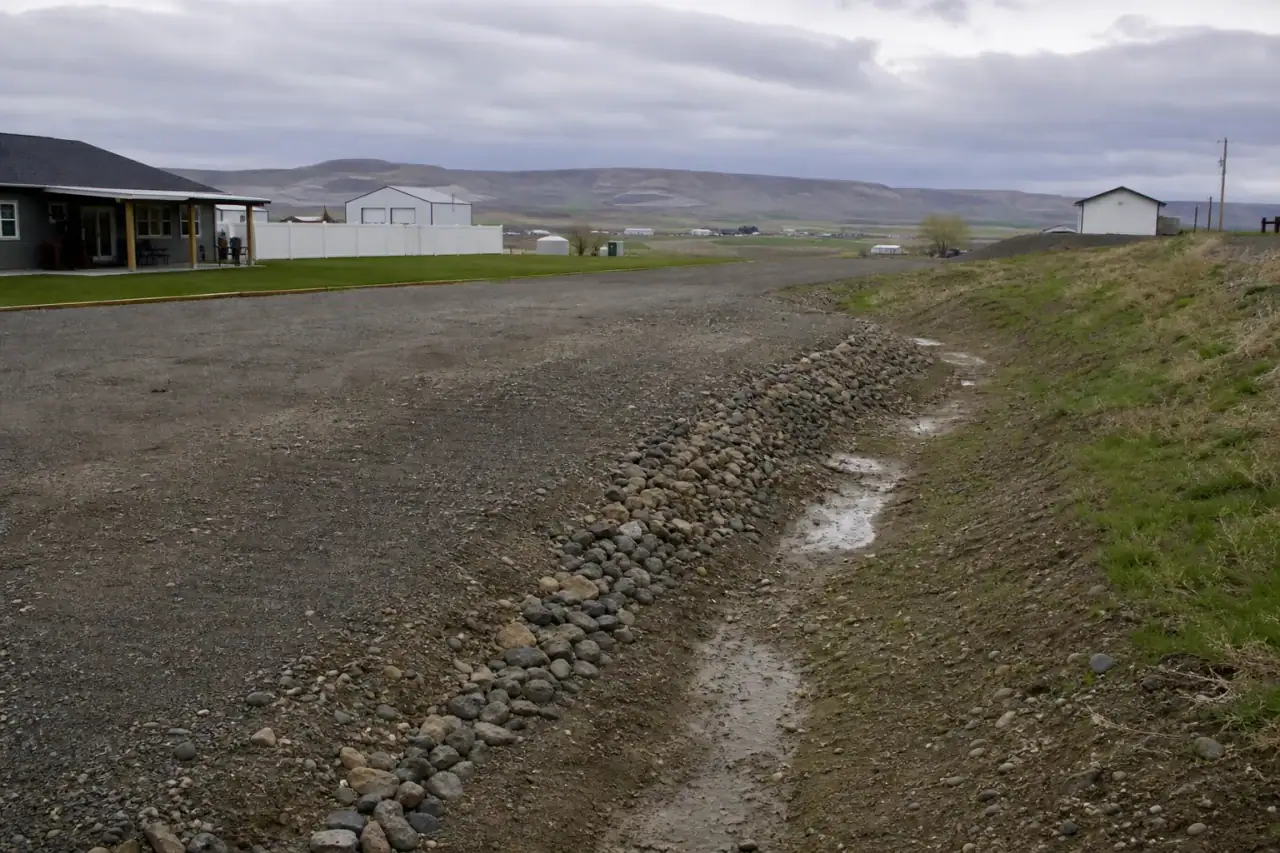
When Swale Grading Is the Right First Step
Property owners sometimes assume they need a much larger grading project when the real issue is unmanaged runoff. Swale grading is often the right first move when the main problem involves water concentration, shallow pooling, or flow crossing through useful ground. By intercepting and redirecting that movement, a swale can make the rest of the property easier to plan and maintain. It can also help owners avoid making future improvements in areas that remain vulnerable to moisture and washout.
This is especially relevant if you are thinking ahead to site preparation. Protecting a future use area from uphill runoff is easier before the area is developed than after. The planning mindset is similar to what readers will find in this guide on evaluating sloped acreage before excavation and this article on coordinating excavation and trenching around a home site. The key takeaway for Prosser property owners is simple: drainage should be organized before land use intensifies.
What Property Owners in Prosser Should Expect From Good Swale Planning
A well-planned swale should do more than move water away fast. It should move water predictably, protect nearby grades, and fit the way the property is used. That means the swale depth, width, alignment, and outlet all need to make sense for the site. The best result is not just a visible channel in the ground; it is a property that performs better after rainfall, holds up better under light vehicle use, and gives owners more confidence about where future projects can go.
Owners should also think about how one drainage correction affects the surrounding land. Redirecting runoff without considering downstream impact can simply shift the problem. That is why planning matters. For additional perspective on preparing land while avoiding new erosion issues, see this post on preventing erosion problems while preparing property for future use and this overview of what to check before scheduling drainage-focused site work. Those ideas reinforce the same principle behind swale grading in Prosser: every grade change should support the overall behavior of the site.
Conclusion
Swale grading in Prosser can be a smart, targeted solution for acreage with uneven slopes, recurring wet areas, and poor drainage flow. When water is guided intentionally, the property becomes more stable, access stays more dependable, and future use areas are easier to plan with confidence. For homeowners and local business owners evaluating land function, swale grading in Prosser is often the step that turns a frustrating layout into a more usable and better-performing site.
Source: Washington conservation and drainage guidance
Frequently asked questions
What is swale grading and how does it help a property?
Swale grading is the shaping of a shallow, controlled drainage channel that collects and redirects runoff across a property. It helps reduce standing water, limits erosion, protects softer areas from repeated saturation, and improves how the land performs during and after rainfall.
How do I know if my property in Prosser needs swale grading?
Common signs include low spots that stay wet, water crossing access routes, recurring mud in the same areas, visible erosion patterns, and runoff moving toward sections you want to keep stable for future use. A site evaluation can determine whether a swale is the right solution and where it should be placed.
Can swale grading help before planning future use areas on acreage?
Yes. Swale grading can be an important first step because it organizes runoff before future site activity increases. By directing water away from intended use areas, it can improve ground stability, reduce moisture-related setbacks, and make later planning more reliable.