What you will learn
- How to choose a shed pad location that protects drainage
- Why grading sequence matters for long-term pad stability
- Which erosion controls help keep surrounding soil in place
- What to review before building on sloped or soft ground
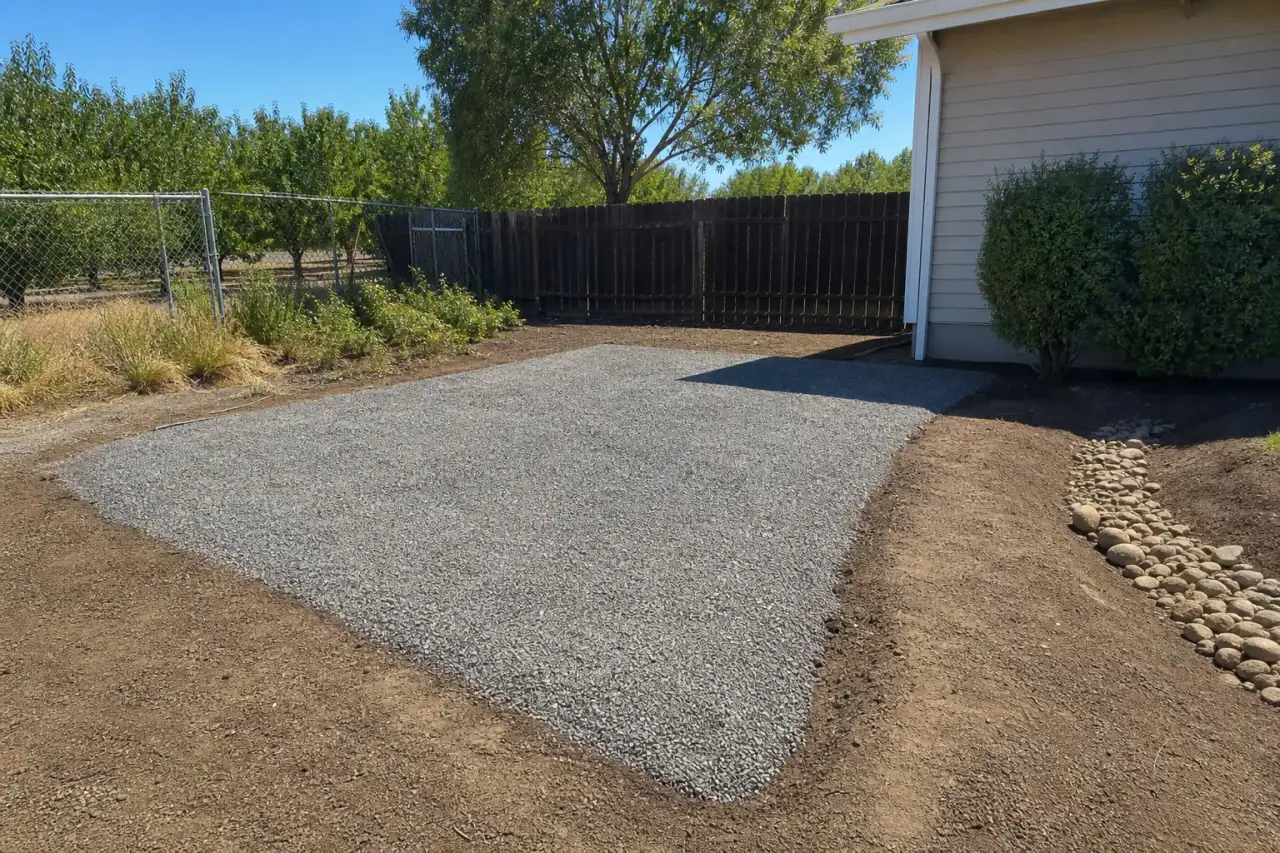
For homeowners and local business owners planning storage shed pads in Sunnyside, the goal is not just creating a flat place to set a shed. A well-built pad also has to manage runoff, protect surrounding soil, and stay stable through seasonal moisture changes. When site work is rushed or sequenced poorly, even a simple shed area can concentrate water, soften edges, and create avoidable erosion. A professional plan keeps access practical while preserving the drainage patterns that help the property function properly.
The most effective approach starts with understanding the site before any grading begins. That means looking at slope, existing water movement, soil firmness, nearby downspouts, and how the finished storage shed pad will tie into the rest of the property in Sunnyside. If you want a broader preconstruction perspective, it helps to review what property owners should know before excavating for a build site and how to evaluate acreage for permanent vegetation and erosion control before finalizing the pad layout.
Start With Drainage, Not Just Flatness
One of the most common mistakes with storage shed pads in Sunnyside is focusing only on level grade. A shed needs a stable, even base, but the surrounding area must still direct water away without cutting channels around the pad. If the finished grade traps runoff on the uphill side or sends it over a bare edge, the pad may stay intact while the nearby soil begins to wash out. That is why drainage should be mapped first: identify where water currently moves, where it should continue moving, and how the pad can be placed without interrupting that path.
In many cases, the best shed location is not the flattest-looking spot. It is the area where modest grading can create a solid footprint while still allowing water to sheet-flow safely across the site. This is especially important if the property has signs of runoff concentration, soft zones, or previous wash patterns. For a useful comparison, see these drainage warning signs to address before site leveling and a site prep checklist focused on drainage planning. The same principles apply when preparing storage shed pads that need to stay dry and dependable.
- Look for low spots where water already lingers after rain or irrigation
- Avoid placing the pad directly in the path of concentrated runoff
- Plan for positive drainage away from the finished shed base
- Preserve stable groundcover where it helps hold nearby soil in place
Sequence the Work to Protect Soil Stability
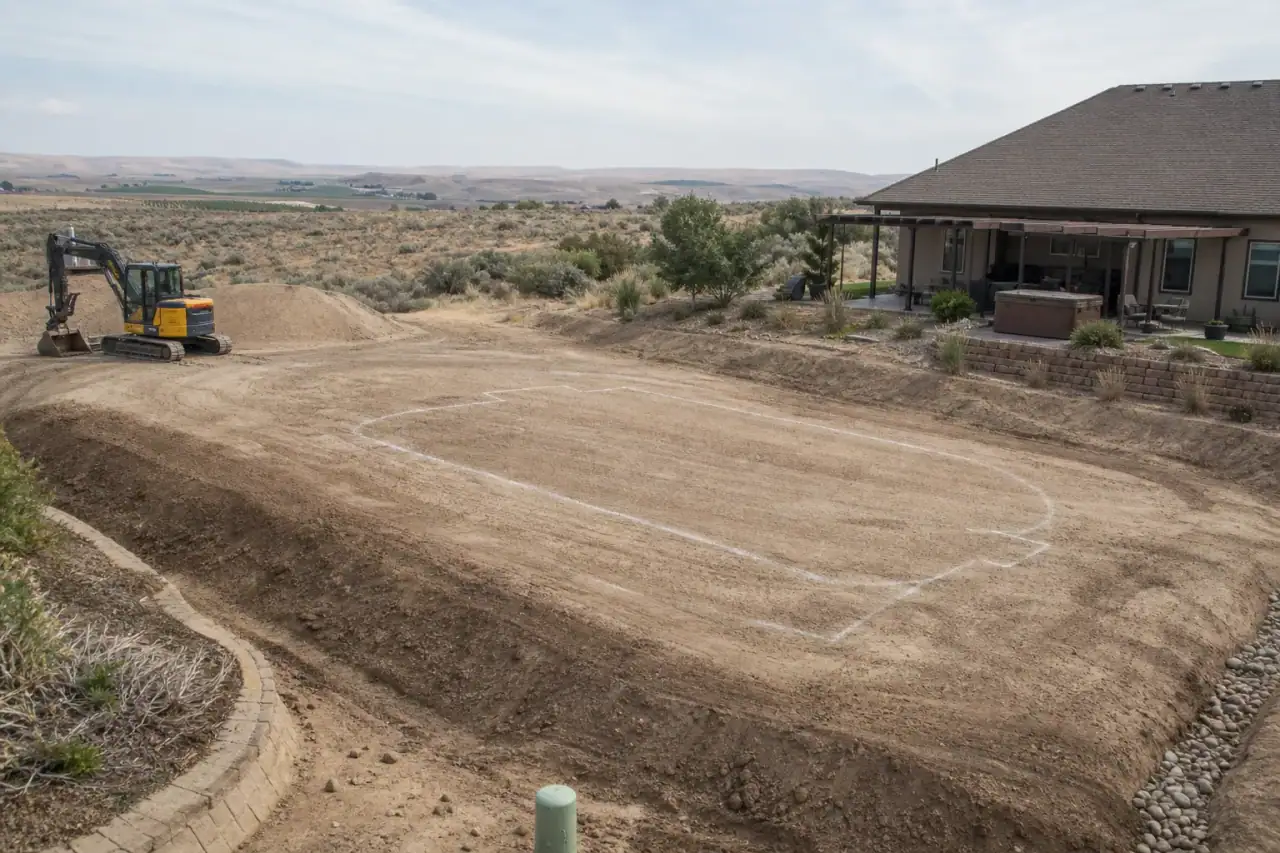
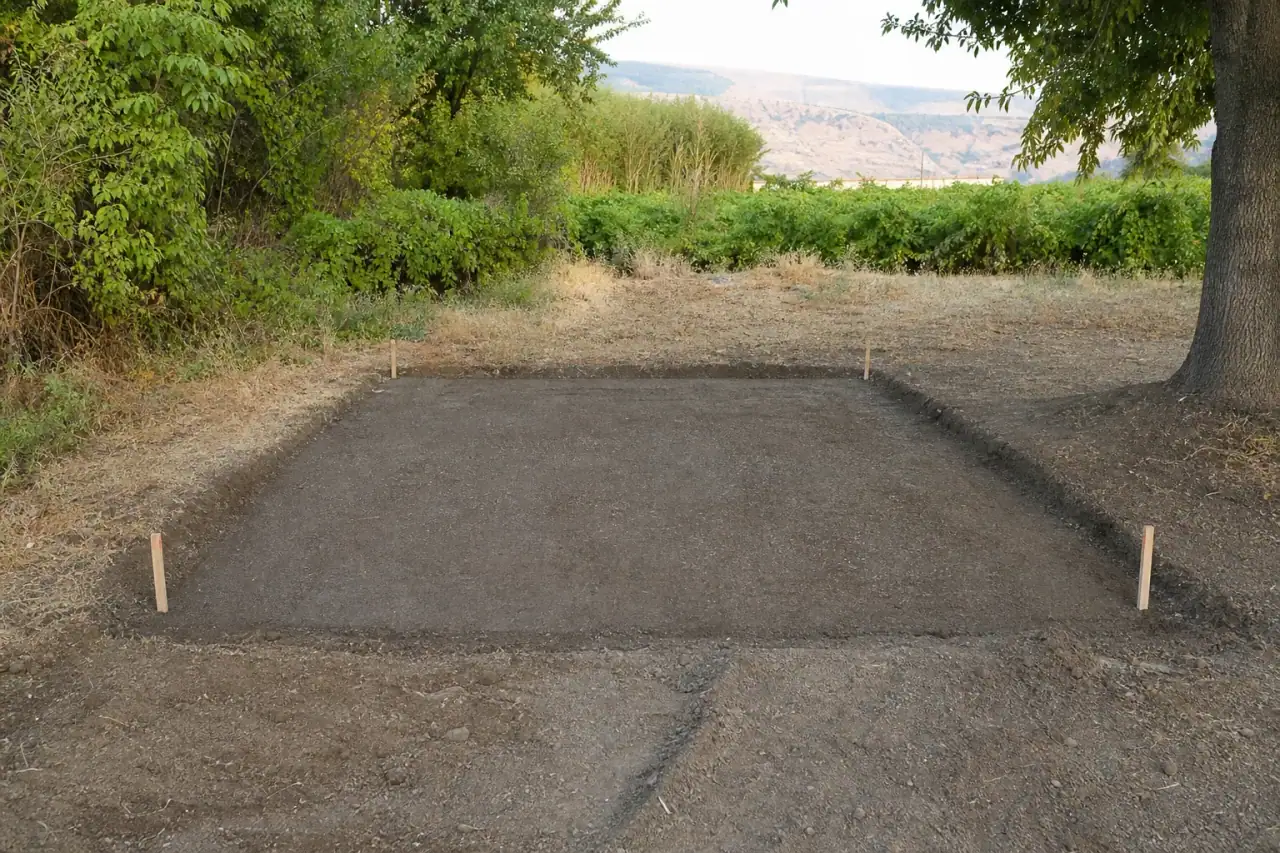
Proper sequencing is what separates a durable storage shed pad in Sunnyside from a pad that needs repeated touch-ups. The site should be evaluated and laid out first, then stripped only as much as necessary, then graded to establish the pad and supporting contours, and finally finished with surface stabilization. When too much soil is exposed too early, wind and water have more opportunity to move it before the base is compacted and protected.
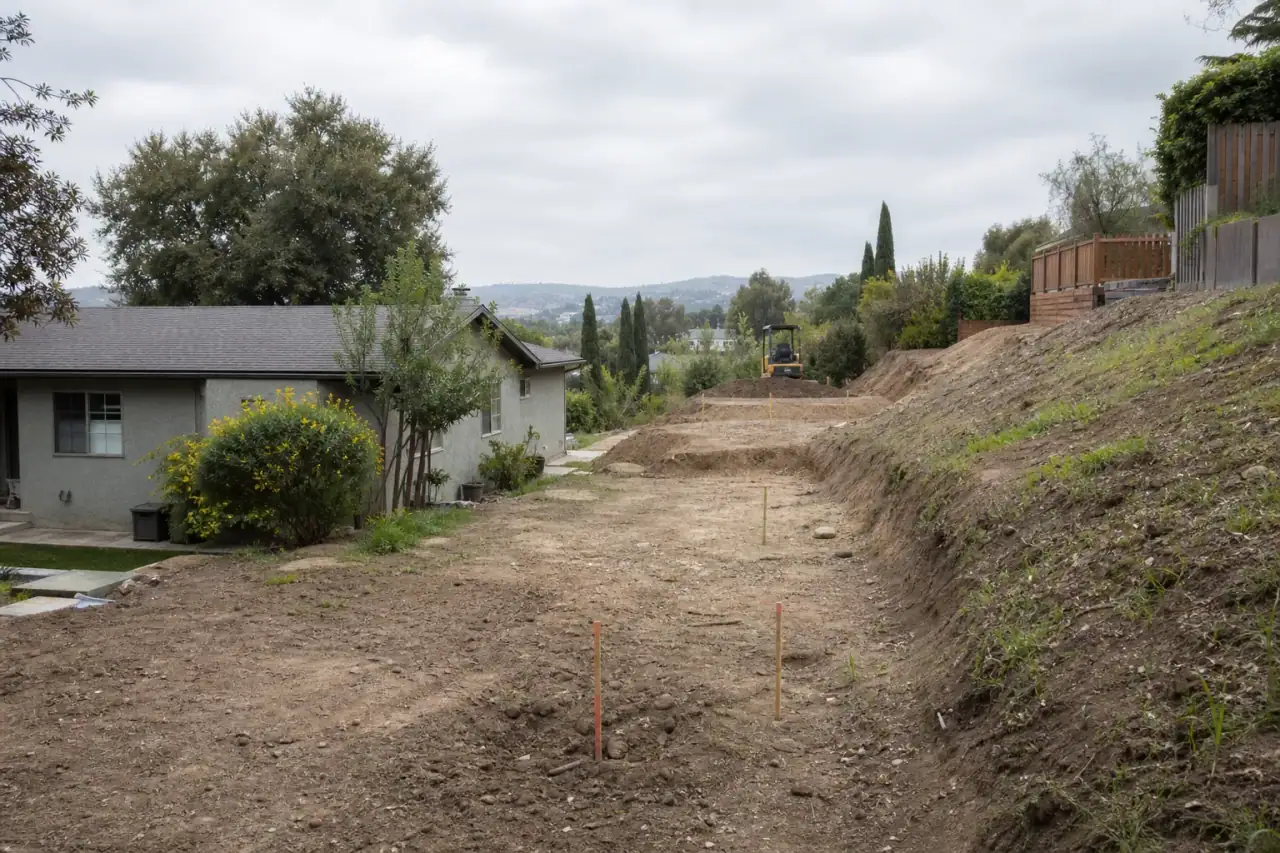
That sequencing matters even more on lots with uneven terrain or mixed soil conditions. If the uphill side is cut before runoff control is considered, water can collect above the pad. If the downhill edge is filled without adequate compaction and shaping, the outside shoulder may settle or ravel away. A good reference point is what to evaluate before excavating on sloped acreage. Even though every property is different, the lesson is consistent: the order of excavation, grading, and stabilization directly affects long-term performance.
Why Minimal Disturbance Often Produces Better Results
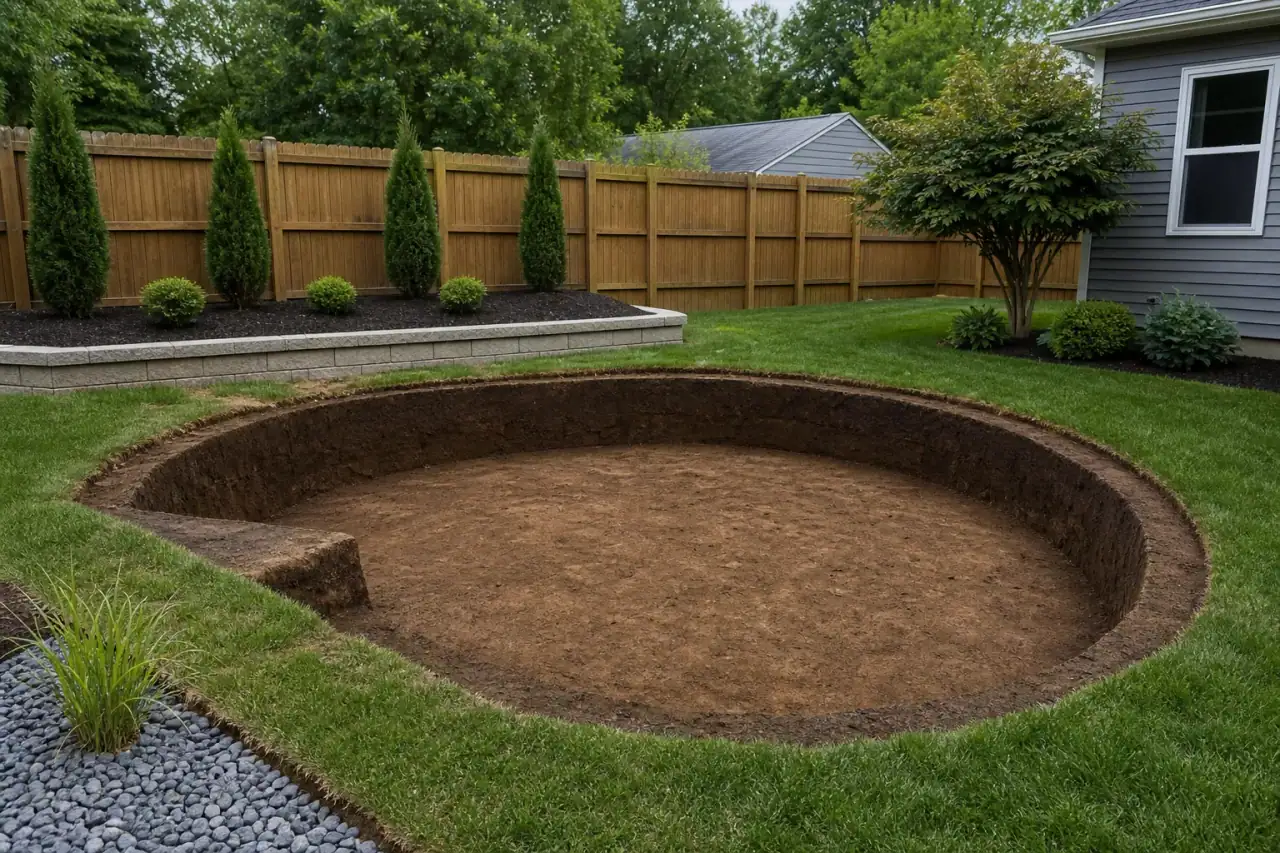
For many storage shed pads, less disturbance is better. A compact, well-defined work area reduces the amount of exposed soil and limits the chance of creating new drainage issues beyond the pad itself. Rather than reshaping a large section of the property, the better strategy is often to fit the pad carefully into the site, maintain as much established grade as practical, and stabilize transitions where the finished work meets existing ground. That same build-ready mindset appears in guidance on sequencing site work for stable results.
Choose the Right Pad Elevation and Edge Treatment
Elevation is a major factor in how storage shed pads in Sunnyside perform. Set the pad too low and water can move toward the shed. Build it too high without shaping the perimeter and runoff may drop off the edges, creating rills and undermining the surrounding grade. The finished elevation should allow the shed base to stay above nearby surface moisture while still blending into the lot with controlled, stable transitions.
Edge treatment is where many erosion issues begin. Abrupt edges, loose fill, or unprotected side slopes can break down over time, especially where runoff exits the pad area. A professional installation considers the width of the pad, the amount of cut and fill required, the compaction of imported material if used, and how the perimeter will resist washout. If the site also has utility or access considerations, reading this guide to site leveling before a build project can help clarify why stable transitions matter as much as the center of the pad.
Use Erosion Control as Part of the Pad Design
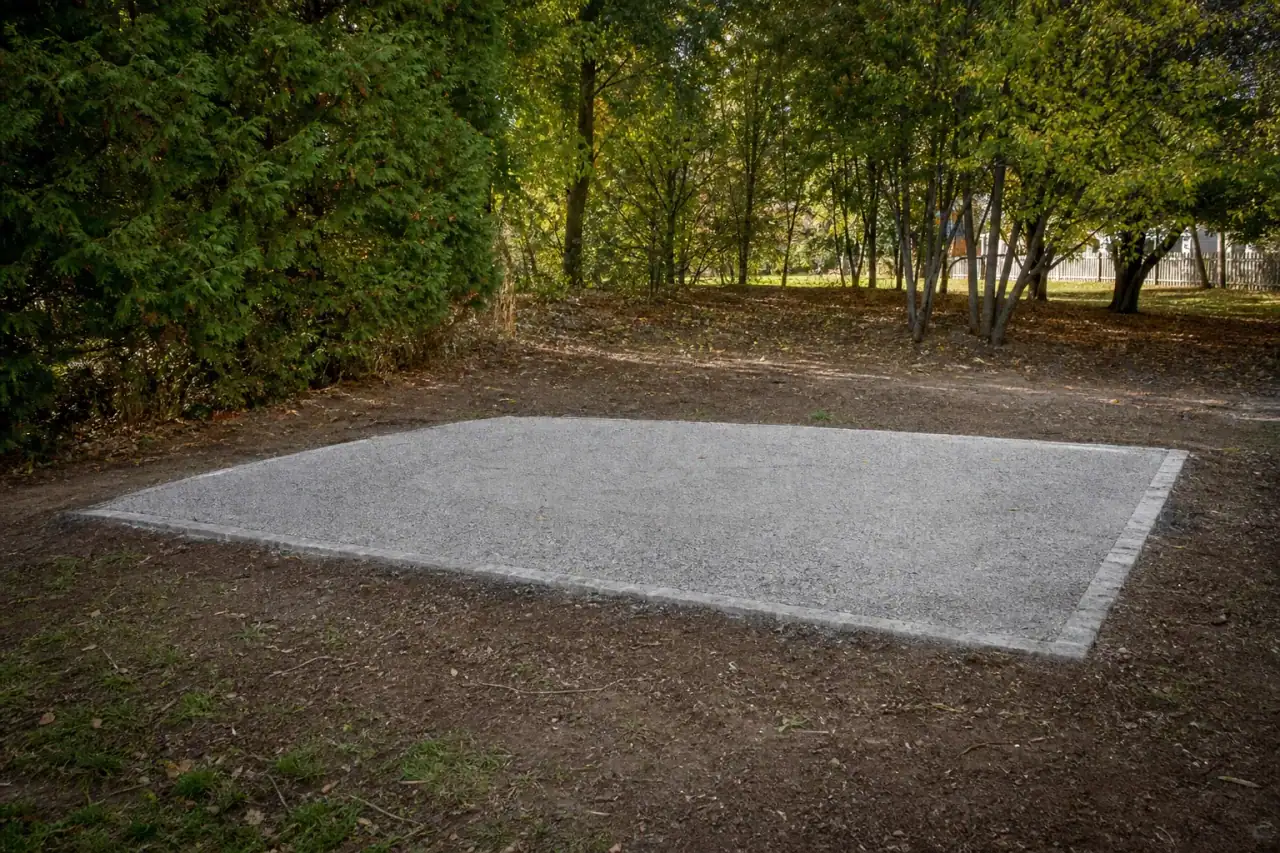
Erosion control should not be treated as a final add-on after storage shed pads in Sunnyside are built. It should be part of the design from the beginning. That can include preserving vegetation around the work area where appropriate, shaping the grade so runoff spreads instead of concentrates, and stabilizing bare soil as soon as finish grading is complete. The exact methods depend on the site, but the objective is always the same: keep water from gaining speed and carrying soil away from the new pad.
Properties with visible drainage concerns deserve special attention before excavation starts. If there are existing channels, soft ground, or signs of previous sediment movement, those conditions should influence where and how the pad is built. For related insight, review drainage and soil conditions to check before excavation and how improved site visibility helps excavation accuracy. The takeaway for storage shed pads is simple: water management and surface stability need to be addressed together, not separately.
- Confirm the best shed location based on drainage and usable access
- Establish pad elevation relative to surrounding grade
- Limit disturbance to the smallest practical work area
- Compact and shape the pad and perimeter for positive runoff
- Stabilize exposed soil promptly to reduce erosion risk
What Property Owners Should Expect From a Professional Site Review
A professional review for storage shed pads in Sunnyside should go beyond measuring the shed footprint. It should assess slope direction, water entry and exit points, soil behavior, access for installation, and whether the proposed location will stay functional over time. This is especially valuable for homeowners and business owners who want to avoid repeated maintenance, muddy conditions, or future regrading around the shed.
Working with an experienced earth works company helps ensure the pad is planned as part of the property, not as an isolated flat spot. The right approach balances excavation depth, fill needs, compaction, and runoff control so the finished result supports the shed without creating downstream problems. For storage shed pads in Sunnyside, that is the difference between a quick installation and a long-lasting one.
Conclusion
If you are planning storage shed pads in Sunnyside, the best results come from treating grading and erosion control as one coordinated job. A properly located, properly elevated, and properly stabilized pad improves usability while protecting drainage patterns and soil stability. For property owners who want a shed site that stays dependable season after season, professional planning for storage shed pads in Sunnyside is the smart place to start.
Source: stormwater runoff management best practices
Frequently asked questions
How do I know where to place a storage shed pad on my property?
The best location is usually the one that combines stable ground, practical access, and good drainage. A pad should sit where water can move away from the shed without concentrating along the edges. Slope, soil firmness, irrigation patterns, and nearby structures all matter. A professional site review can identify whether a seemingly convenient location may actually create runoff or erosion issues later.
Do storage shed pads always need grading even if the area looks level?
Not always extensive grading, but most sites benefit from some degree of shaping and compaction. Ground that appears level can still hold moisture, settle unevenly, or direct runoff toward the shed. Proper preparation creates a consistent base elevation and helps ensure water drains away from the finished pad instead of pooling around it.
What causes erosion around a storage shed pad after installation?
The most common causes are poor runoff control, overbuilt pad edges, loose or uncompacted fill, and too much exposed soil around the work area. If water is allowed to gather on one side of the pad or drop off an unprotected edge, it can begin cutting channels and moving soil. Good pad design includes stable transitions, controlled drainage, and prompt surface stabilization.