What you will learn
- Spot slope and runoff issues before they become costly fixes
- Understand how soil and grading affect drainage performance
- Plan access and staging to reduce delays during installation
- Prevent drainage changes that can impact foundations later
- Know what to review before scheduling drainage work
For property owners planning yard drainage solutions in West Richland, the condition of the ground before work starts matters more than many people realize. Sloped lots, uneven grades, shifting soil, and limited equipment access can all affect how water moves across a site and how efficiently a drainage plan can be installed. A careful early evaluation helps homeowners and local business owners understand what the property is doing today, what may change during construction, and how to avoid delays, change orders, and drainage problems that show up after the project is finished.
Why Early Site Review Matters on Sloped Ground
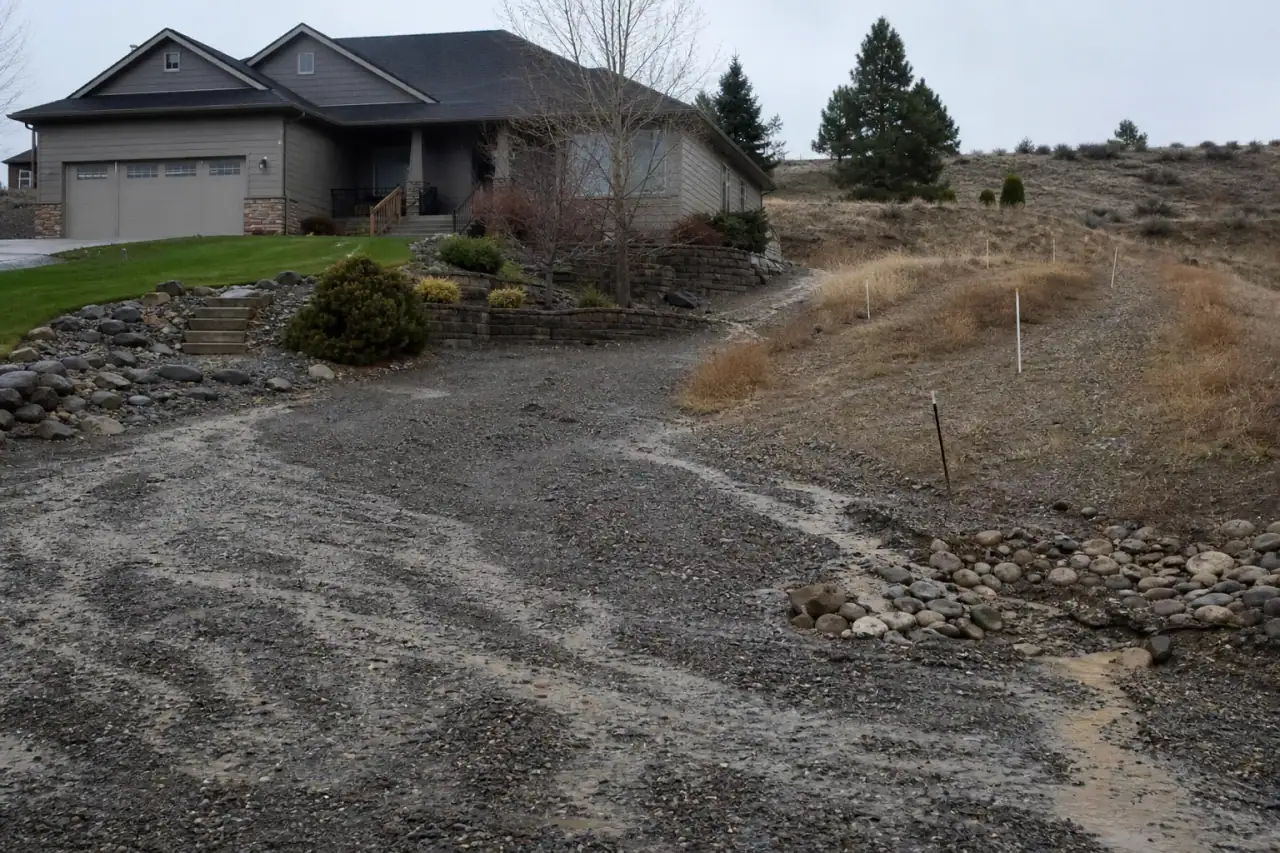
On uneven property, water rarely behaves in a simple way. Surface runoff may speed up down a slope, collect in low spots, cut channels along the edge of a driveway, or settle near a future building area. Before scheduling yard drainage solutions in West Richland, it is important to identify where water starts, where it concentrates, and where it can be redirected safely. Many of the warning signs are subtle at first, which is why it helps to understand the common indicators covered in this guide to signs your property needs professional grading and drainage work.
Early review is also about preventing decisions that create bigger problems later. If rough grading, downspout discharge, driveway runoff, or compacted areas are ignored, a drainage system may need to be redesigned after installation begins. That is expensive and frustrating. A property walk and drainage assessment can clarify whether the site needs shallow swales, subsurface collection, outlet planning, or grade adjustments before the work sequence is set.
Check How the Slope Actually Drains, Not Just How It Looks
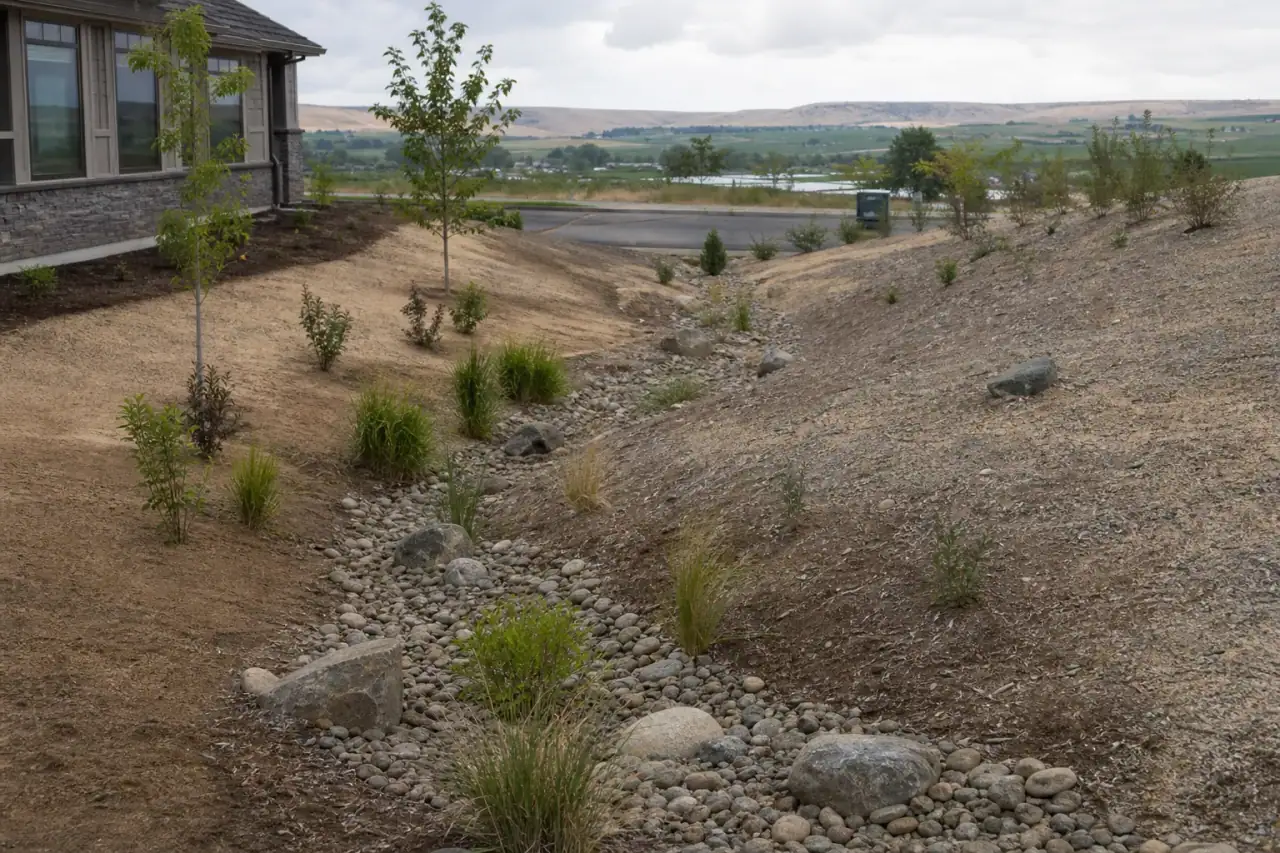
A lot can look manageable in dry weather and still have major runoff issues during heavy irrigation or seasonal rain. In West Richland, sloped and semi-rural properties often have multiple drainage patterns at once: sheet flow across open ground, concentrated flow from roofs and hard surfaces, and pooling where rough grades flatten out. Effective yard drainage solutions depend on mapping these patterns instead of assuming water will follow the most obvious downhill direction.
- High points that shed water toward structures or activity areas
- Low pockets where water stands after rain or irrigation
- Ruts or eroded channels that show repeated runoff paths
- Driveway edges where water jumps the grade and cuts across the yard
- Fence lines, berms, or landscape edges that trap water
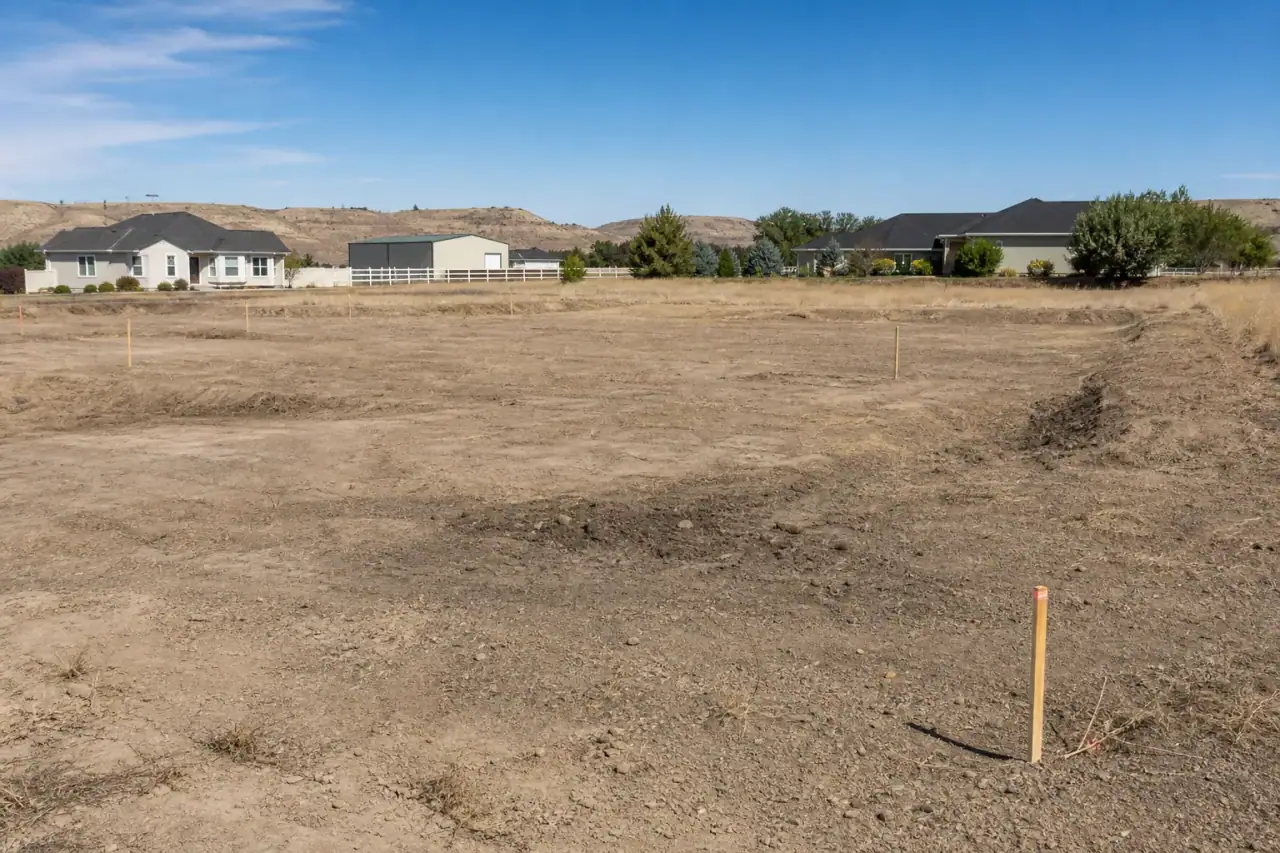
This is one reason rough grading and drainage planning should be considered together. If the existing shape of the property is working against water control, the best drainage result may involve adjusting grades before final components are installed. Property owners often find it useful to compare their site conditions with broader lot-preparation concerns discussed in this article on preparing a raw lot for building, especially when the drainage work is part of a larger property improvement plan.
Evaluate Soil Movement and Stability Before Drainage Work Begins
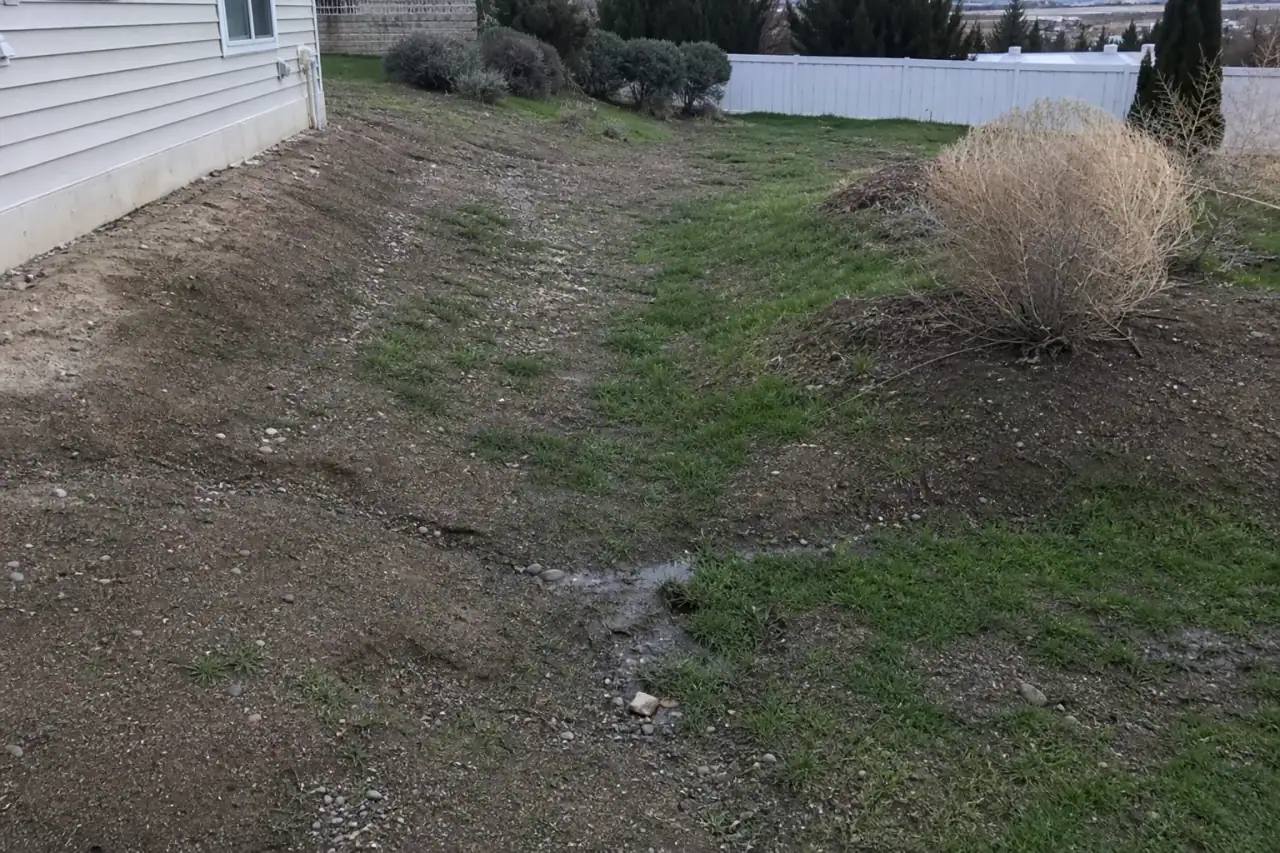
Slope is only part of the story. Soil behavior also affects the success of yard drainage solutions in West Richland. Loose fill, previously disturbed ground, soft saturated areas, and soil that shifts on a grade can all change how water infiltrates and where drainage components should be placed. If the ground settles after installation, surface water may start bypassing the system or collecting where it was not expected.
Watch for clues such as cracking soil, slumping edges, exposed roots, small washouts, or depressions that suggest prior movement. These conditions do not always stop a project, but they do influence planning. In some cases, the drainage layout must account for future settlement or avoid areas that are likely to move under runoff pressure. Similar site-readiness issues are often visible before construction starts, as explained in this overview of signs a property needs site leveling before building.
Review Access for Equipment, Materials, and Spoil Handling
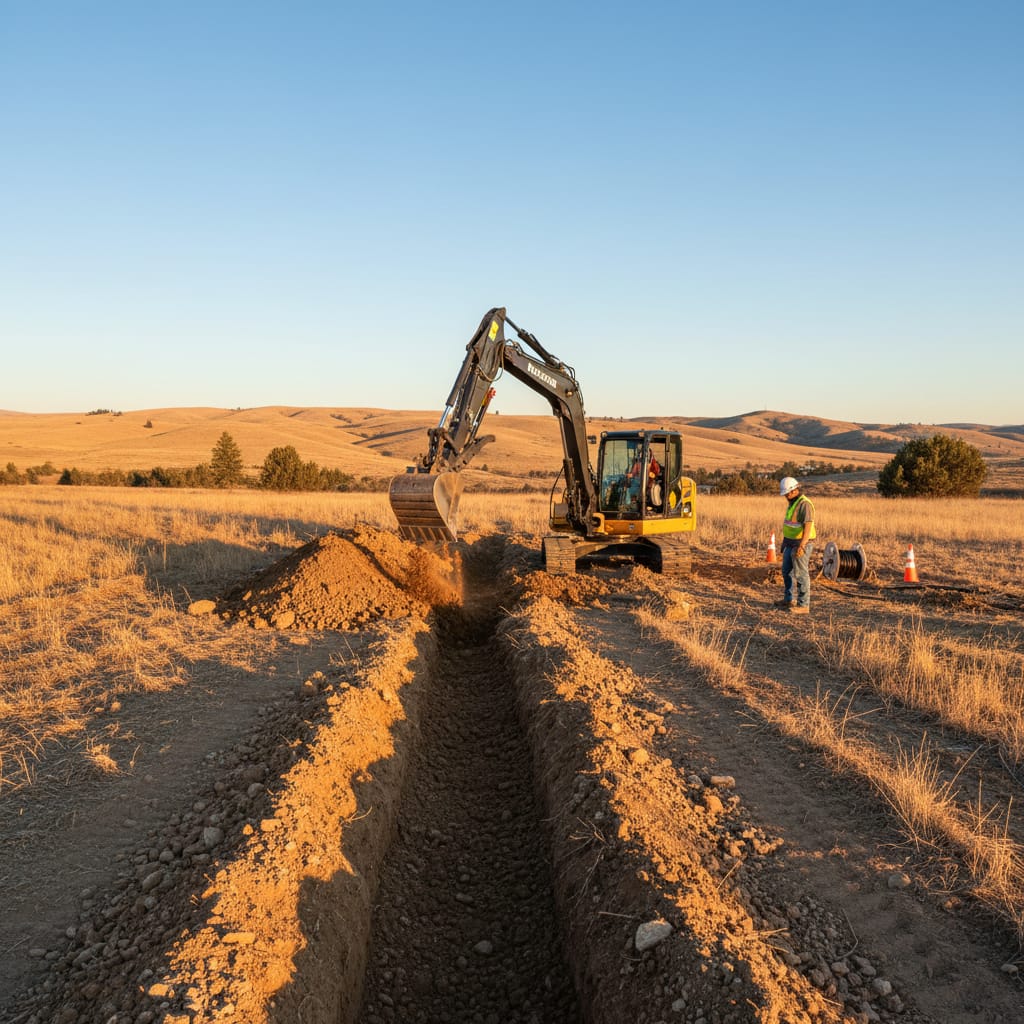
Even when the drainage design is straightforward, access can complicate the schedule. Narrow side yards, fences, existing landscaping, overhead obstructions, and steep approach angles may limit how equipment reaches the work area. On larger residential and mixed-use properties in West Richland, staging space also matters. Crews need room for equipment movement, material placement, and soil handling without creating unnecessary disruption or damaging areas outside the work zone.
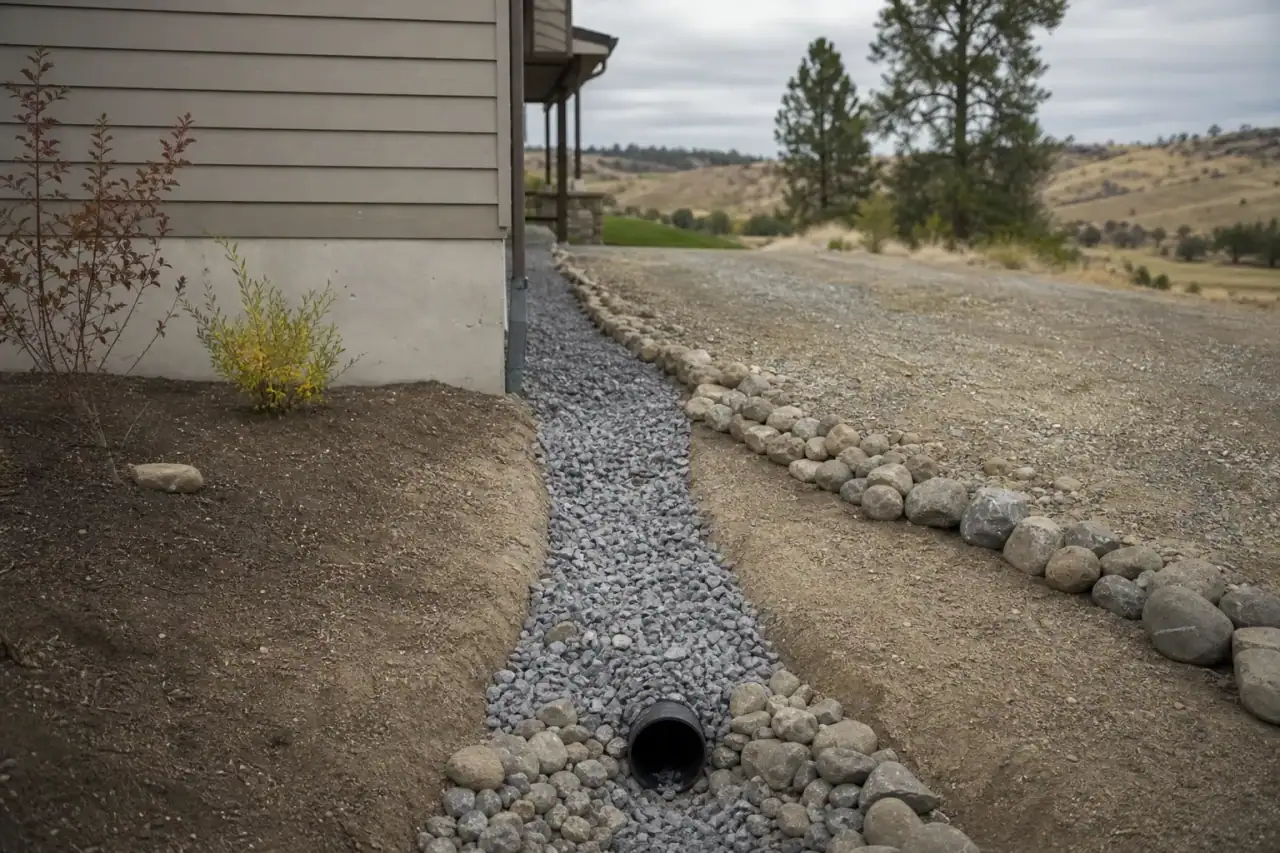
Property owners can help by identifying gate widths, utility locations, retaining edges, irrigation lines, and any areas that must remain protected. If access is tight, the work sequence may need to change, or smaller equipment may be required. Those details are easier to resolve before the calendar is locked in. For drainage-specific planning options, many owners benefit from reading this comparison of French drains, swales, and culverts, which helps explain why site access can influence the best solution.
Understand How Rough Grading Affects Final Water Flow
One of the most common causes of drainage trouble is assuming rough grading is close enough. Small elevation differences can create major changes in water direction, especially on long or irregular slopes. If rough grading leaves hidden low spots, flat transitions, or abrupt edges, water may stall out instead of reaching the intended collection point. That can reduce the effectiveness of otherwise well-planned yard drainage solutions in West Richland.
Before scheduling work, ask whether the existing grade is final enough for drainage installation or whether additional shaping should happen first. This matters around foundations, shop pads, parking areas, and side yards where runoff can become concentrated quickly. For a broader understanding of recurring property water issues, see this article on common drainage problems on rural properties. It highlights how overlooked grade conditions often lead to standing water and erosion.
Plan for Water Discharge, Not Just Water Collection
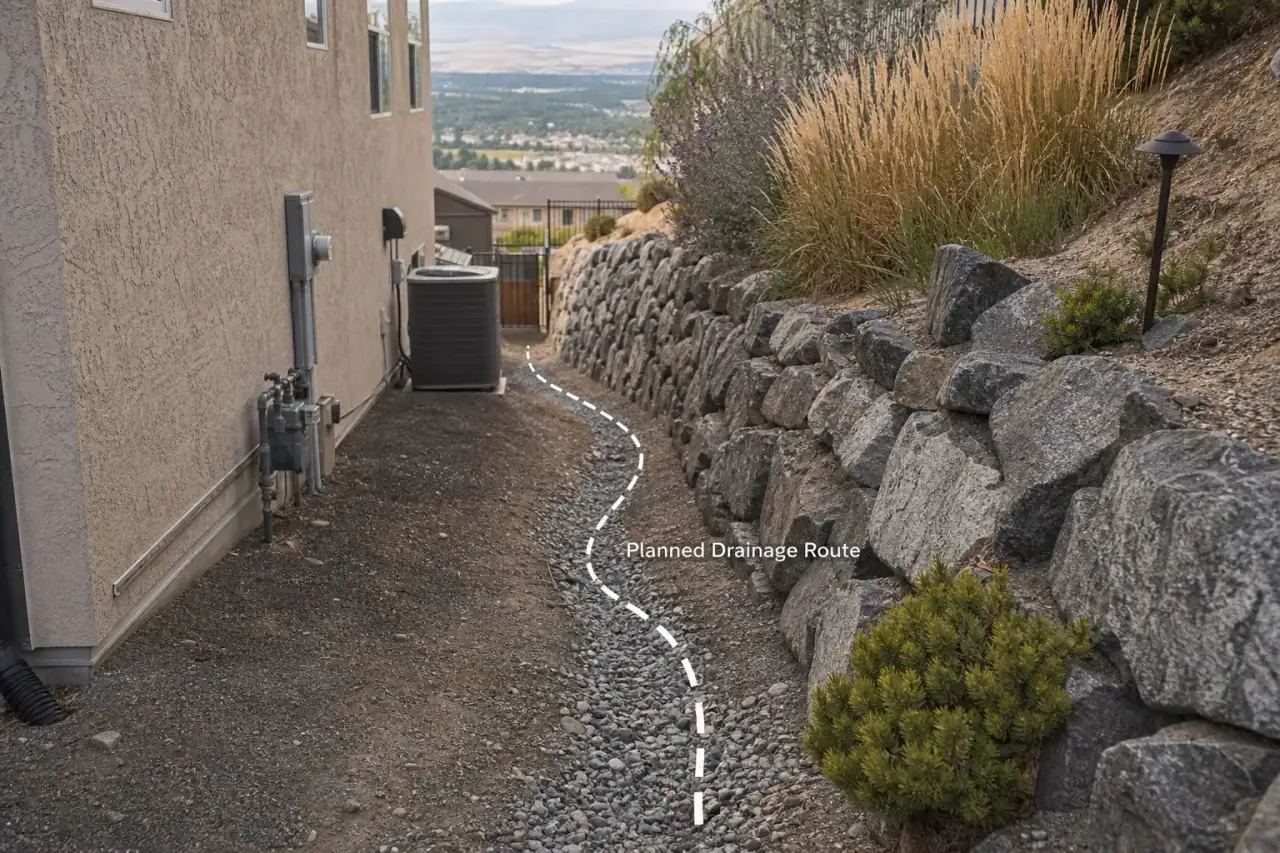
Collecting water is only half of a drainage plan. The other half is making sure the water has a suitable place to go. On sloped sites, poorly planned discharge can send runoff into another problem area, create erosion downslope, or move water too close to a structure. Yard drainage solutions in West Richland should always consider the full route of water from the source to the outlet.
- Where collected water will discharge safely
- Whether the outlet area can handle concentrated flow
- How runoff may affect neighboring grade transitions
- Whether erosion control is needed at the discharge point
- How future landscaping could change the drainage path
This is especially important on lots where future improvements may alter runoff volumes. A new roofline, hardscape, or outbuilding can increase concentrated water and change how the site drains. Reviewing drainage now with future property use in mind helps avoid piecemeal fixes later. The practical access-and-runoff relationship is also illustrated in this post about how drainage supports access and site function, even though every property needs its own layout.
Questions to Ask Before Scheduling Yard Drainage Solutions
If you want a smoother project, go into the scheduling process with clear site information. That helps define scope early and reduces the chance of mid-project adjustments. For homeowners and business owners in West Richland, a few practical questions can make the planning stage far more productive.
- Where does water collect now, and under what conditions?
- Has any part of the site been filled, regraded, or disturbed before?
- Is the current slope directing water toward structures or access routes?
- Can equipment reach the work area without major obstacles?
- Is rough grading complete enough to support final drainage installation?
- Where will collected water discharge once the system is in place?
These answers help create realistic expectations about timing, layout, and site preparation. They also reduce the chance that hidden conditions will interrupt progress. If your property has visible runoff, muddy low areas, or recurring erosion, it may already be showing the same early warnings described in this drainage and grading warning-sign guide. Addressing them before work begins is usually far easier than correcting them after water has already damaged finished areas.
Conclusion
Before scheduling yard drainage solutions in West Richland, property owners should look beyond the obvious wet spot and evaluate the whole site: slope, soil movement, drainage patterns, access, rough grading, and discharge. That early review is what helps prevent delays, reduce change orders, and avoid water problems that can affect the property long after the work is complete. When yard drainage solutions in West Richland are planned around real site conditions instead of assumptions, the result is a more reliable and efficient outcome.
Source: EPA guidance on managing stormwater runoff
Frequently asked questions
How do I know if my West Richland property needs yard drainage solutions?
Common signs include standing water, soggy lawn areas, erosion channels, runoff crossing driveways or walkways, and water collecting near structures. On sloped property, even minor grading issues can create repeated drainage trouble, so a site review helps identify the true source and the best correction.
Can yard drainage solutions be installed before final grading is complete?
Sometimes, but it depends on how much the final grade will change. If rough grading is still likely to shift water direction or create new low spots, installing drainage too early can lead to rework. It is usually better to confirm the intended finished grades first so the drainage system matches the way the site will actually shed water.
Why does slope matter so much for yard drainage solutions?
Slope controls how fast water moves, where it concentrates, and whether it infiltrates or erodes the surface. On uneven ground, water can bypass collection areas, cut channels, or pool in hidden depressions. Understanding the slope before installation helps ensure the system captures and discharges water where it should.