What you will learn
- How drainage supports access on working agricultural ground
- Why wet areas and overgrowth often point to drainage issues
- What good drainage planning does for seasonal operations
- How drainage improvements help protect long-term land value
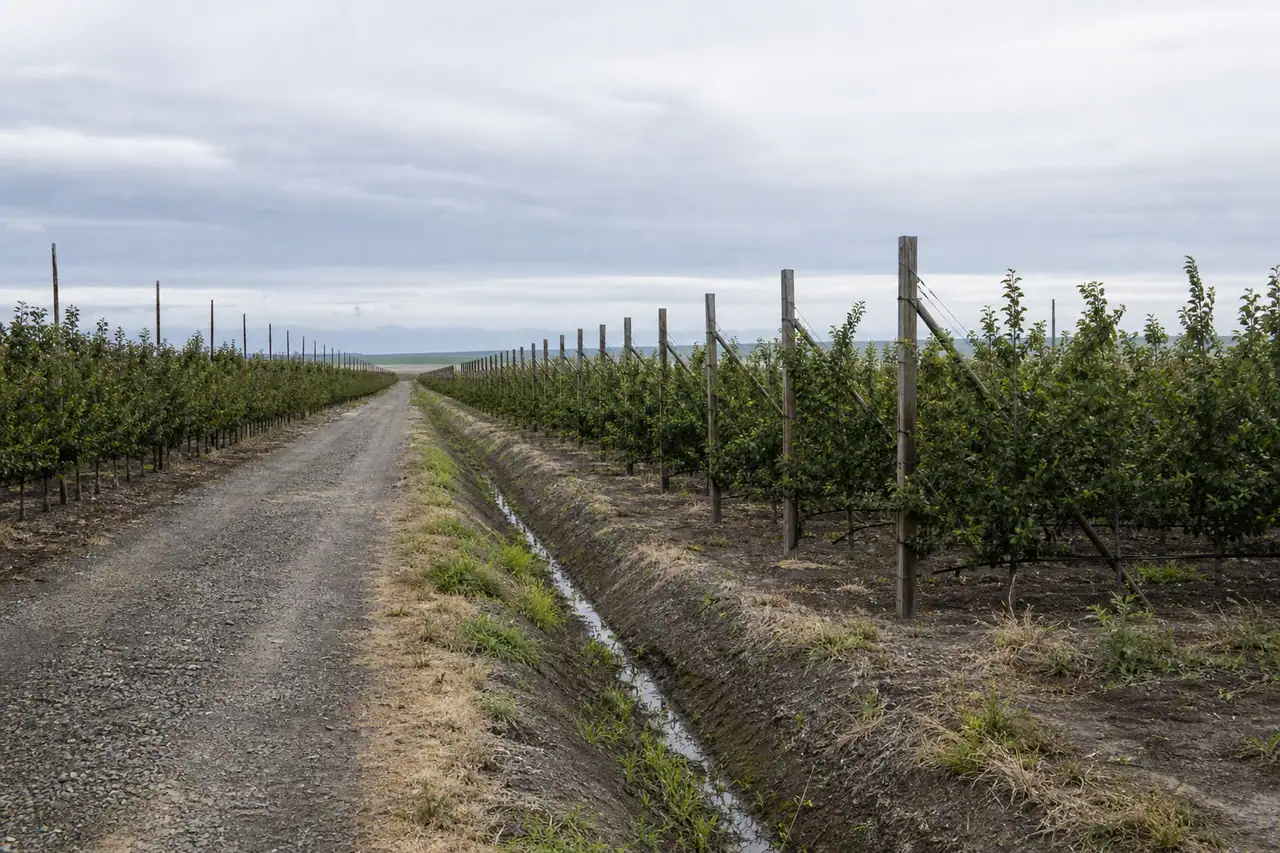
For agricultural properties, productive ground depends on more than planting and harvest timing. Farm drainage in Othello plays a central role in keeping rows accessible, reducing standing water, limiting overgrowth pressure, and supporting the day-to-day movement that seasonal operations require. Whether a property owner is managing a small acreage or a larger working parcel, drainage work is one of the most practical ways to protect usable ground conditions and avoid recurring access problems.
When water does not move correctly across a property, the results show up quickly: soft travel lanes, muddy low spots, pooling near rows, and ground that becomes difficult to use after irrigation or weather changes. Many owners first notice these patterns as nuisance issues, but they often indicate a broader site problem. If those symptoms sound familiar, it helps to review common signs your property needs professional grading and drainage work so you can address the cause instead of repeatedly dealing with the surface effects.
Why Farm Drainage Matters on Agricultural Ground
On working land, drainage is not just about removing water. It is about creating reliable conditions for equipment access, maintaining stable travel routes, preserving row usability, and reducing interruptions during key parts of the season. Well-planned farm drainage in Othello helps direct water away from problem areas so the ground can recover faster and remain more dependable for regular use.
That matters because agricultural properties often include a mix of compacted lanes, cultivated areas, low-lying sections, and edges where vegetation can thicken when moisture stays trapped. Over time, poor drainage contributes to rutting, uneven surfaces, and persistent wet ground that limits where equipment can safely travel. In many cases, drainage planning works hand in hand with broader land-use decisions, similar to the site-readiness principles discussed in this guide to preparing a raw lot for building, where stable, workable ground is the foundation for everything that follows.
- Reduces standing water in low areas and along access lanes
- Helps equipment move more safely and efficiently
- Supports firmer ground conditions after irrigation or rainfall
- Limits moisture-related overgrowth in neglected sections
- Protects the long-term usability of the property
How Drainage Supports Access and Seasonal Operations
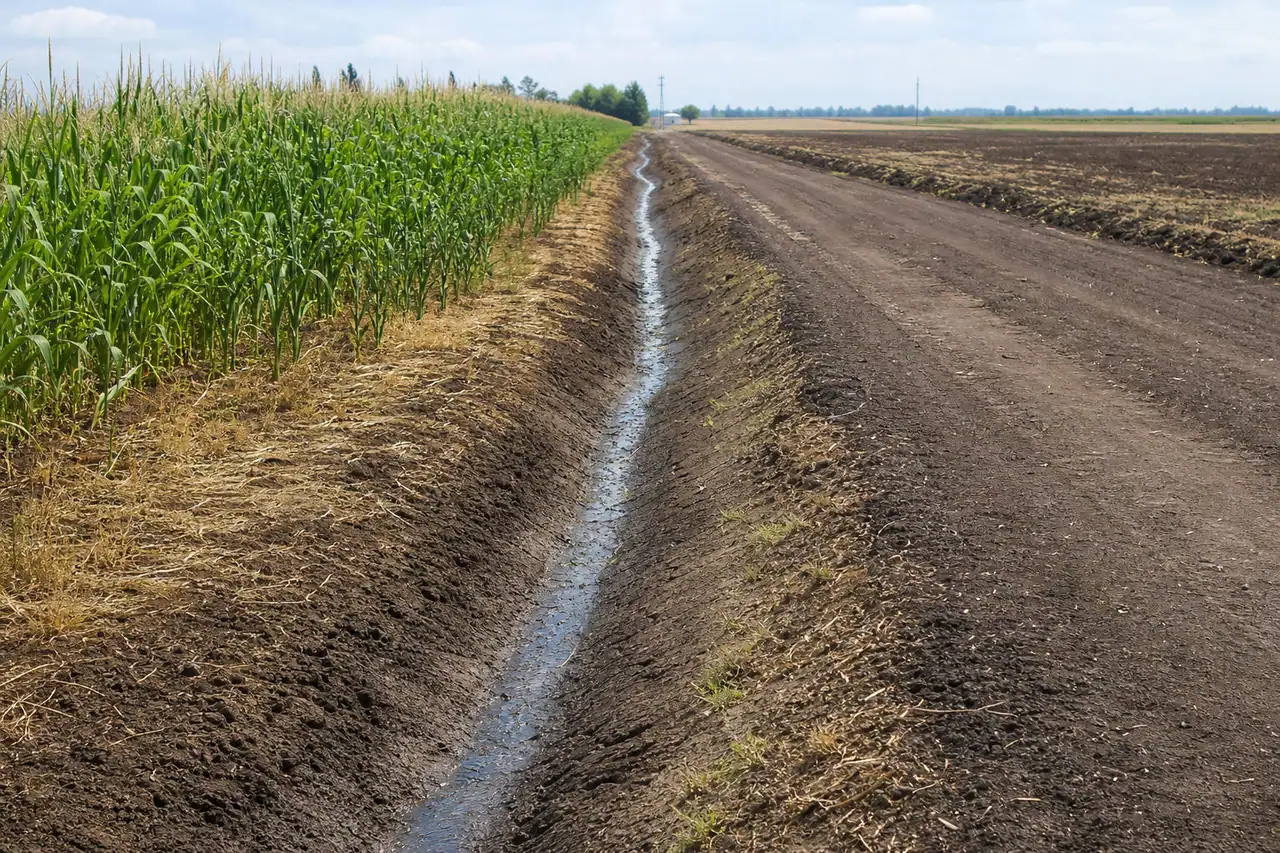
Access is one of the most immediate benefits of effective drainage. On agricultural acreage, it does not take much trapped water to make a lane slippery, soften a turn radius, or leave repeated tire damage in the same trouble spots. Once that pattern starts, each pass can make the surface worse. Professional farm drainage in Othello focuses on how water moves across the site so those access points stay more dependable through changing conditions.
This is especially important where rows, perimeter routes, and work zones need to remain usable across the season. If edges become overgrown because moisture lingers, visibility and maneuverability can decline as well. Property owners weighing where drainage fits into overall acreage upkeep may also benefit from reading the difference between land clearing and selective clearing, since unmanaged vegetation and poor water movement often reinforce each other.
Common Ground Conditions That Point to Drainage Problems
- Water pooling in the same low spots after irrigation
- Soft or muddy travel lanes that do not firm up quickly
- Ruts forming where equipment repeatedly passes
- Overgrowth becoming dense in wetter perimeter areas
- Uneven drying patterns that disrupt normal use
These conditions do more than create inconvenience. They can slow routine work, reduce confidence in where equipment can go, and make it harder to maintain consistent ground conditions from one section of the property to another. A drainage-focused approach identifies where water is collecting, where it should be redirected, and how the site can function more predictably once those patterns are corrected.
Managing Moisture, Overgrowth, and Fire Exposure
Although drainage is often discussed in terms of mud and standing water, it also affects vegetation pressure. Areas that stay damp longer can encourage thick growth along fence lines, row edges, and less-traveled sections of a property. That kind of buildup can narrow access and complicate regular maintenance. Strategic farm drainage in Othello helps reduce the wet conditions that allow those problem areas to persist.
Drainage also supports broader property protection by helping owners maintain cleaner, more workable ground around active agricultural areas. Moisture management alone is not the full answer to reducing fire exposure, but it contributes to better site control by keeping access routes more reliable and limiting neglected patches where vegetation can accumulate unchecked. For a related perspective on how land work supports defensible, manageable acreage, see why fire control starts with strategic land work around homes, orchards, and vineyards.
What a Professional Drainage Approach Looks Like
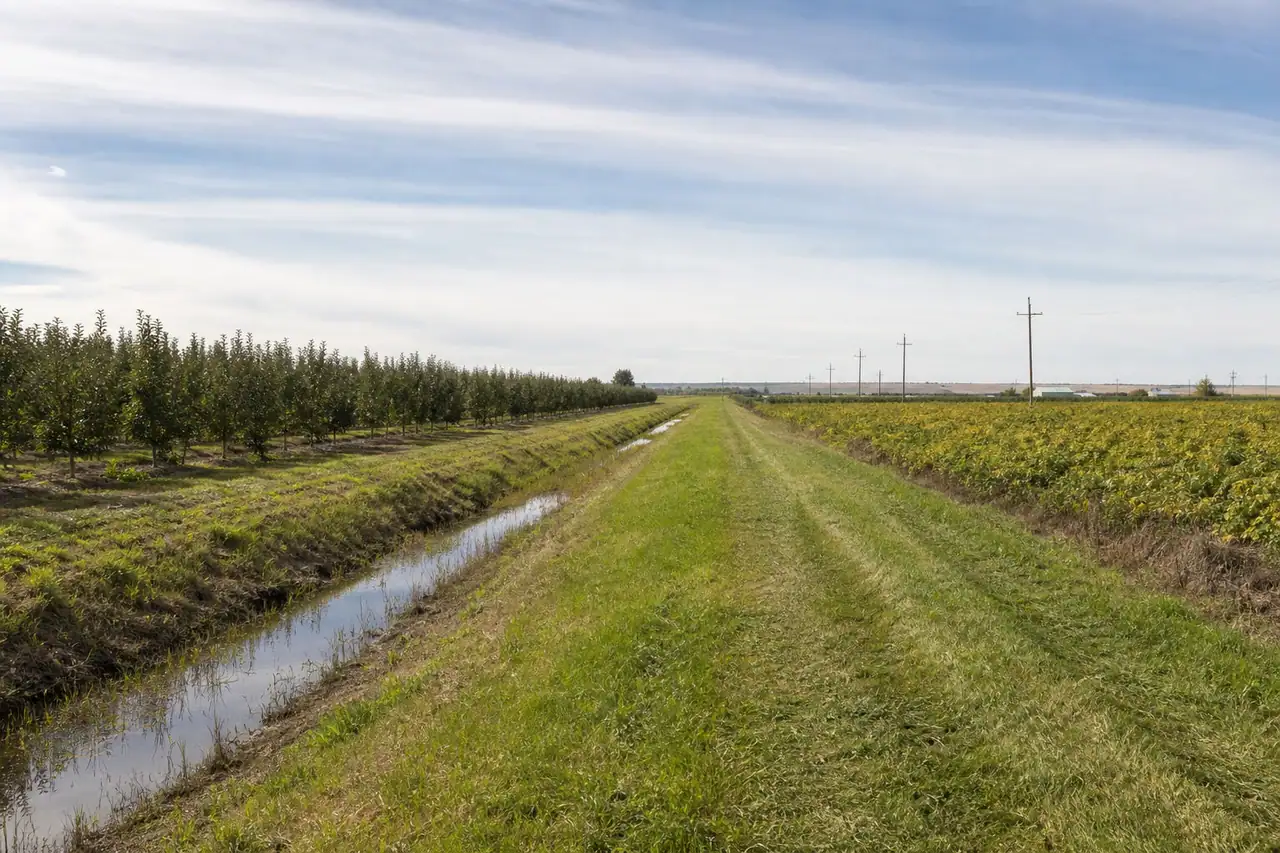
Effective drainage work starts with understanding the property as a whole. That includes grade changes, natural low points, traffic patterns, irrigation influence, and where access matters most during the year. Instead of applying a one-size-fits-all fix, professional drainage planning looks at how the land is actually used and where water is interfering with that use.
For agricultural properties, that often means prioritizing routes and zones that need to stay workable, then improving how water leaves or bypasses those areas. In some cases, owners are already thinking about broader maintenance timing and seasonal field conditions. For context on that planning mindset, this article on the right time for vineyard and orchard maintenance shows why timing matters when the goal is to keep acreage functioning smoothly throughout the year.
Another advantage of handling drainage proactively is cost control over the long term. Repeated surface repairs, avoidable rutting, and lost usability in trouble spots can add up. While every property is different, owners evaluating site work often want a better sense of what affects project scope. A useful companion resource is this breakdown of what goes into excavation costs for rural and acreage projects, which helps explain why site conditions and access needs matter so much in planning land work.
Choosing Farm Drainage in Othello for Long-Term Property Performance
For homeowners and local business owners with agricultural acreage, the goal is not simply to dry out one wet spot. The goal is to create more dependable ground conditions across the property so access improves, maintenance becomes easier, and seasonal operations face fewer disruptions. That is why farm drainage in Othello is such a valuable investment for landowners who want their property to stay usable and better controlled over time.
WHITE ARROW LAND WORKS approaches drainage as practical acreage management: identify how water is affecting the site, correct the patterns that limit use, and support a property that works better in real conditions. If your land has recurring low spots, soft lanes, or moisture-related overgrowth, professional farm drainage in Othello can help restore access, improve drainage performance, and support safer, more efficient seasonal use.
Source: USDA Natural Resources Conservation Service
Frequently asked questions
How do I know if my property needs farm drainage in Othello?
Common signs include standing water, muddy or soft access lanes, repeated rutting, slow drying after irrigation, and low areas where vegetation becomes hard to manage. If the same sections of your property create access or maintenance problems again and again, a drainage evaluation is usually the right next step.
Can farm drainage help improve access for seasonal equipment use?
Yes. One of the main benefits of farm drainage is improving how the ground handles water so travel routes stay firmer and more reliable. Better drainage can reduce soft spots, limit recurring surface damage, and make it easier to move equipment through key work areas during the season.
Why is drainage important for long-term agricultural property maintenance?
Poor drainage often leads to repeated surface problems, moisture-related overgrowth, and ground conditions that become harder to manage over time. Addressing drainage helps protect usable acreage, supports more consistent maintenance, and keeps the property functioning better year after year.