What you will learn
- Learn why trail routing should follow terrain, not just convenience
- See how land leveling helps reduce washouts and soft spots
- Understand the drainage factors that affect trail lifespan
- Know what makes recreational trails easier to maintain over time
- Find out when professional planning can prevent costly rework
Cutting a new recreational trail may seem as simple as picking a route and clearing a path, but durable trail systems depend on much more than access alone. For property owners in Grandview, land leveling plays a central role in how UTV, ATV, horse, and walking trails perform over time. Slope, drainage flow, soil stability, and seasonal water movement all affect whether a trail stays usable or turns into a recurring maintenance problem. When trail layout is shaped with the land instead of forced across it, the result is safer travel, better surface performance, and fewer repairs.
Professional planning matters because every property has its own constraints. A route that looks fine in dry weather may collect runoff after a storm, rut under repeated traffic, or erode where grades change too abruptly. That is why many owners start by learning the basics of grade and drainage; our article on signs your property needs professional grading and drainage work explains the warning signs that often show up before a project begins. In Grandview, land leveling helps establish smoother transitions, proper pitch, and more reliable water movement so trails stay functional instead of becoming problem areas.
A Good Trail Starts With the Shape of the Land
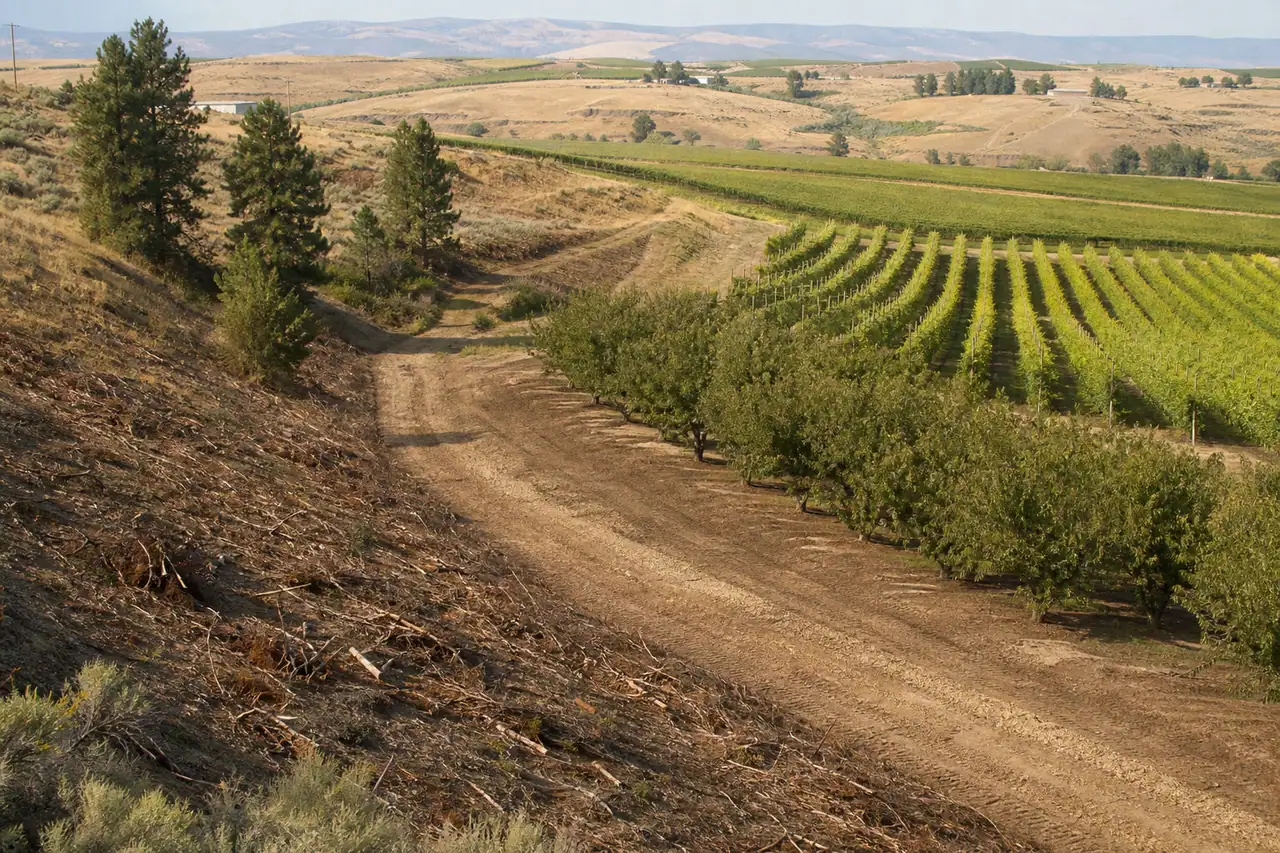
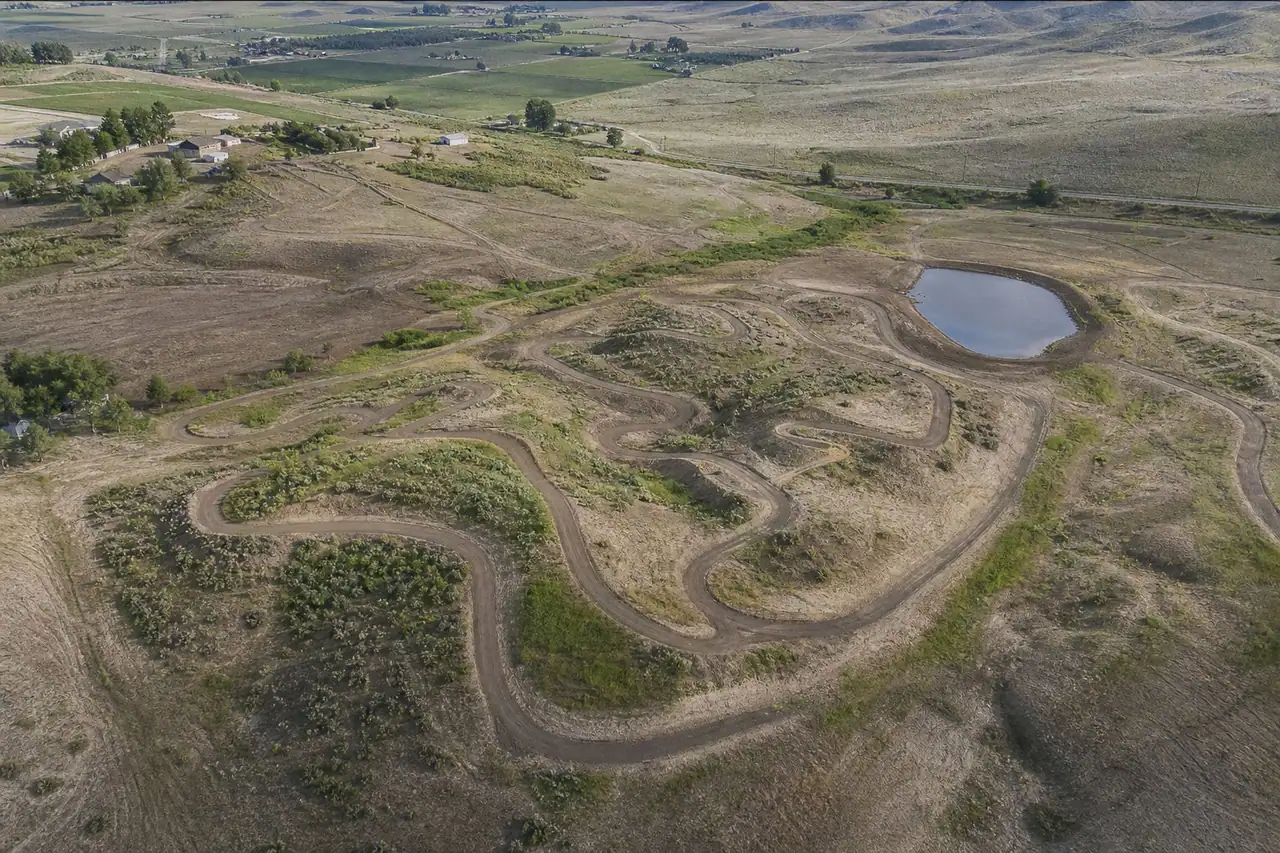
The most successful trail routes respect natural contours. Instead of sending traffic straight up or down a slope, a well-shaped alignment works with existing elevation changes and avoids forcing water to run directly along the trail surface. This is where land leveling adds real value. It can moderate uneven areas, soften abrupt grade breaks, and create a more controlled path for both vehicles and foot traffic. On Grandview properties, that often means balancing recreation goals with practical site conditions so the trail fits how the land actually behaves.
Trail planning also benefits from thinking beyond the path itself. Access points, turning areas, and connections to open spaces all influence how the route should be shaped. If a property is still being organized for broader use, it can help to review related site-preparation concepts such as those covered in how to prepare a raw lot for building. Even though recreational trail work has different goals, the same principle applies: proper groundwork reduces future limitations and creates a more usable property layout.
- Follow natural contours where possible
- Avoid steep fall-line routes that channel water
- Plan for turning radius and safe visibility
- Shape transitions to reduce jolts, rutting, and edge breakdown
Drainage Is Often the Difference Between a Lasting Trail and a Constant Repair Job
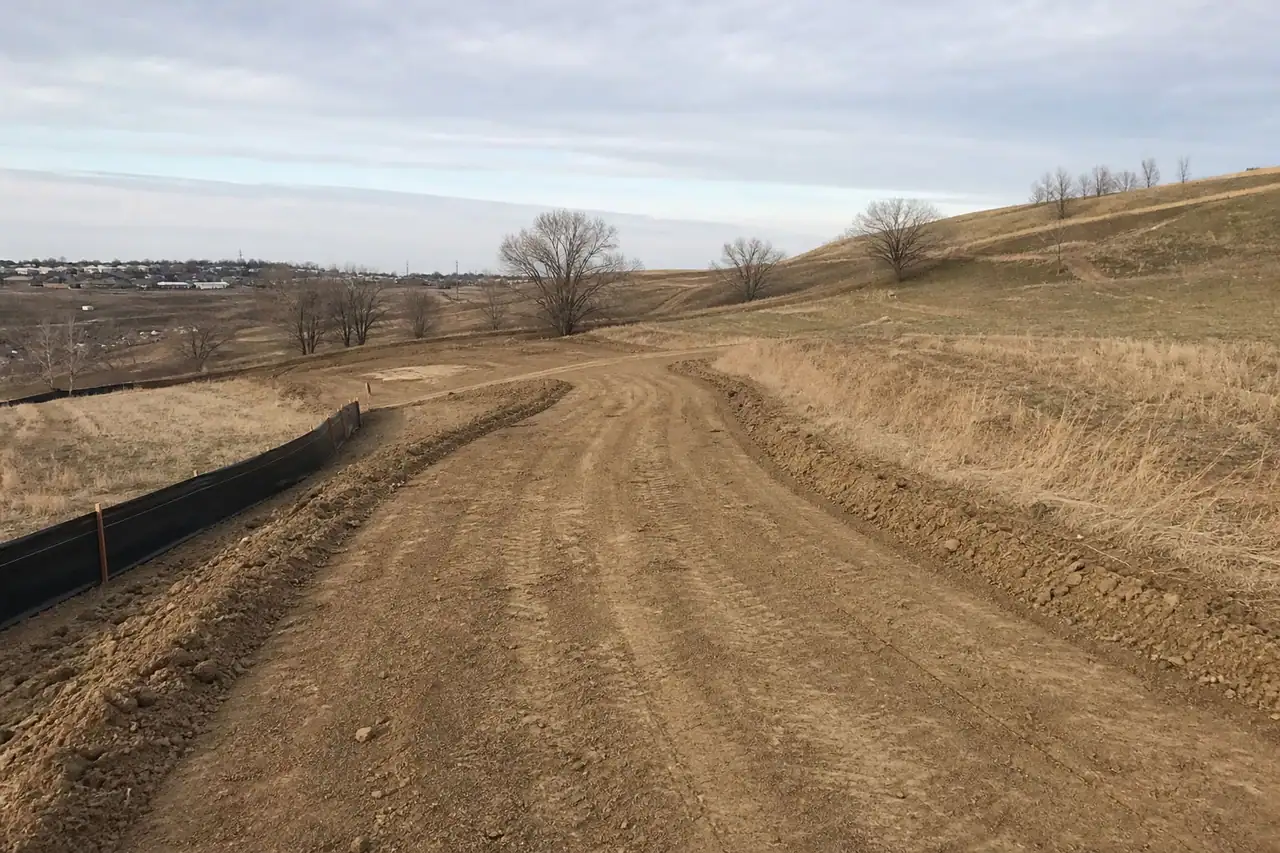
Water is one of the biggest reasons trails fail. When runoff crosses the route without a plan, it can carve channels, soften the base, and leave standing water in low sections. When runoff gets trapped on the trail itself, repeated use compounds the damage quickly. Land leveling in Grandview helps direct water away from the travel surface by establishing the right slope, improving low spots, and reducing areas where water naturally pools. This is not just about appearance; it is about preserving the integrity of the route.
Drainage planning should account for more than a single storm. Seasonal patterns, adjacent grades, compacted soil, and the way water enters and exits the corridor all matter. Property owners who have noticed soggy areas or recurring washouts elsewhere on their land may already be seeing clues that affect trail placement too. For more insight, see what goes into excavation costs for rural and acreage projects, which highlights how site conditions and material movement influence project scope. In many cases, a little shaping up front can prevent major corrective work later.
Erosion Control Should Be Built Into the Layout, Not Added After Damage Appears
Once a trail starts eroding, repairs often become repetitive. Loose soil moves downhill, edges collapse, and users begin creating alternate lines to avoid rough spots. That widens the disturbed area and accelerates wear. Land leveling helps reduce these issues by creating a stable route with manageable grades and smoother drainage behavior from the start. For Grandview landowners, that means trail planning should focus on where water will go, how traffic will affect the surface, and whether the route crosses soils that are more likely to break down under use.
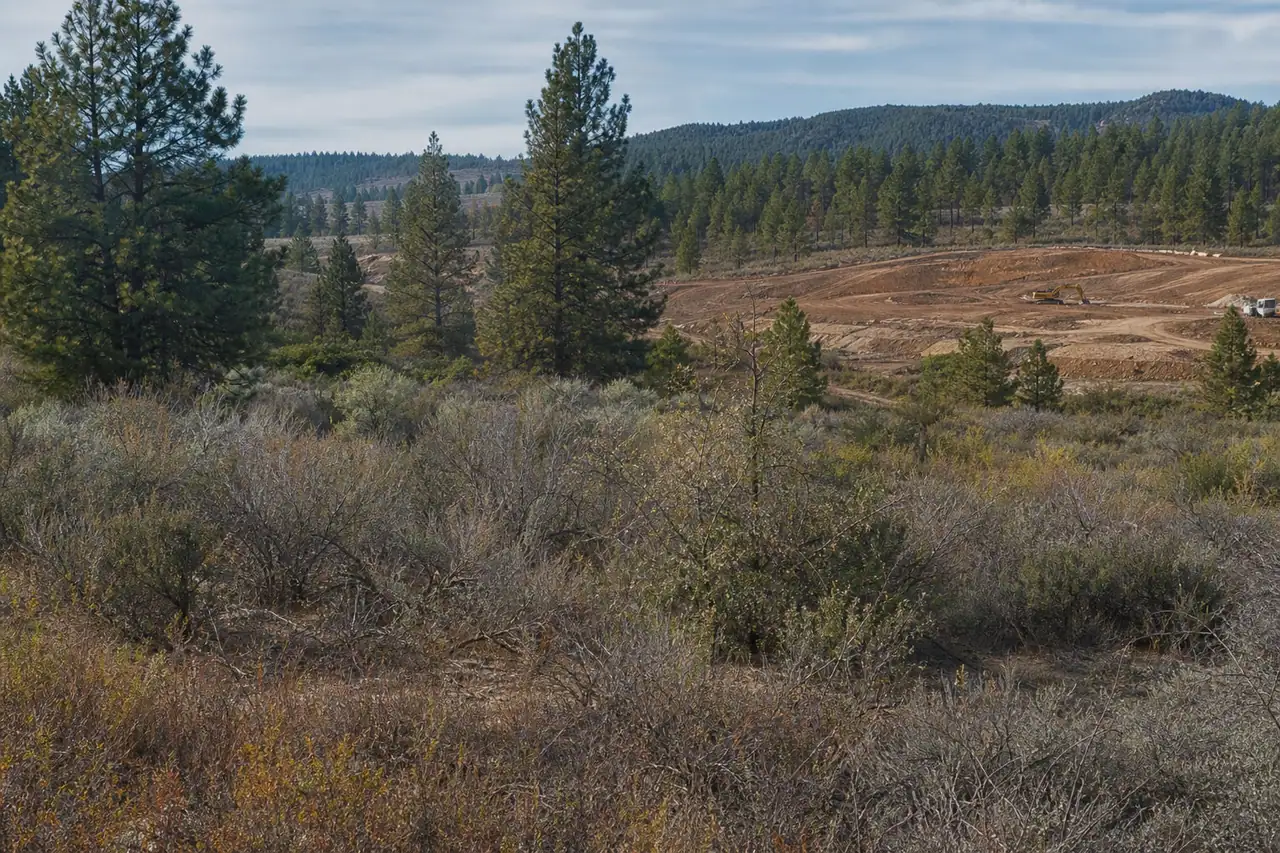
Another overlooked factor is corridor width and how much disturbance is really necessary. Recreational access does not always require broad, aggressively altered paths. In some cases, preserving more of the surrounding ground cover supports better stability and less erosion along trail edges. Our post on land clearing vs selective clearing discusses how different approaches can affect long-term land use. For trails, the lesson is simple: thoughtful shaping and limited disturbance often perform better than overcutting a route and trying to fix it later.
Different Trail Uses Still Depend on the Same Ground Fundamentals
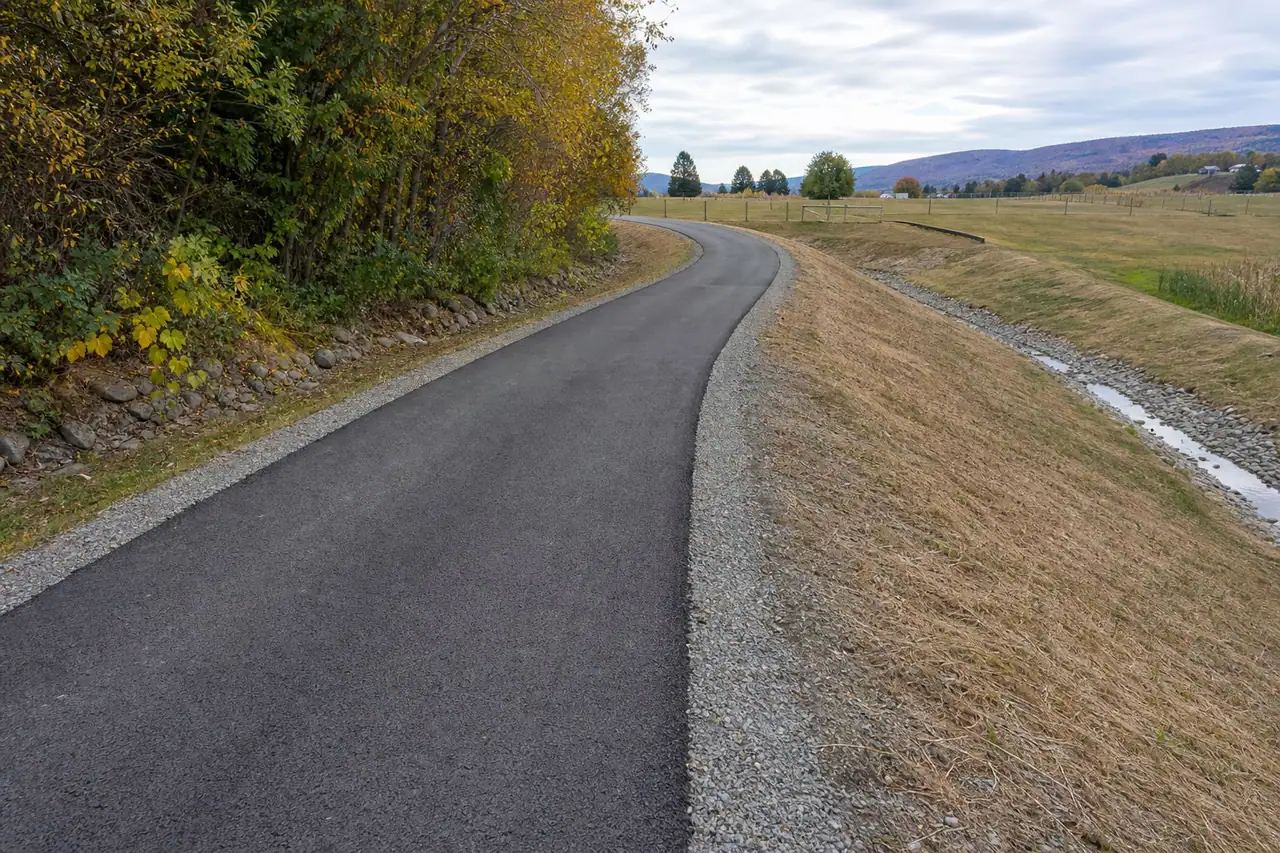
UTV and ATV traffic place repeated stress on surfaces, especially in corners, climbs, and braking zones. Horse trails need predictable footing and gentle transitions that reduce slipping and uneven wear. Walking trails benefit from smoother grades, better drainage, and fewer abrupt changes that become hazards in wet conditions. While each use has its own preferences, all of them rely on the same foundation: a route shaped for stability, drainage, and manageable maintenance. That is why land leveling remains so important for recreational trail development in Grandview.
Property owners sometimes focus first on where they want the trail to go and only later consider how it will hold up. A better approach is to ask how the route will behave after repeated use and changing weather. Similar long-range thinking shows up in broader land management topics, including how ground maintenance supports access and drainage and why strategic land work around homes and acreage matters. The common thread is that site shaping should support the land's function over time, not just create immediate access.
Long-Term Maintenance Should Influence the Original Design
A trail is never just a one-time cut through the property. It will need periodic attention, especially where traffic concentrates or weather changes surface conditions. The question is whether that maintenance stays minor or becomes a repeating expense in time and material. Professional land leveling in Grandview helps owners reduce future upkeep by creating better runoff patterns, smoother grades, and more resilient travel surfaces from the beginning. That kind of preparation often means fewer soft spots, fewer drainage failures, and less reworking after each season.
It also helps to think practically about how the trail will be used month after month. Will vehicles repeatedly enter at the same point? Are there sections where speed naturally increases? Do low areas stay damp longer than expected? Questions like these shape where reinforcement, grade adjustments, or rerouting may be needed before the path is established. When the land is evaluated carefully and leveled with purpose, the trail becomes easier to manage and more enjoyable to use.
Why Professional Land Leveling Matters Before You Cut the First Trail
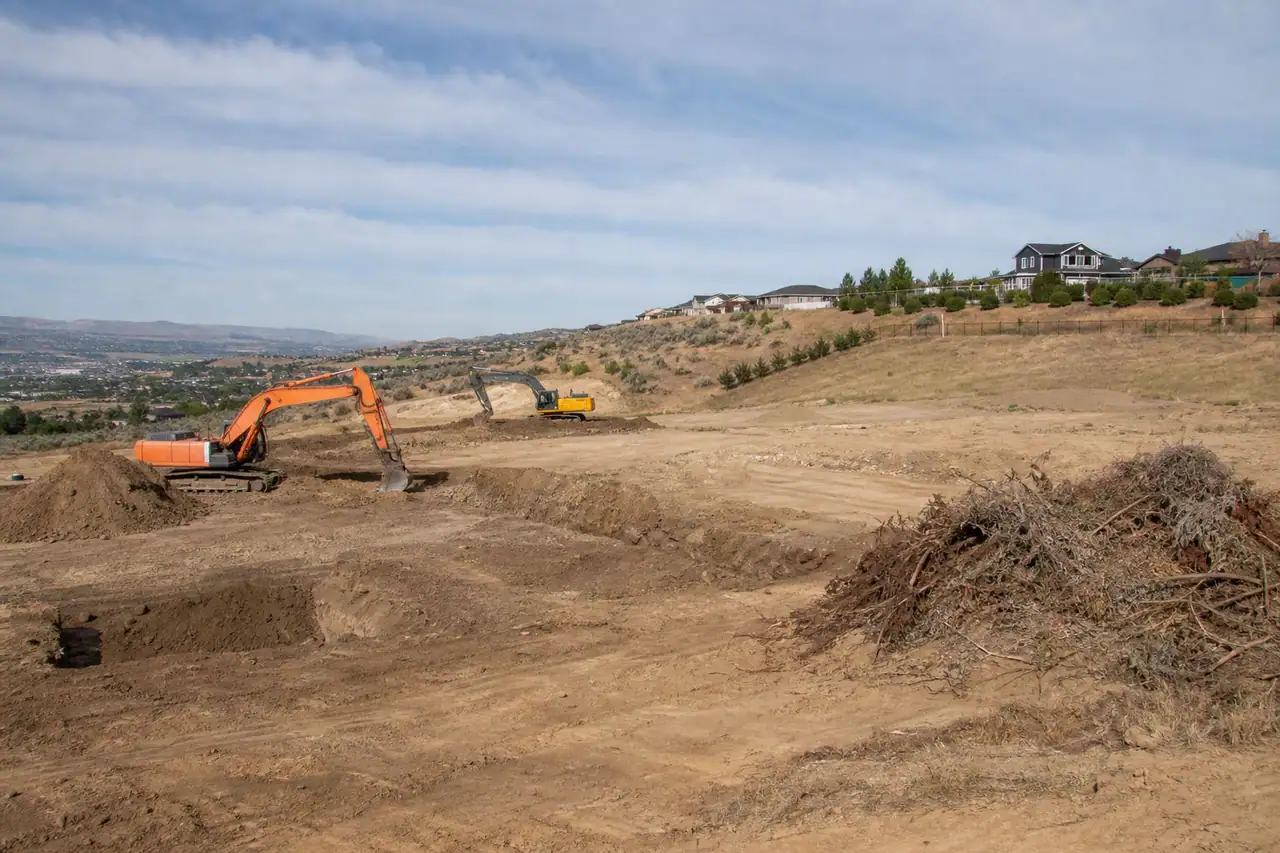
Many trail issues are preventable when they are addressed during planning instead of after use begins. A professional approach to land leveling looks at slope, water flow, soil response, and travel patterns together. That allows the route to be shaped with a clear purpose rather than simply opened wherever it seems easiest. For homeowners and business owners in Grandview, this means a trail system that feels more intentional, performs more consistently, and supports the property without creating unnecessary wear.
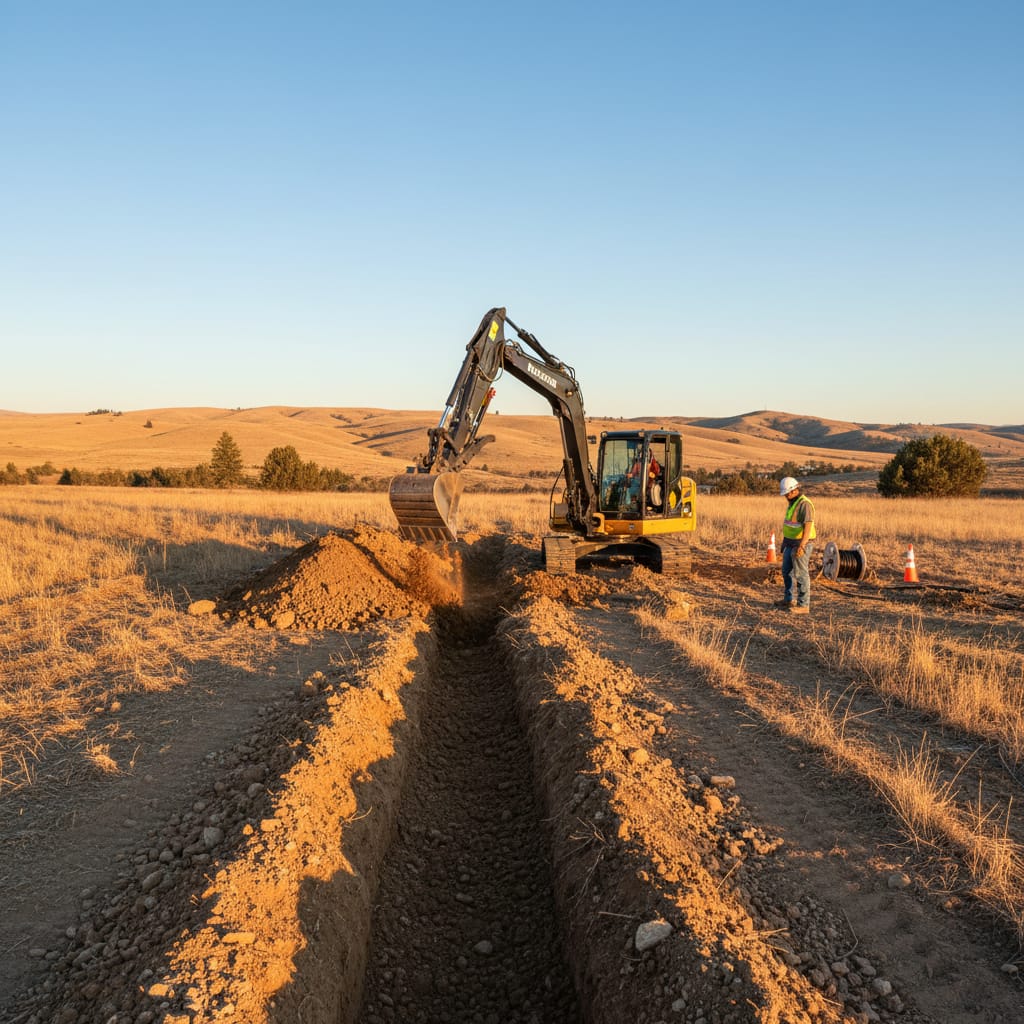
If you are considering new UTV, ATV, horse, or walking trails, the smartest first step is understanding how the ground should be shaped before any route is finalized. Land leveling in Grandview helps create trails that drain better, resist erosion, and stay more usable over the long term. Instead of treating the trail as a simple clearing job, property owners should view it as a land-shaping project where grade, stability, and maintenance all matter. That perspective leads to better results and a more durable trail network for years to come.
Source: conservation planning and drainage guidance
Frequently asked questions
Why is land leveling important before cutting a new trail?
Land leveling helps shape the route so it follows workable grades, sheds water properly, and holds up better under repeated use. Without that groundwork, trails are more likely to develop ruts, standing water, erosion, and unsafe transitions.
Can a trail be built on sloped property in Grandview?
Yes, but the layout should be planned carefully around the slope instead of running straight up or down it. A professional approach uses land leveling to moderate grade changes, improve drainage behavior, and create a route that is safer and easier to maintain.
How do I know if my property needs professional trail shaping instead of a simple cleared path?
If your property has low spots, uneven grades, visible runoff patterns, soft soils, or areas that hold water, a simple path may not last. Professional land leveling is especially valuable when you want a trail that stays usable over time and does not require frequent repair.