What you will learn
- See how mulching helps reduce erosion and surface runoff
- Learn where mulch works best on drainage-prone properties
- Understand when soggy ground signals a larger site issue
- Find out how mulch supports long-term soil stability in Wallula
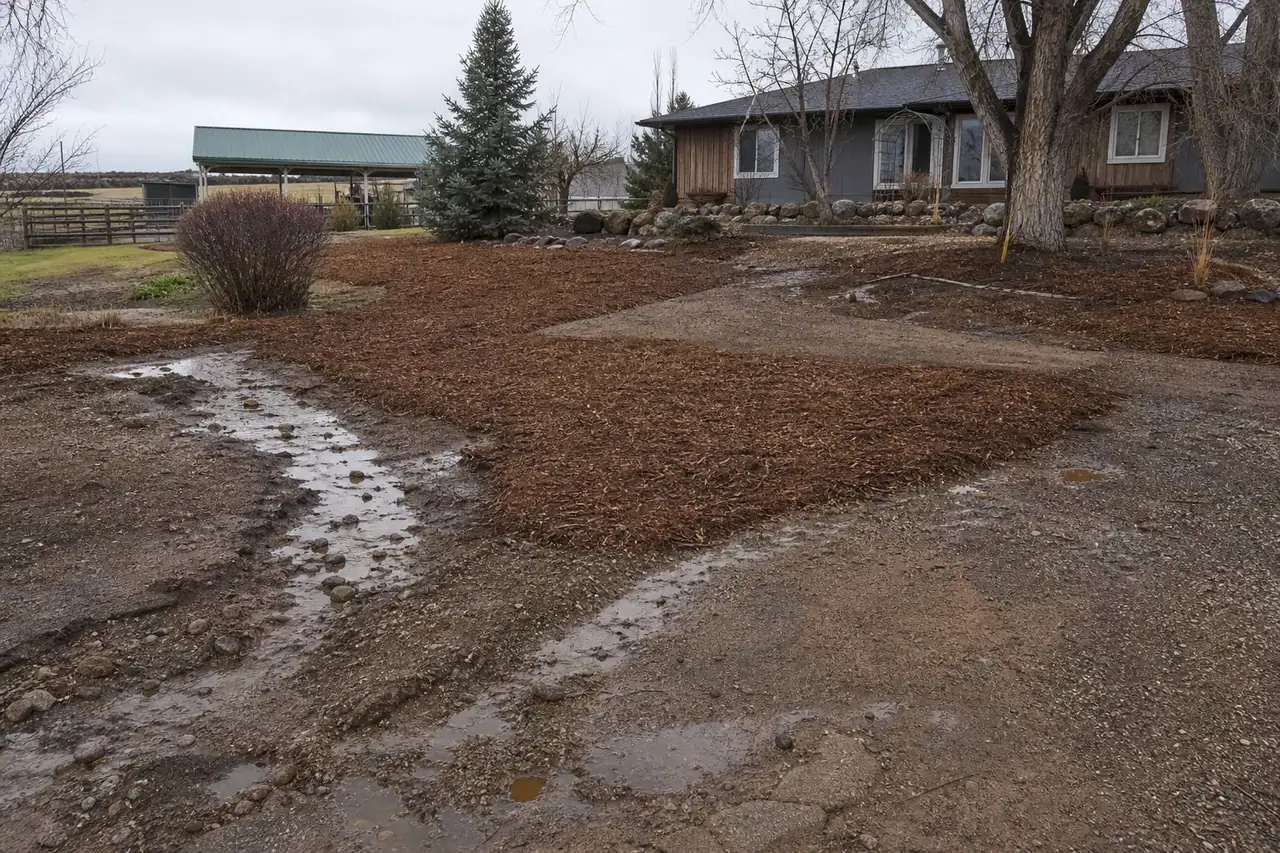
Drainage issues can create ongoing frustration for property owners, especially when standing water, soggy ground, rutted access areas, and soil loss start affecting how land looks and functions. For homeowners and business owners dealing with these conditions, mulching in Wallula can play an important role in improving surface protection and helping problem areas recover. While every property has its own water movement pattern, strategic mulching is often a practical way to reduce erosion, slow runoff, and support better ground performance after storms.
At WHITE ARROW LAND WORKS, the goal is to help property owners understand what is happening on the land and where mulching in Wallula fits into a smart site strategy. Mulch does not replace every type of drainage correction, but it can be a highly effective solution for exposed soil, disturbed slopes, bare banks, and soft areas that worsen when rainwater moves too fast across the surface. If you are still identifying the warning signs, our overview of common grading and drainage issues property owners notice offers a helpful starting point.
Why Rural Properties Develop Drainage Problems
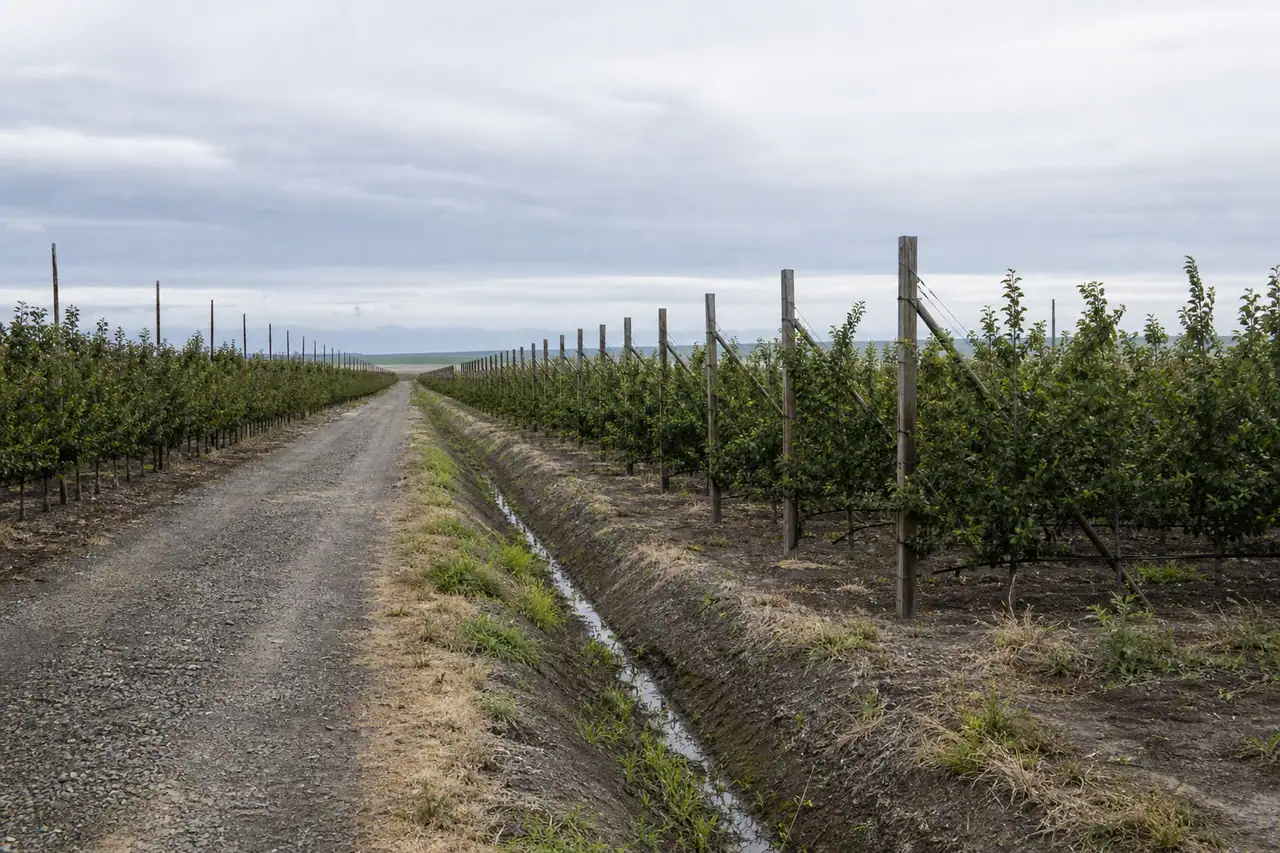
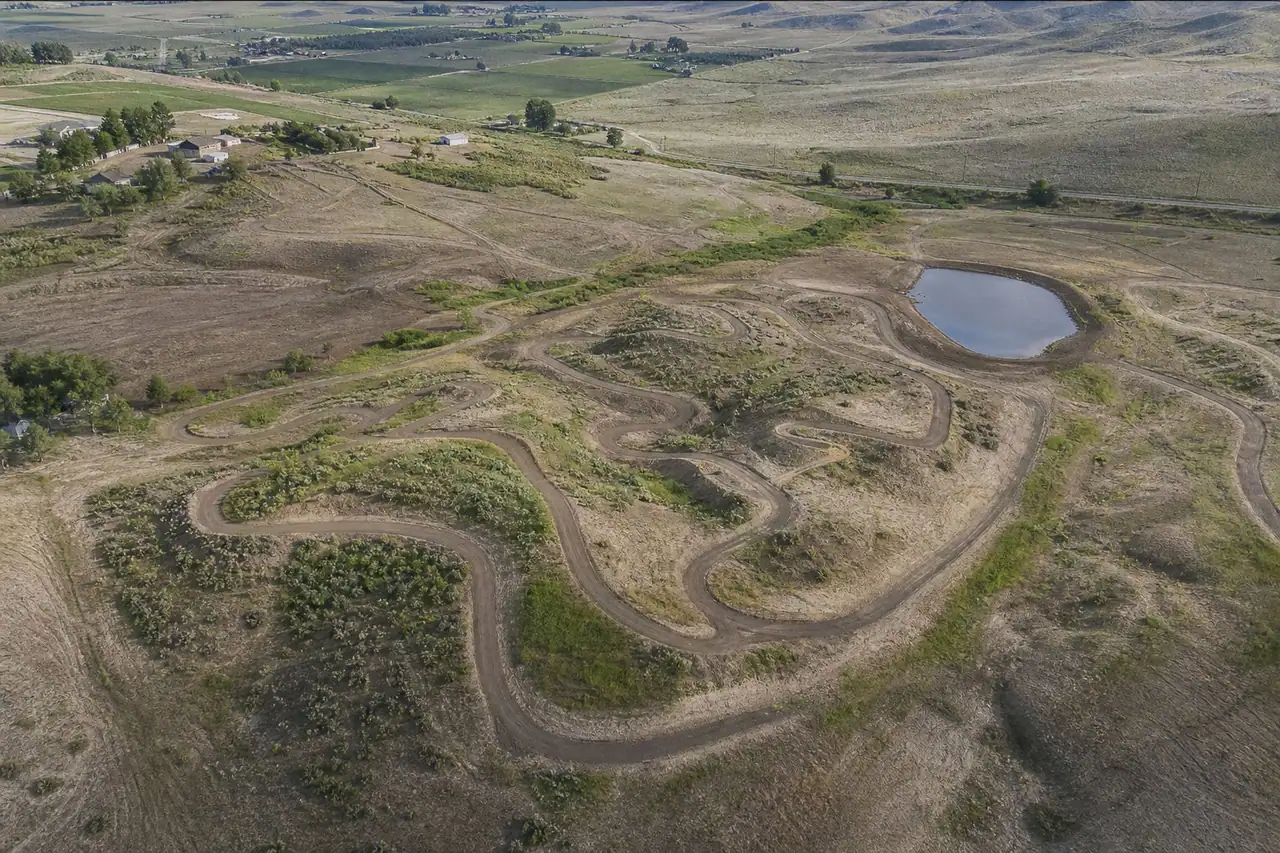
Many drainage problems begin with the way water flows across open ground. On rural sites, runoff may travel from drive lanes, building pads, fence lines, cleared acreage, or sloped terrain and then collect in low spots. Over time, this can lead to puddling, muddy zones that never seem to dry out, and visible washouts after heavier weather. Disturbed ground is especially vulnerable because once vegetation is removed or soil is loosened, it becomes easier for water to carry fine material downhill.
This is one reason site preparation matters so much. Even if a property owner is focused on access or future use of the land, surface protection should not be overlooked. Posts like how raw lots are prepared for better site performance and what affects rural earthwork planning and cost show how early land decisions can influence drainage behavior later. In Wallula, mulching is often used after disturbance to help shield soil from direct rainfall impact and reduce the chance that loose sediment will move where it should not.
How Mulching Helps With Standing Water, Washouts, and Soggy Areas
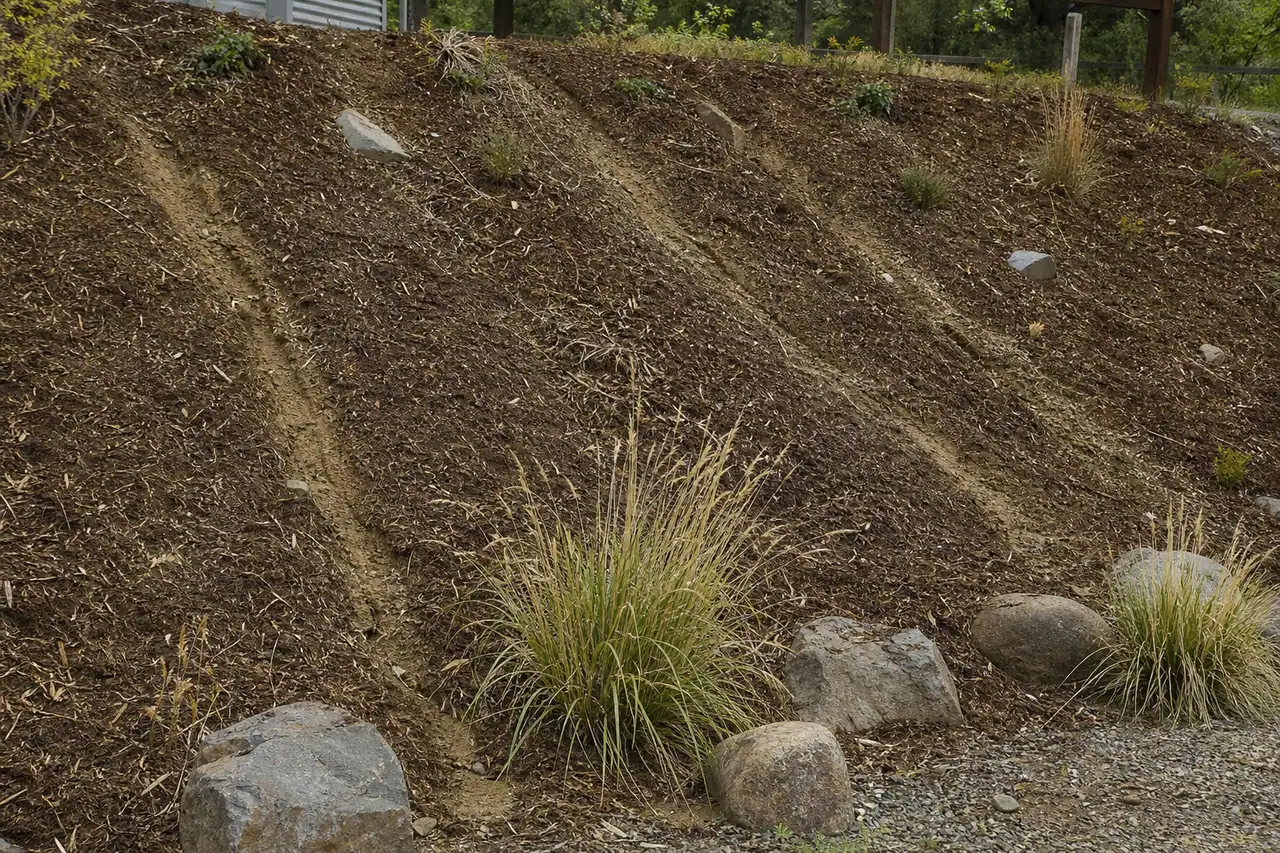
Mulching works by creating a protective layer over exposed ground. That layer helps soften the force of rainfall, slows the speed of surface runoff, and reduces the amount of soil that gets displaced. On properties with minor washouts or surface erosion, mulching in Wallula can help stabilize the area before it gets worse. It can also improve moisture balance by limiting crusting and helping the upper soil layer stay more consistent rather than turning hard in one area and muddy in another.
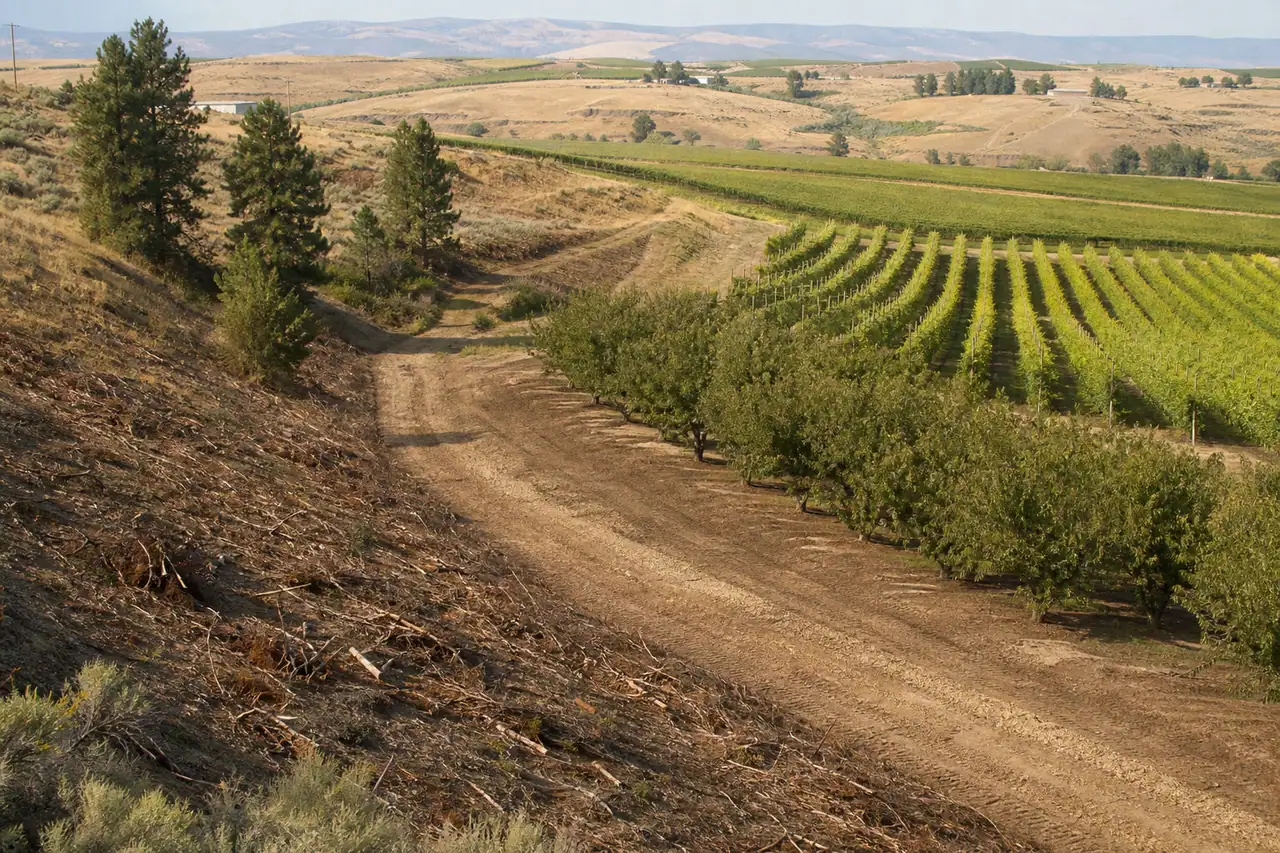
In soggy yard edges or bare open sections where water tends to spread out, mulch can support the surface by reducing splashing, minimizing rut formation, and helping establish a more protected finish. It is especially useful on slopes, around newly disturbed banks, and across areas where water is moving but not yet deeply channelized. Property owners comparing broader land-treatment options may also benefit from reading the difference between full clearing and selective clearing on acreage, since the amount of exposed soil strongly affects how much runoff damage occurs.
Where Mulching Fits Alongside Other Drainage Measures
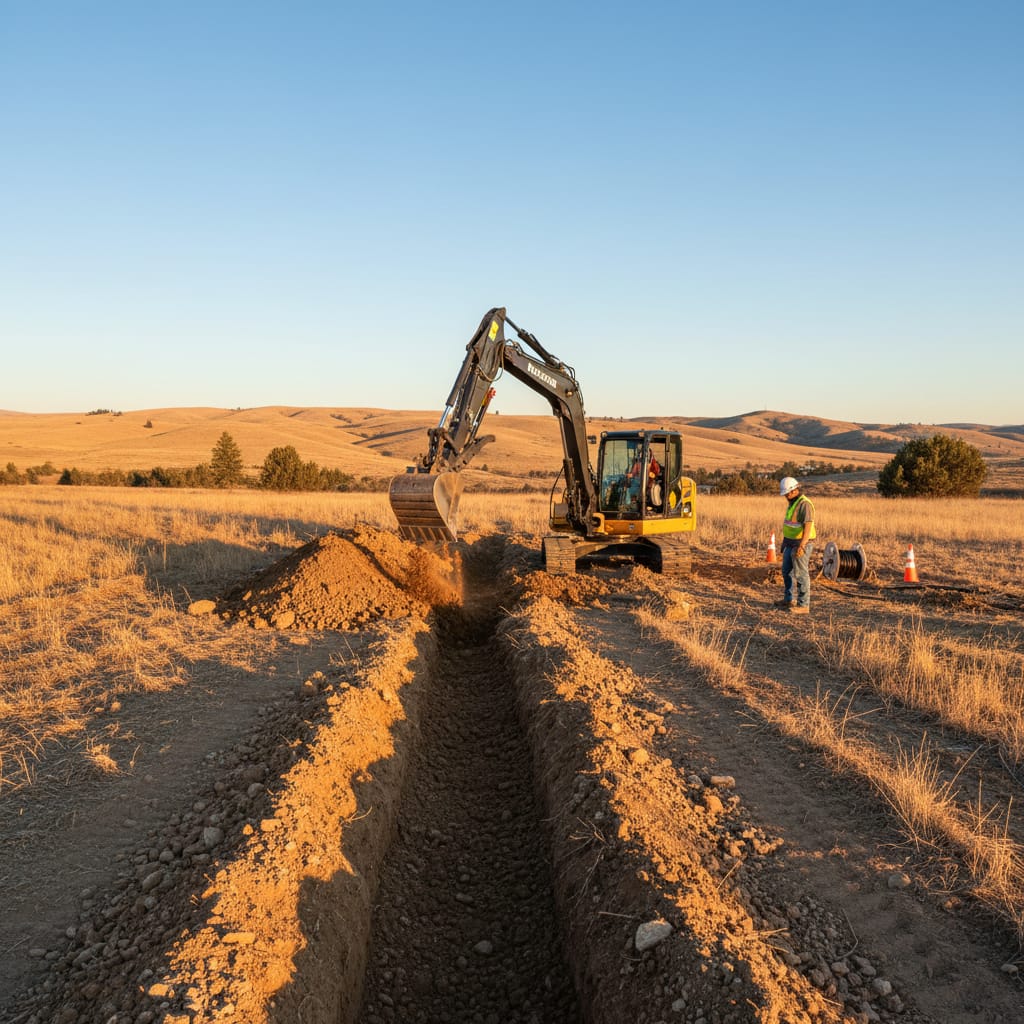
Property owners often hear about grading, swales, French drains, culverts, trenching, and gravel drainage systems when discussing water control. Those methods are used to redirect, collect, or move water based on site conditions. Mulching serves a different but complementary purpose: it protects the soil surface where water is already affecting the ground. In other words, while some drainage measures manage where water goes, mulching helps manage what water does to the soil as it travels.
That distinction matters. If a property has severe ponding caused by elevation problems, a buried drainage issue, or an undersized crossing point, mulch alone may not solve the root cause. But where the main concern is exposed ground, erosion after storms, or degraded surface conditions around a corrected drainage path, mulching in Wallula is often one of the most effective finishing steps. For example, if access routes or open land have already been shaped for better use, insights from planning trail and access routes with land shaping in mind can help explain why surface stabilization is just as important as the original layout.
Best Areas for Mulching on a Wallula Property
- Bare slopes where rain is carrying topsoil downhill
- Washed edges along drive approaches or open access lanes
- Disturbed ground around new site work or cleared sections
- Drainage channels or outflow areas needing surface protection
- Soft, muddy patches where exposed soil keeps breaking down
These are the places where mulching in Wallula commonly delivers value. It helps create a buffer between weather and soil, which is especially useful after land has been opened up or reshaped. In agricultural and large-lot settings, landowners often see similar patterns wherever traffic, runoff, and exposed earth meet. Our readers also often find value in understanding how ground maintenance supports access and drainage and timing property maintenance to reduce overgrowth and surface issues, since seasonal conditions influence how quickly problem areas worsen.
What Mulching Can and Cannot Do
Mulch is highly useful for erosion control, surface stabilization, and protecting disturbed soil, but it should be viewed realistically. It can help reduce sediment movement, improve the resilience of exposed ground, and support recovery after runoff damage. It can also make a property look more finished and better maintained. However, if water is collecting because the ground is pitched incorrectly or because runoff has no proper outlet, that underlying condition still needs to be addressed. Mulch helps the surface perform better, but it is not a substitute for correcting a major drainage path problem.
That is why a site-specific approach matters. Two properties may both have muddy spots, but one may need surface protection while the other may have a deeper water-routing issue. For many owners, the most practical next step is to identify whether the visible problem is erosion, saturation, runoff speed, or all three. Once that is clear, mulching in Wallula can be applied where it will deliver the strongest benefit.
Choosing a Professional Approach for Long-Term Results
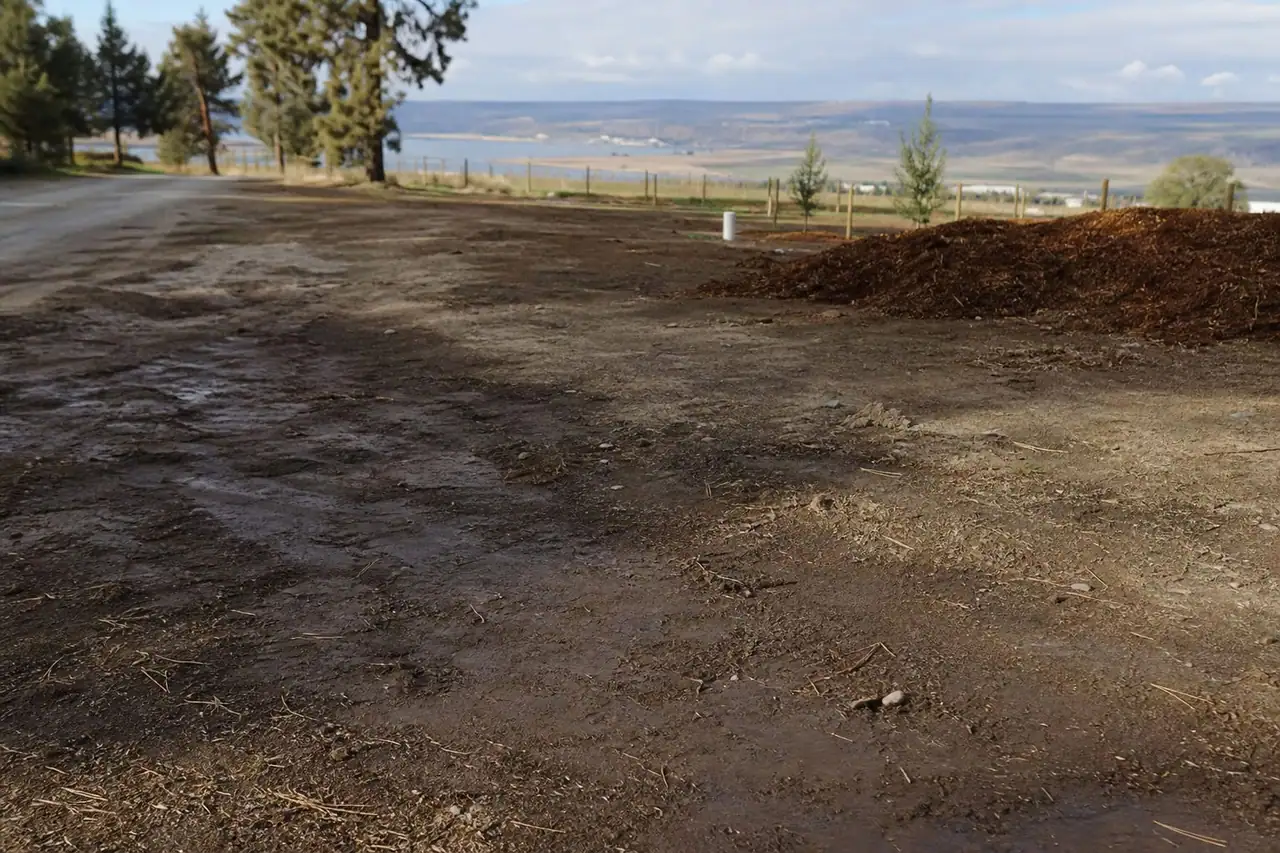
Professional mulching is about more than spreading material over the ground. It involves identifying unstable surfaces, understanding water flow patterns, and applying coverage in the areas that need protection most. On rural properties, that often means looking at slopes, transitions, exposed sections, and places where runoff repeatedly strips away soil after storms. A thoughtful plan helps ensure the mulch supports the property rather than simply covering symptoms for a short time.
If your land has recurring wet spots, washouts, or surface erosion, WHITE ARROW LAND WORKS can help you determine where mulching in Wallula makes sense and how it can contribute to a more stable, better-protected property. For homeowners and local business owners alike, the right mulching strategy can improve appearance, reduce ongoing soil loss, and support healthier ground conditions over time. When used in the right places, mulching in Wallula is a practical solution that helps rural properties stand up better to weather and water movement.
Source: conservation practice standards
Frequently asked questions
Can mulching fix standing water on my property?
Mulching can help protect soil in areas affected by water, but it does not usually solve standing water by itself if the root issue is poor elevation or trapped runoff. It is most effective for reducing erosion, slowing surface runoff, and stabilizing disturbed ground.
Where does mulching work best for drainage-related property problems?
Mulching works best on exposed slopes, disturbed soil, washed edges, outflow areas, and sections where runoff is causing surface breakdown. It is especially useful after land disturbance when bare ground is vulnerable to rain impact and soil movement.
How do I know if my Wallula property needs mulching or a different drainage solution?
If your main issue is bare soil, erosion, or surface washout, mulching may be a strong fit. If water is pooling for long periods or flowing toward structures or access areas, the site may also need a broader drainage evaluation to identify the cause before surface stabilization is applied.