What you will learn
- See how early drainage planning protects driveway base stability
- Learn when ruts and soft spots signal a need for culvert installation
- Understand how grade breaks affect access and future maintenance
- Find out how proper water flow reduces washouts and repeat repairs
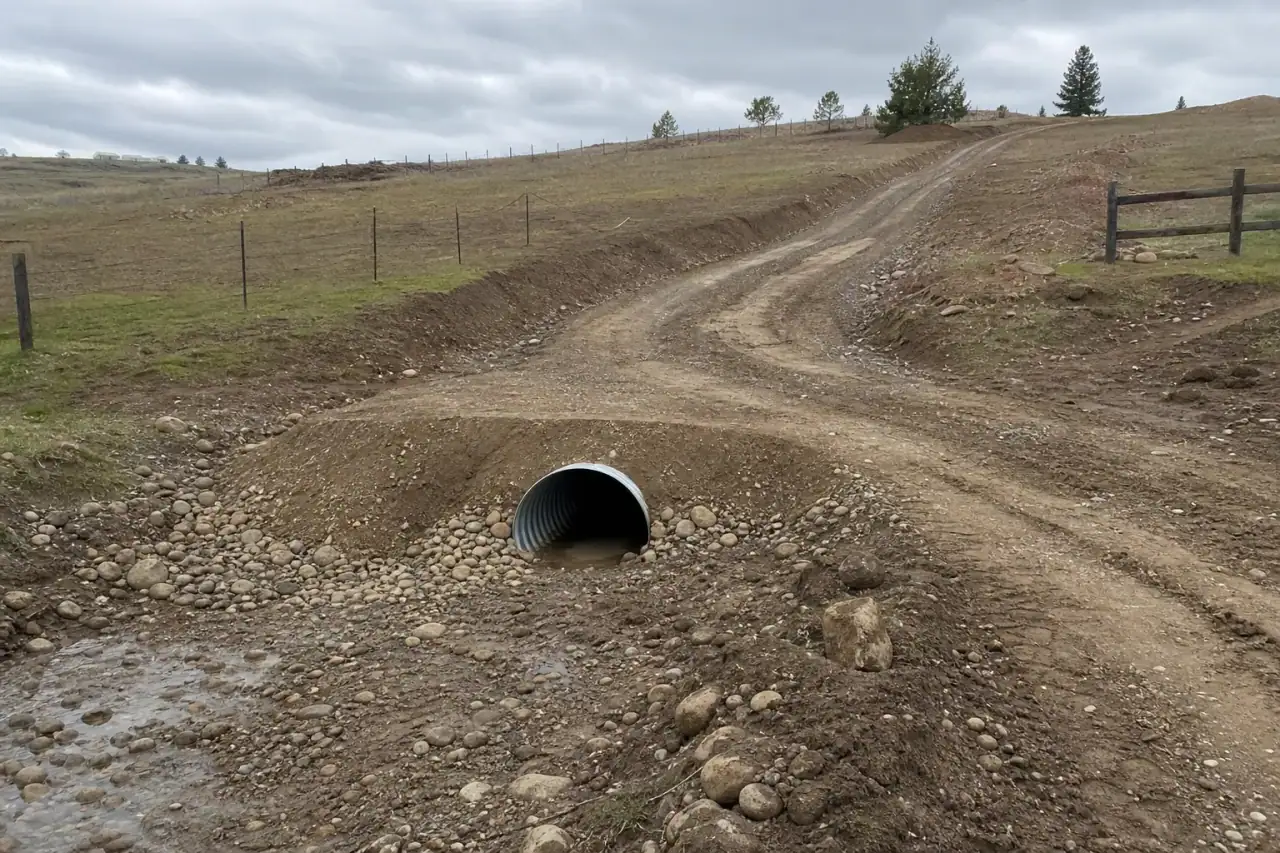
For acreage owners planning a long rural driveway, culvert installation in Benton City is often one of the most important decisions to make before excavation begins. If your property has ruts, soft spots, low crossings, or abrupt grade breaks, water control should be addressed first so the future driveway is not built over unstable ground. A well-planned culvert helps move runoff where it belongs, protects the base from saturation, and improves reliable vehicle access in all seasons.
Many driveway problems start long before gravel is delivered. Surface water may sheet across the route, collect in shallow depressions, or cut channels through native soil after storms. When that happens, even a newly built driveway can begin to rut, settle, or wash out sooner than expected. That is why property owners evaluating long access routes often benefit from the same drainage-first thinking discussed in this guide on proper base prep and grading for culvert performance. The principle is simple: if water is not controlled first, the driveway structure above it has a weaker starting point.
Why Culvert Installation Should Come Before Driveway Buildout
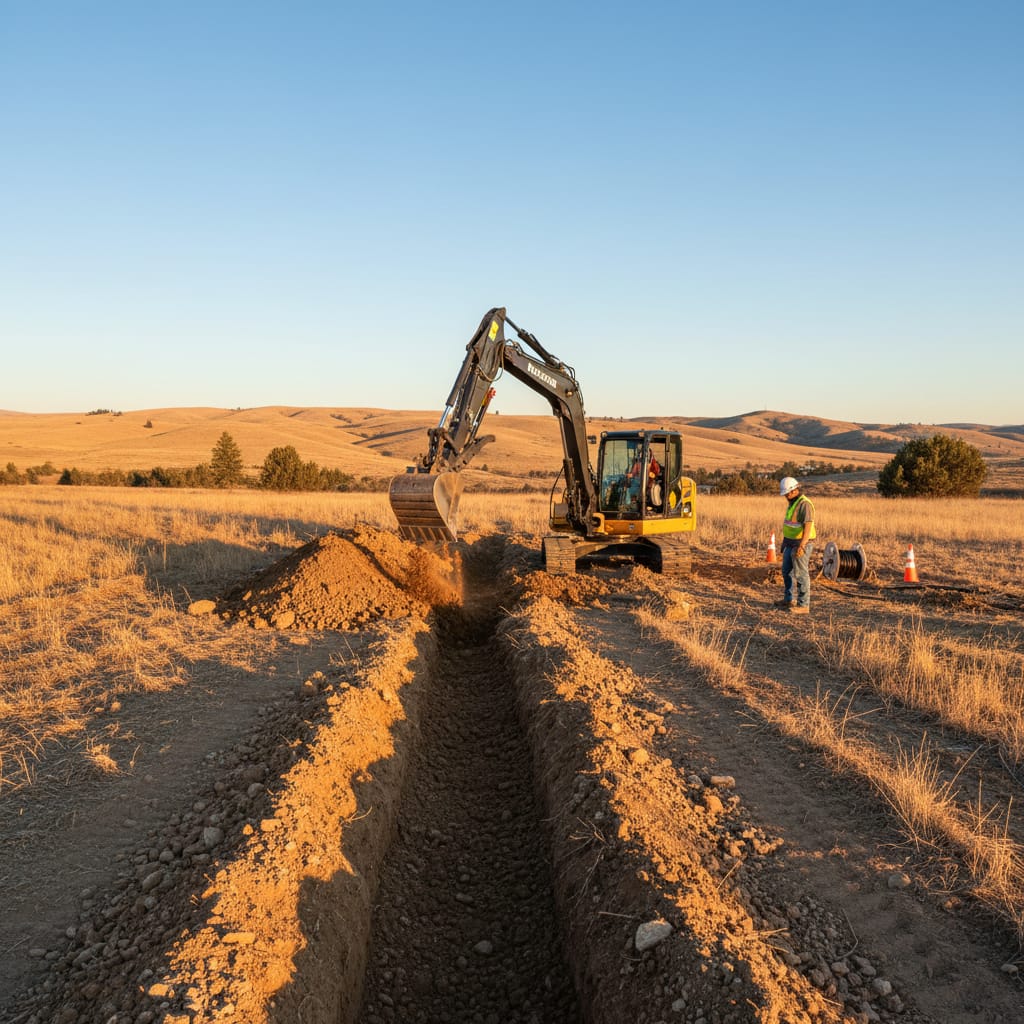
On rural properties, a driveway is more than a travel lane. It is an access corridor for daily vehicles, deliveries, trailers, and maintenance equipment. If the route crosses a natural drainage path or passes through soils that stay wet, culvert installation in Benton City should be considered early in the planning process. Installing the culvert at the right elevation before the full driveway section is placed helps preserve drainage flow, avoids trapping water on the uphill side, and reduces the risk of undermining the future driving surface.
This early approach also limits rework. If a driveway is excavated and surfaced first, then later found to need a culvert, the finished section may have to be opened back up, reshaped, and rebuilt. Property owners can avoid that extra disruption by identifying drainage warning signs in advance, much like the issues outlined in this overview of drainage warning signs before grading decisions. Soft wheel tracks, standing water, edge sloughing, and erosion at low points all suggest the route may need a crossing structure before the driveway is completed.
How Ruts, Soft Spots, and Grade Breaks Point to Drainage Problems
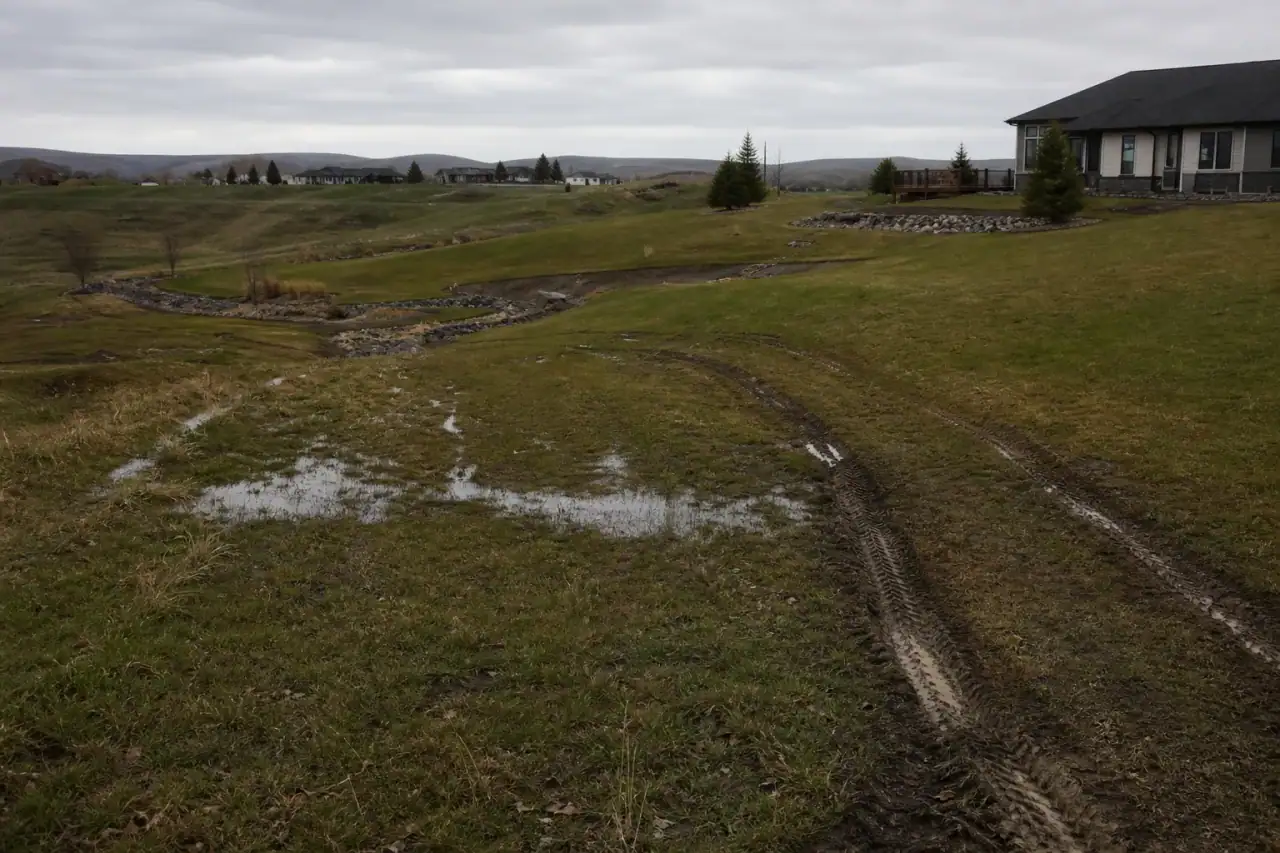
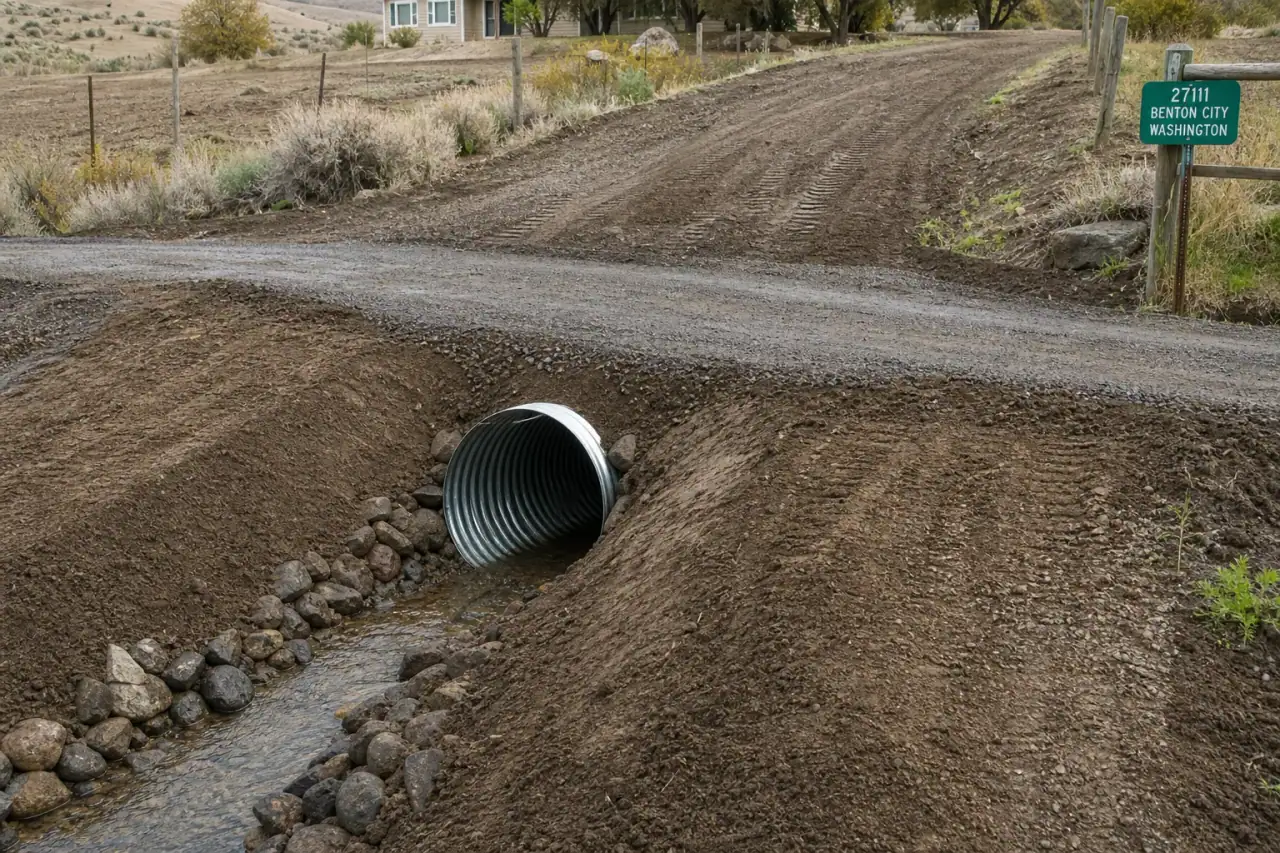
Ruts are not just surface blemishes. They often show where traffic is repeatedly compressing wet or weak soils. Soft spots tell a similar story: moisture is being held in the subgrade, reducing load support and making the route vulnerable to settlement. Grade breaks can be just as important. An abrupt change in slope may concentrate runoff, sending water straight into the driveway alignment instead of around or under it. In these situations, culvert installation in Benton City can play a key role in redirecting flow and preserving the structural integrity of the access route.
Not every low area needs the same solution, but a crossing that carries water beneath the driveway is often the right answer where natural drainage must continue uninterrupted. This is especially true on long rural alignments where one untreated wet section can affect the usability of the entire entrance road. Similar site-planning logic appears in this comparison of culverts and other drainage approaches, which helps property owners understand when a below-grade crossing is the most practical fit for preserving access.
- Persistent mud or tire sink at the same location
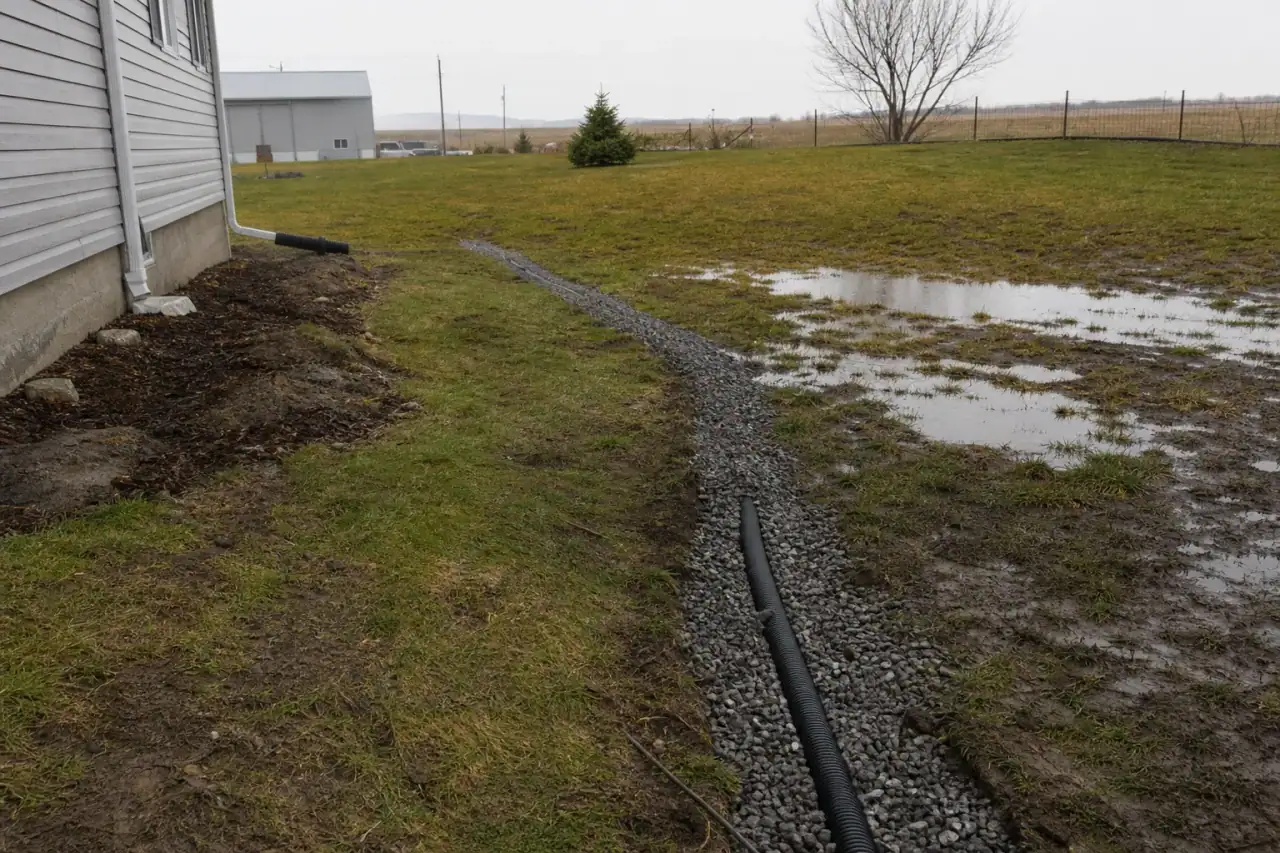
- Water ponding beside or across the planned driveway path
- Visible erosion channels after rain or irrigation overflow
- A low crossing where runoff naturally moves downslope
- Cracking, settling, or edge collapse in an older access lane
The Connection Between Drainage Flow and Base Stability
A long rural driveway depends on a stable base layer, but base stability is only as good as the moisture conditions below and around it. When water is allowed to collect under the future driving surface, the aggregate above can pump, shift, and lose shape under traffic. Proper culvert installation in Benton City helps maintain a drier subgrade by giving runoff a defined path beneath the crossing instead of through the driveway section. That improves compaction conditions and supports a more durable finished result.
Early grading decisions matter here. The culvert invert, the slope of the approach, and the way surrounding soil is shaped all influence whether water enters and exits correctly. If those elements are rushed or guessed at, the crossing may still allow saturation or erosion around the ends. Property owners thinking through those details may also find value in this site prep checklist focused on drainage readiness and this article on correcting low spots and soft access routes before they become bigger build issues. The takeaway is consistent: drainage and grade planning should support the finished surface, not fight against it.
Vehicle Access Depends on More Than a Smooth Surface
Homeowners and local business owners often focus on how a driveway will look once complete, but dependable access is the bigger priority. A section that appears smooth on day one can still become difficult for pickups, trailers, service vehicles, or deliveries if water weakens the base below. Strategic culvert installation in Benton City helps maintain passable conditions by limiting saturation at crossing points and reducing the chance of rutting where traffic loads are heaviest.
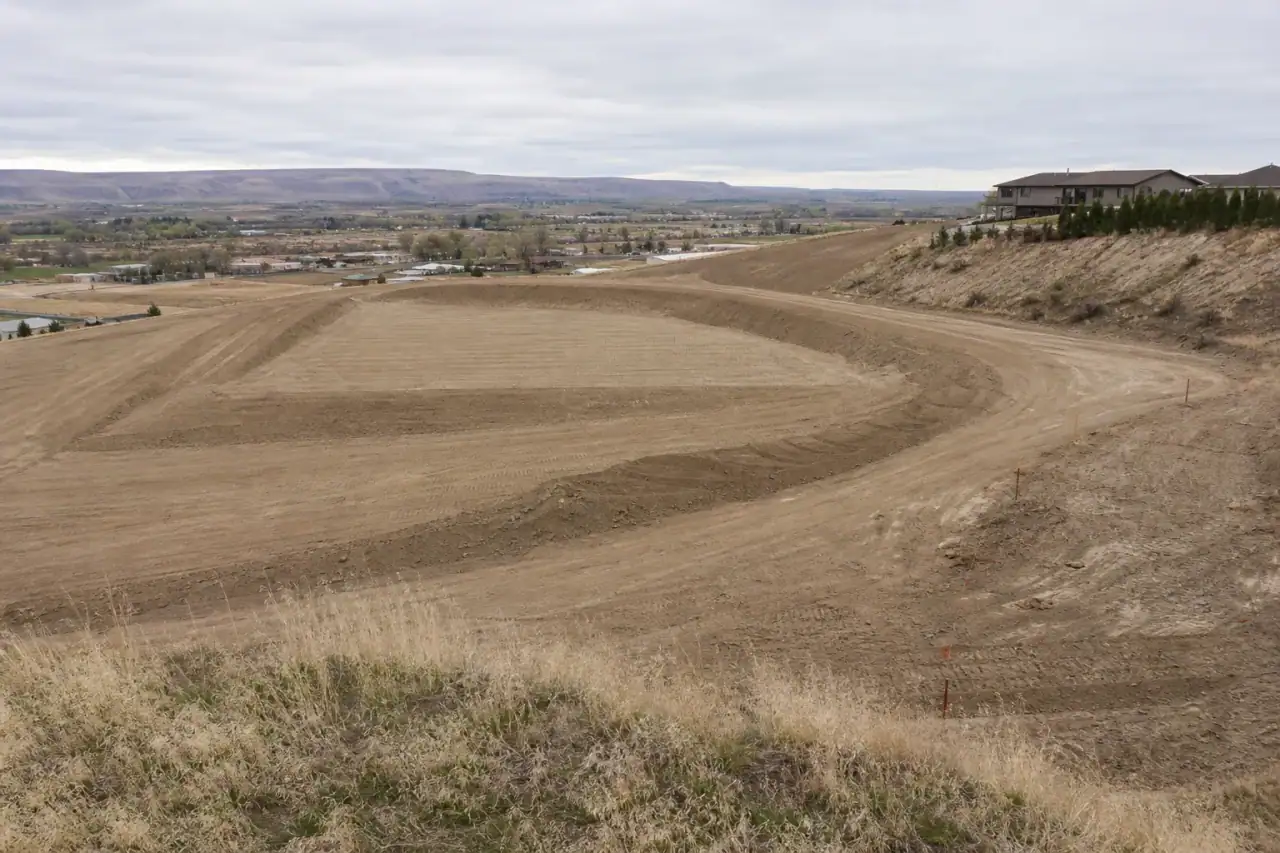
This matters even more on long driveways, where one failed section can interrupt use of the entire route. If the property includes broad drainage movement, changing elevations, or recurring wet ground, the access plan should account for those realities from the start. Related planning concepts can also be seen in this guide to preparing uneven acreage for better drainage and access and this article about keeping water away from future driveway areas through early grading strategy. In each case, the message is the same: controlling water is central to preserving reliable site access.
How Early Culvert Planning Can Reduce Future Maintenance
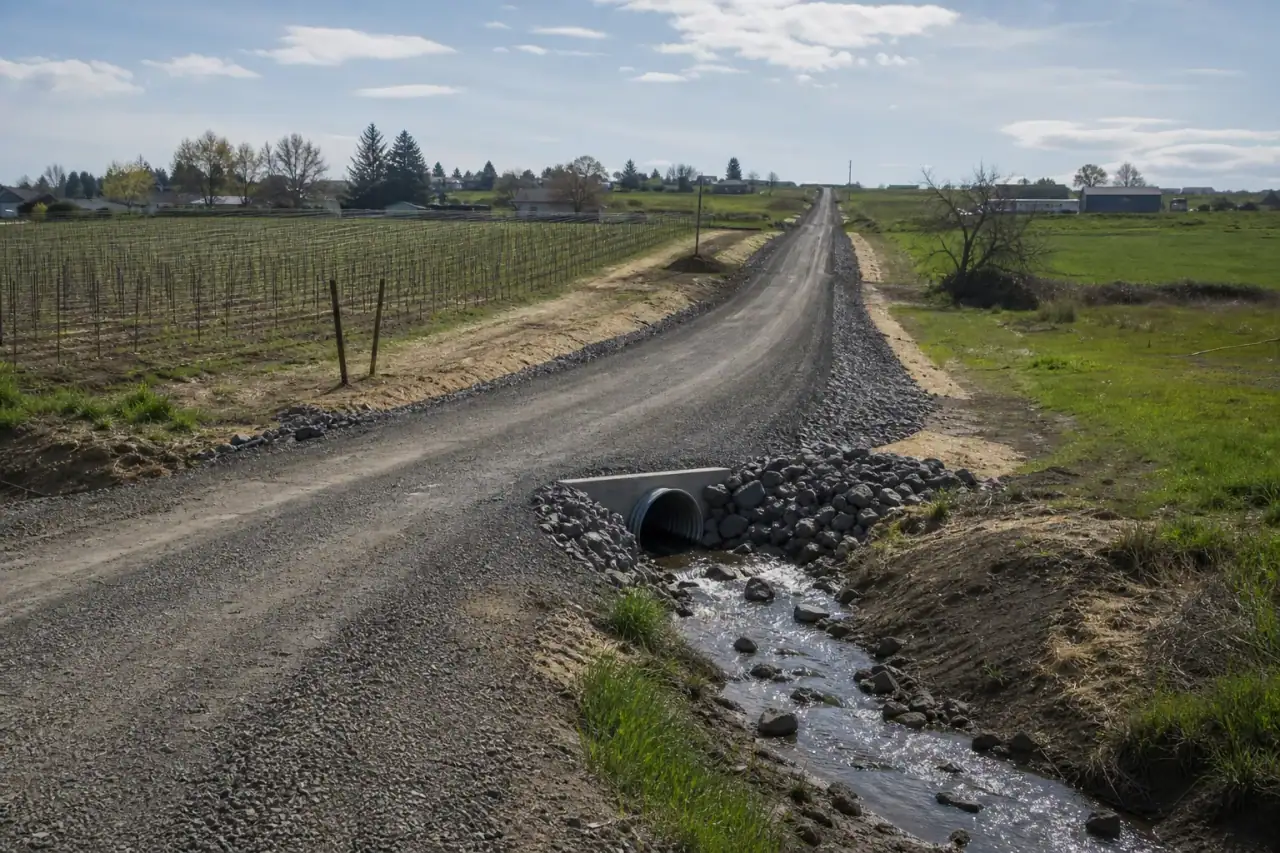
One of the biggest benefits of properly timed culvert installation in Benton City is lower long-term maintenance pressure. When runoff is carried under the driveway instead of over it, the surface is less likely to develop washboarding, edge loss, potholes, and recurring rut repairs at low points. That means fewer corrections after storms and less need to keep adding material to compensate for water damage.
Maintenance savings also come from better alignment choices. If a driveway route is adjusted slightly to work with existing drainage patterns, the culvert can perform more naturally and with less stress on the surrounding grade. That kind of planning is far more efficient than repeatedly patching the same failure area. For property owners evaluating whether site conditions are ready for a durable access route, the smartest move is to treat drainage crossings as part of the initial design rather than as a later fix.
What Property Owners Should Evaluate Before Installation
- Where water currently travels during rain or seasonal runoff
- Whether the planned driveway crosses a swale, low point, or drainage path
- How deep ruts or soft spots indicate unstable moisture conditions
- Whether slope changes could funnel water into the driveway alignment
- How heavy and frequent vehicle traffic will be once the route is in use
These factors help determine whether a culvert is necessary, where it should be placed, and how the surrounding grade should support it. For many rural properties, the goal is not just to install a pipe, but to create a crossing that works with the land and protects the driveway for years to come. Thoughtful planning at this stage can prevent expensive corrections after the route is already carrying daily traffic.
Conclusion
If your property has ruts, soft spots, or grade breaks along a planned access route, addressing drainage before driveway construction is one of the best ways to protect your investment. Culvert installation in Benton City helps preserve natural water flow, improve base stability, support dependable vehicle access, and reduce future maintenance on long rural driveways. For homeowners and local business owners alike, making the right grading and drainage choices early leads to a stronger, more reliable result.
Source: NRCS conservation practice standards
Frequently asked questions
When should a culvert be installed before building a rural driveway?
A culvert should be evaluated before driveway excavation whenever the planned route crosses a natural drainage path, low area, or section that stays wet. Installing it early helps preserve water flow, keeps the base from becoming saturated, and reduces the chance that a finished driveway will need to be reopened later for drainage corrections.
Can a culvert help with recurring ruts and soft spots?
Yes, if those ruts and soft spots are being caused by water moving across or collecting under the route. A properly planned culvert can carry runoff beneath the driveway instead of allowing it to weaken the subgrade. The result is better support for traffic and less repeated damage at the same trouble spot.
Why does grade matter so much during culvert installation?
Grade controls how water approaches, enters, and exits the culvert. If the surrounding soil is not shaped correctly, runoff may bypass the crossing, erode around the ends, or pond near the driveway. Proper grade planning helps the culvert function as intended and protects the future driving surface from moisture-related wear.