What you will learn
- Know when a French drain is the right drainage fix
- Spot warning signs before wet ground affects access
- Understand how drainage planning protects future build areas
- Learn how to improve runoff without causing erosion
- See what property owners should review before installation
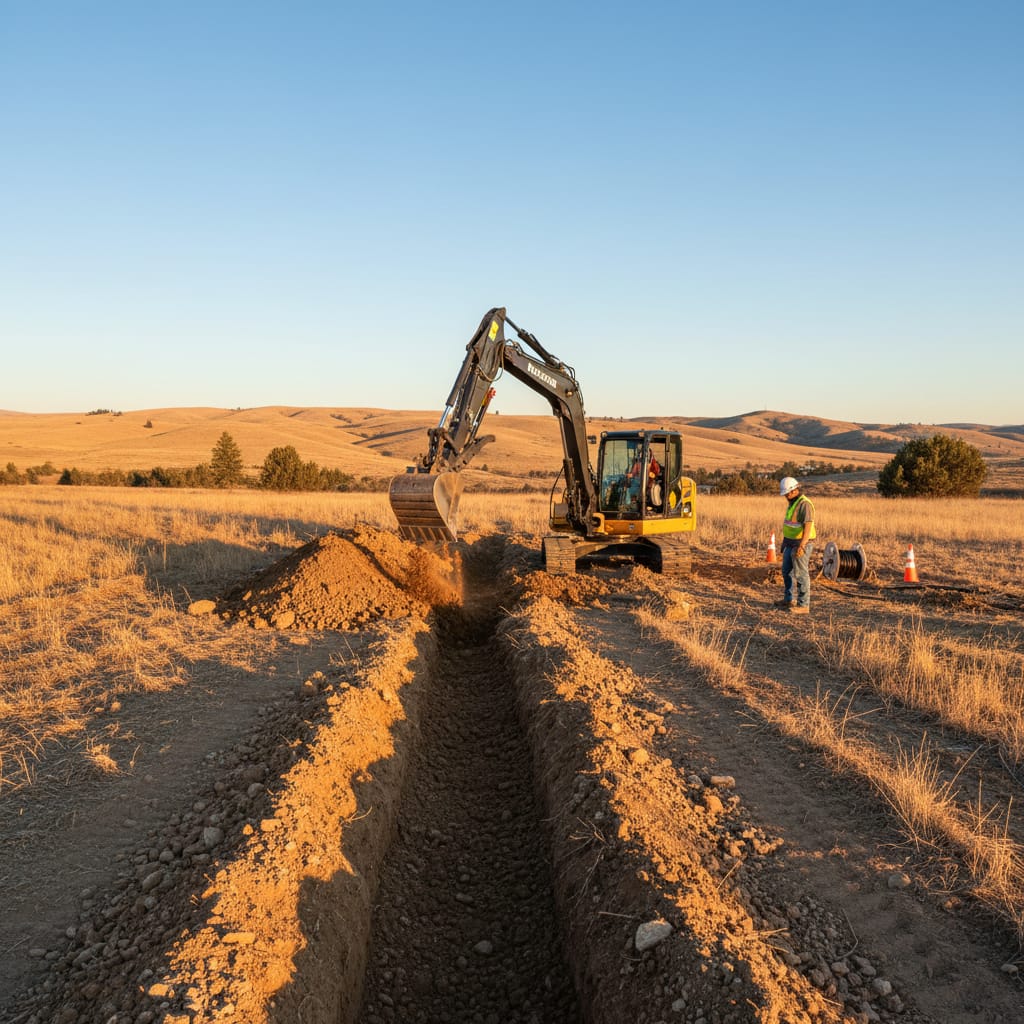
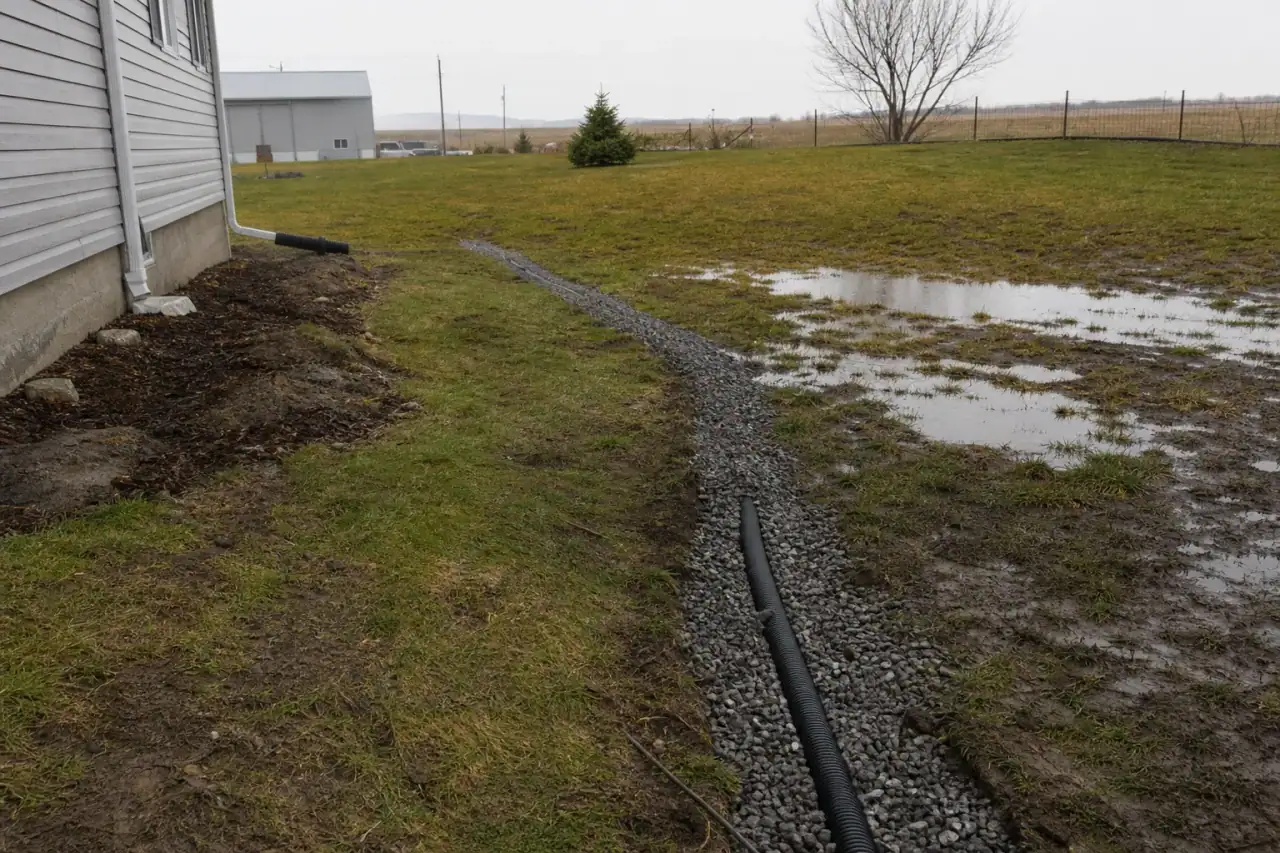
French drain installation in Pasco is often the smartest first step when low spots, soggy ground, and recurring runoff start limiting how a property can be used. For homeowners and local business owners with rural parcels, drainage problems rarely stay isolated. Water that stands near access routes, future pad locations, or work areas can soften soil, create ruts, and make the site harder to improve later. A properly planned French drain installation in Pasco helps redirect subsurface and surface moisture before those conditions turn into larger grading, stability, or erosion concerns.
The key is knowing when this solution fits the site. Not every wet area needs the same approach, and drainage work should support the way the property will be used in the future. If you are comparing drainage options, it helps to start with a broader look at French drain vs swale vs culvert so you can understand why subsurface collection is often the best match for persistent soft ground and seepage issues.
Why Wet Ground Problems Get Worse Over Time
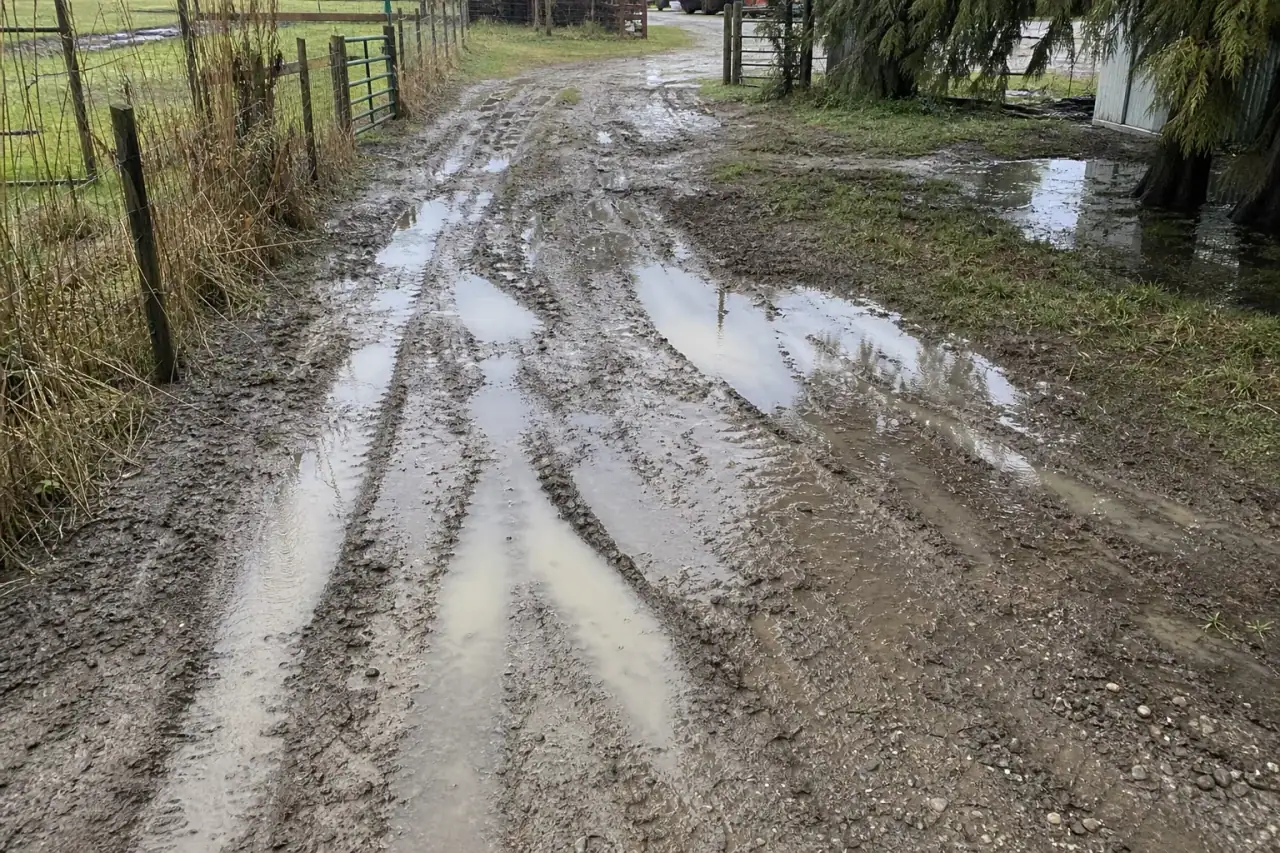
Drainage issues usually develop gradually. A shallow depression may hold water after a storm, then seem to dry out, but the soil structure underneath can remain weak. Over time, repeated saturation reduces stability, especially where vehicles travel or where owners intend to improve the site later. In Pasco, this often shows up as muddy stretches along access routes, standing water beside buildings, or damp zones that stay soft longer than surrounding ground.
These conditions matter because water movement affects more than appearance. It influences compaction, trafficability, and the long-term performance of any nearby improvement. If runoff is allowed to collect without control, the property may develop channels, edge washout, or hidden soft pockets. That is why drainage should be addressed before trying to work around the problem. A useful companion read is this guide on starting with drainage repairs, base prep, and slope planning, which reinforces why stable ground begins with water control.
- Recurring wet spots that return after each rain or irrigation cycle
- Soft access routes where tires sink or leave deep ruts
- Water collecting uphill of a future building or work area
- Seepage appearing along slopes or at the base of a grade
- Mossy, persistently damp zones that dry slower than nearby soil
When French Drain Installation Is the Right First Step
French drain installation in Pasco is especially effective when water is moving through the soil profile or collecting in a low area that cannot simply be ignored. A French drain works by intercepting moisture and giving it a controlled path away from the problem zone. That makes it a strong first step when the goal is to protect access, improve usability, or keep future site work from being built on unstable ground.
This approach is often appropriate when surface grading alone would not solve the issue, or when changing the grade too aggressively could create new runoff patterns. In those cases, subsurface drainage provides a more targeted correction. Property owners who are still evaluating site conditions may also benefit from reviewing what to check before scheduling yard drainage solutions on sloped or uneven ground, since many of the same warning signs apply when water is trapped below the surface.
Situations where a French drain often makes sense
- A low spot stays wet even after surrounding ground dries
- An access route softens repeatedly from subsurface seepage
- Water collects near a future pad, parking area, or work zone
- A slope releases water at the toe, creating muddy conditions below
- You need drainage improvement without redirecting runoff into a new problem area
For many Pasco properties, the value of a French drain is not just removing water today. It is preserving options for tomorrow. If the site may later support pads, trails, work areas, or other improvements, drainage should be handled in a way that supports those plans rather than conflicting with them. Even articles focused on adjacent site concerns, like this site prep checklist for drainage-related build areas, point back to the same principle: stable, dry ground is easier to improve correctly.
How Good Drainage Planning Prevents New Erosion Problems
One of the biggest concerns with any drainage correction is whether moving water away from one area will simply create trouble somewhere else. That concern is valid. A successful French drain installation in Pasco is not just about collecting water; it is about controlling discharge, protecting nearby grades, and avoiding concentrated flow that cuts into soil or overwhelms another section of the property.
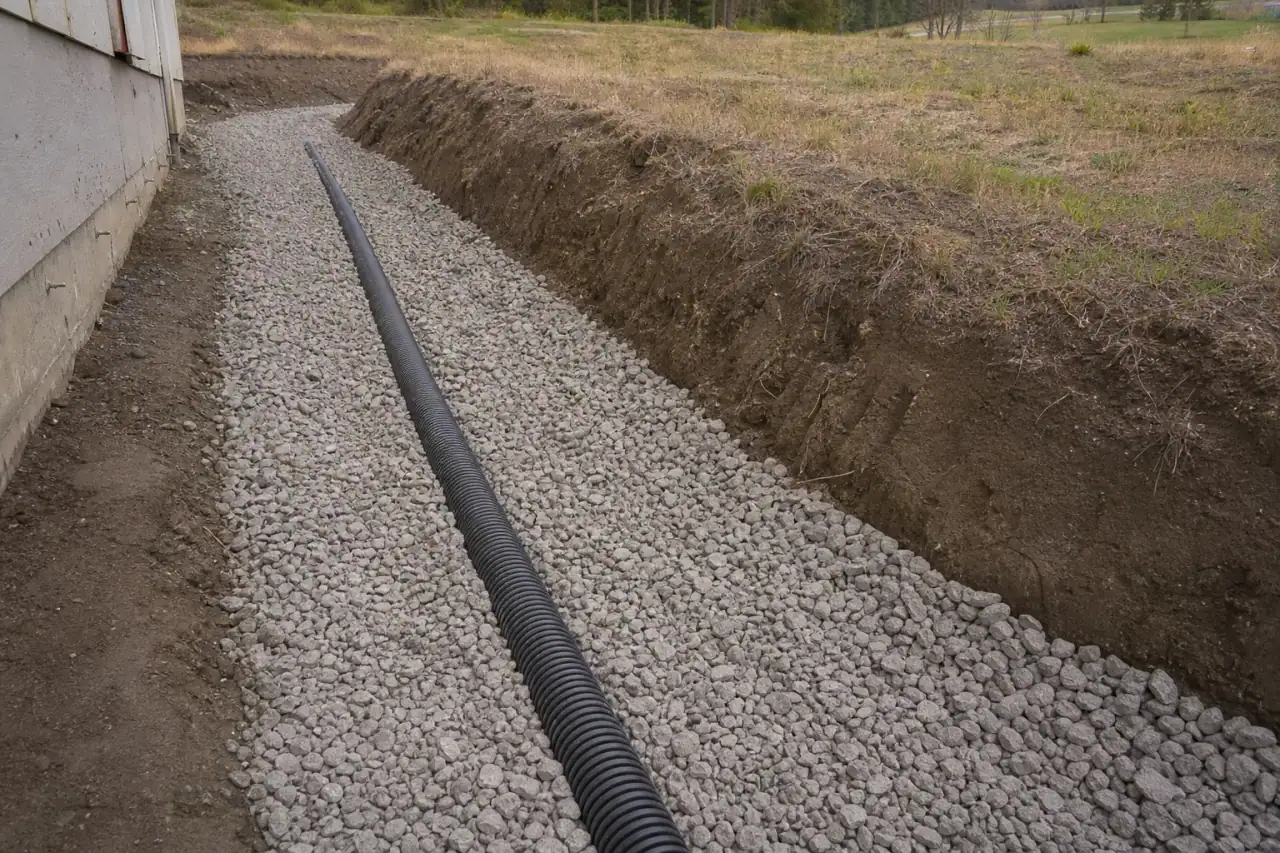
That is why layout matters. Drain location, trench depth, stone envelope, pipe selection, and outlet planning all work together. The system has to account for where water originates, how it travels, and where it can be released safely. This is also why drainage should be considered before opening up new areas of a property. For example, if vegetation removal or trail planning changes runoff behavior, the site may need more careful water control, as discussed in this post on preparing recreational trails without creating erosion or drainage problems.
What Property Owners in Pasco Should Review Before Installation
Before scheduling French drain installation in Pasco, it helps to look at the property as a system rather than focusing on a single puddle or muddy strip. Where does the water come from? Does it appear after storms, irrigation, or both? Is the ground soft because runoff is flowing across the surface, or because moisture is building below grade? The more clearly those patterns are identified, the more effective the drainage solution will be.
Owners should also think ahead. If a wet area sits near a future build site or routine access path, the drain layout should support those future uses. In many cases, correcting moisture early helps avoid rework later. You can see that same planning mindset in this guide on identifying the right first site step before building, where the main takeaway is that foundational site conditions should be evaluated before visible improvements begin.
- Where water enters the problem area
- How long the area stays wet after rain
- Whether the soft ground affects access or parking
- Nearby slopes, structures, and low points
- A safe outlet path for collected water
Why Early Drainage Work Protects Future Site Improvements
Drainage is easiest to correct before soft ground has been repeatedly driven over, built on, or covered up. Once wet conditions start affecting access and use, the property can deteriorate faster than many owners expect. Tire rutting traps more water, saturated soil loses strength, and the affected area often expands. A well-planned French drain can interrupt that cycle by reducing moisture where it is doing the most damage.
For property owners in Pasco, that makes this service a practical investment in usability. It can help preserve access, improve drainage around active areas, and prepare the ground for future work without forcing unnecessary changes to the whole site. If you are trying to avoid a chain reaction of wet-ground problems, French drain installation in Pasco is often the right first move because it addresses the cause before the rest of the property has to adapt around it.
Conclusion
When low spots, seepage, and soft access routes begin interfering with how a property functions, waiting rarely improves the situation. French drain installation in Pasco gives homeowners and local business owners a targeted way to control moisture, protect usable ground, and reduce the risk of larger drainage and erosion issues developing later. If your property in Pasco has recurring wet areas that are limiting access or affecting future plans, a professionally planned French drain installation can provide the stable starting point the site needs.
Source: green infrastructure and managing runoff
Frequently asked questions
How do I know if my property needs a French drain instead of simple regrading?
A French drain is often the better choice when water keeps returning to the same area because moisture is moving through the soil or collecting below the surface. If the ground stays soft long after rain, seepage appears along a slope, or a low area remains wet even when nearby ground dries, a subsurface drainage solution may be more effective than grade changes alone.
Can French drain installation help protect future building or work areas?
Yes. Correcting drainage before a site is improved helps protect soil stability and reduces the chance that wet conditions will affect future access or construction areas. By intercepting water early, a French drain can help keep nearby ground drier and more dependable for later use.
Will a French drain create erosion somewhere else on the property?
It can if the system is poorly planned, which is why outlet design and water discharge location matter. A properly designed French drain should collect and redirect water in a controlled way so that it does not concentrate runoff into a new low spot, wash out a slope, or overload another section of the property.