What you will learn
- Decide what the cleared land will be used for first
- Know when to mulch in place and when to haul debris
- Protect soil and drainage paths during clearing
- Plan the timing around fire season and the next phase of work
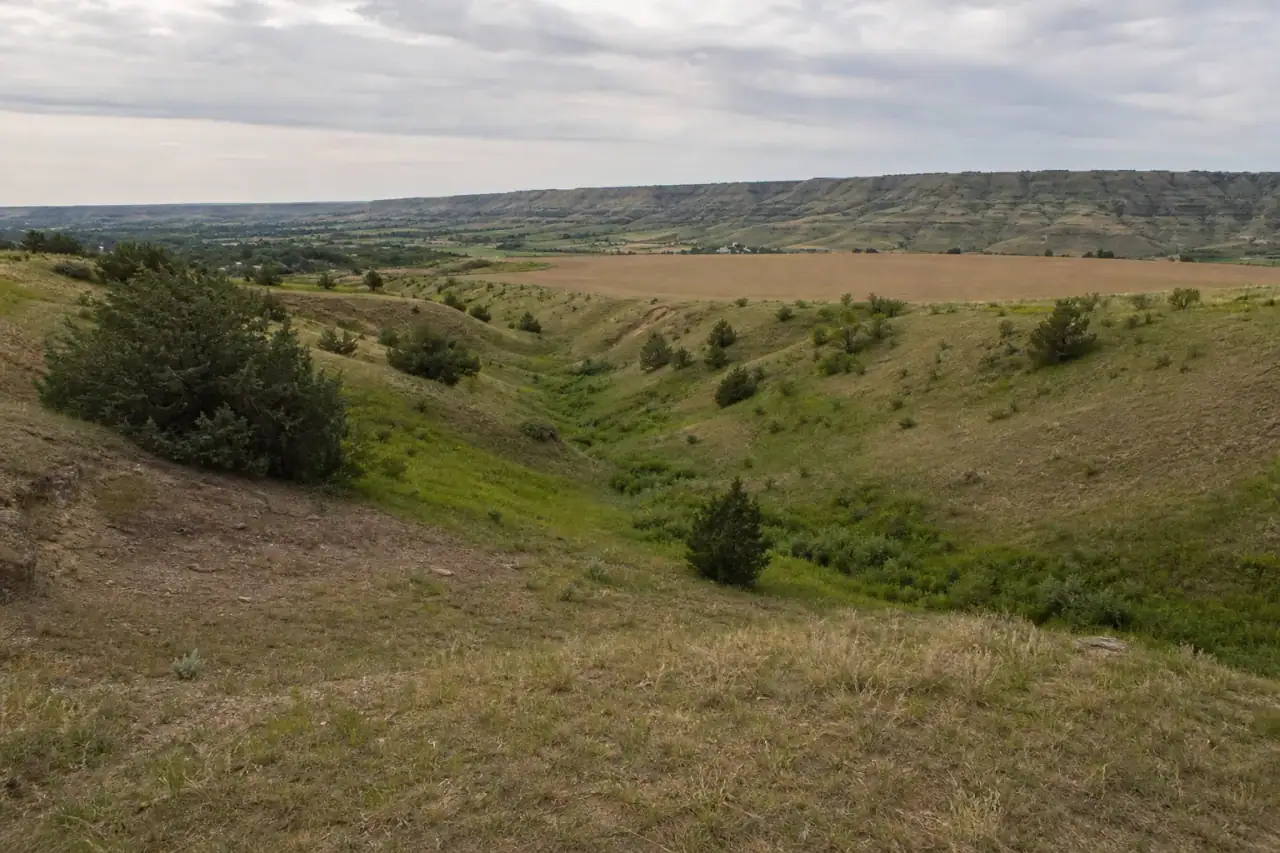
Acreage around Benton City has a way of getting away from its owners. Sagebrush, Russian olive, tumbleweeds, and volunteer trees fill in quickly, especially along fence lines, ditches, and the low areas near the Yakima River. Before you can build a shop, fence a pasture, or put in a driveway, that growth has to come out. Land clearing in Benton City done with a clear plan gives you usable ground without creating new erosion, drainage, or fire problems.
This guide walks through how to approach a clearing project in the order that saves the most time and money. If you are still deciding how much of the property to clear, our comparison of full land clearing vs selective clearing explains the tradeoffs.
Start With What the Land Will Be Used For
The most common clearing mistake is clearing first and planning later. A building pad, a pasture, a trail, and a fire break all need different treatment. A building site may need full clearing, root removal, and grading. A pasture may only need brush and small trees removed, with the soil left intact so grass can establish. An access road needs a cleared corridor wide enough for equipment and trucks, plus room for drainage along the edges.
Marking the future uses on a simple sketch of the property before work starts helps decide what stays, what goes, and how thoroughly each area needs to be cleared. It also keeps you from paying to clear areas you do not need yet.
Walk the Property Before Equipment Arrives
Overgrowth hides a lot. Old fence wire, irrigation pipe, buried debris, abandoned equipment, and well heads are common finds on Benton City acreage. Walking the property with your contractor lets you flag hazards and anything worth saving, such as healthy shade trees, a windbreak, or an old irrigation line you still use.
This is also the time to mark property lines and any utility lines. Clearing equipment works close to the ground, and knowing where lines run keeps the job safe. If excavation will follow, our guide to brush clearing before excavation covers how to sequence the two.
Mulch in Place or Haul It Away?
There are two main ways to deal with cleared vegetation. Forestry mulching grinds brush and small trees into a layer of mulch that stays on the ground. Hauling removes the material from the property entirely. Each has its place.
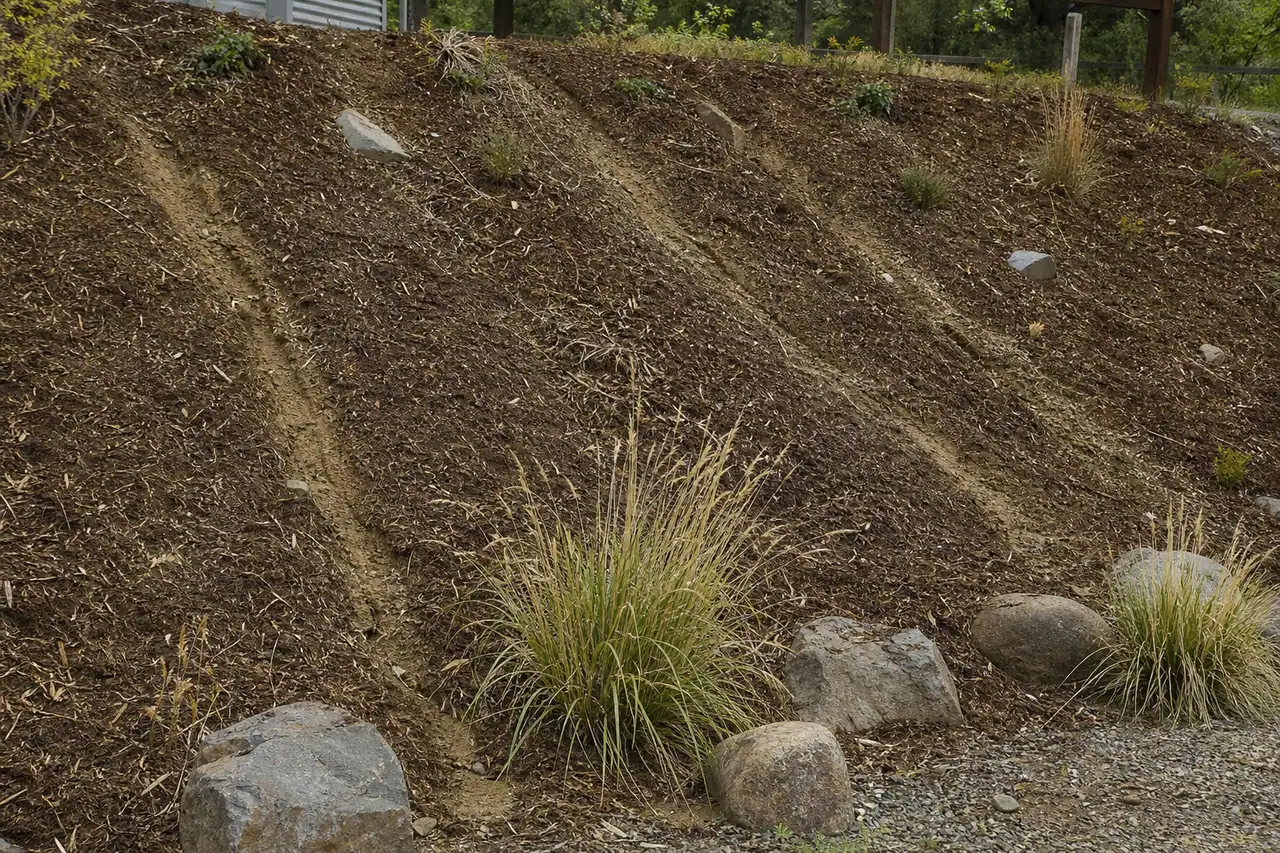
- Mulching works well for pasture, trails, fire breaks, and areas that will not be built on soon. The mulch layer protects bare soil from wind and water erosion.
- Hauling makes more sense for building pads, driveways, and anywhere the ground will be graded or compacted, since buried organic material can settle and cause problems later.
- Many projects use both, mulching the outer areas and hauling from the building and access footprint.
Stumps and roots follow the same logic. Under a future building or driveway, they should come out. In a pasture or along a trail, grinding them flush with the ground is often enough.
Protect the Soil and Drainage Paths
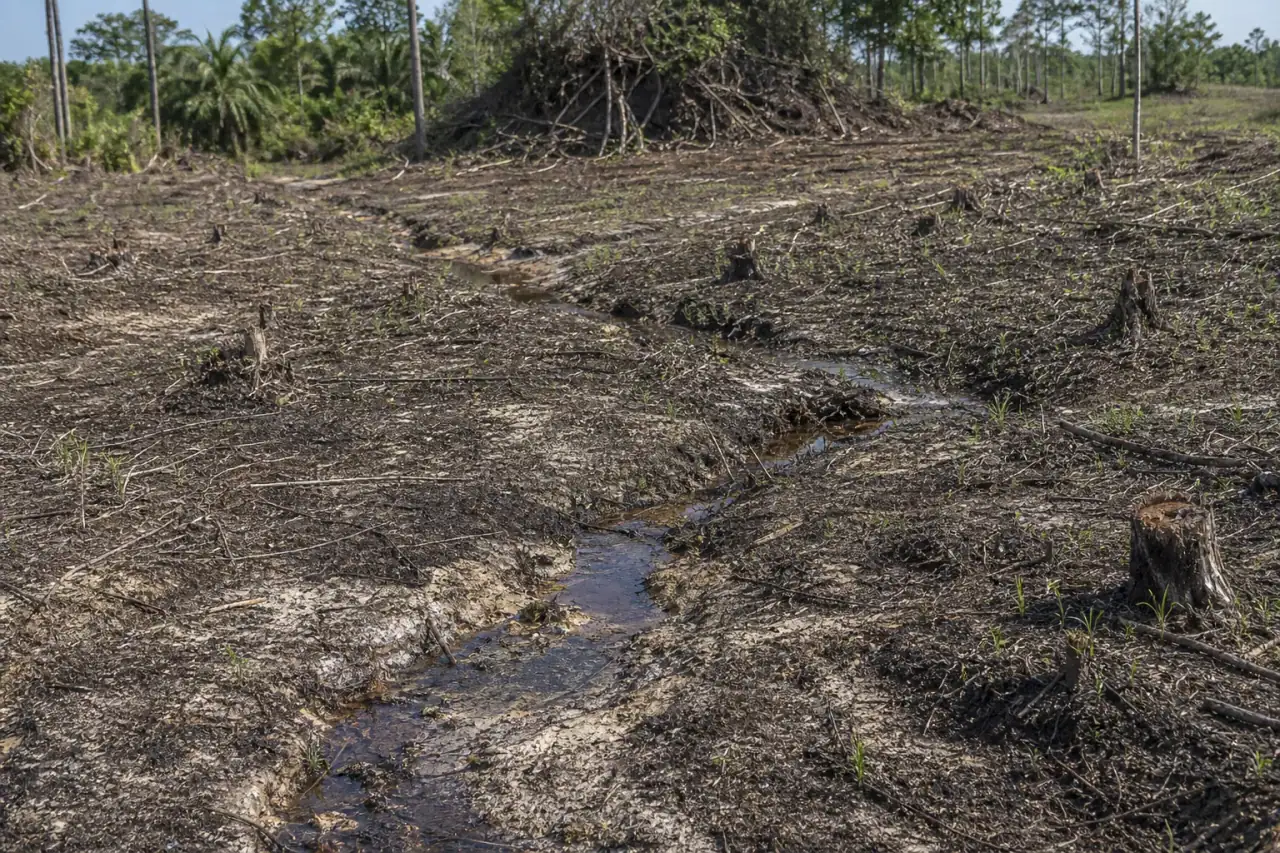
Vegetation holds soil in place. Once it is gone, the ground around Benton City can blow away in summer wind or wash out during a heavy storm or irrigation runoff. Clearing that leaves large areas of bare, loose soil without a plan for cover can create a dust problem one season and an erosion problem the next.
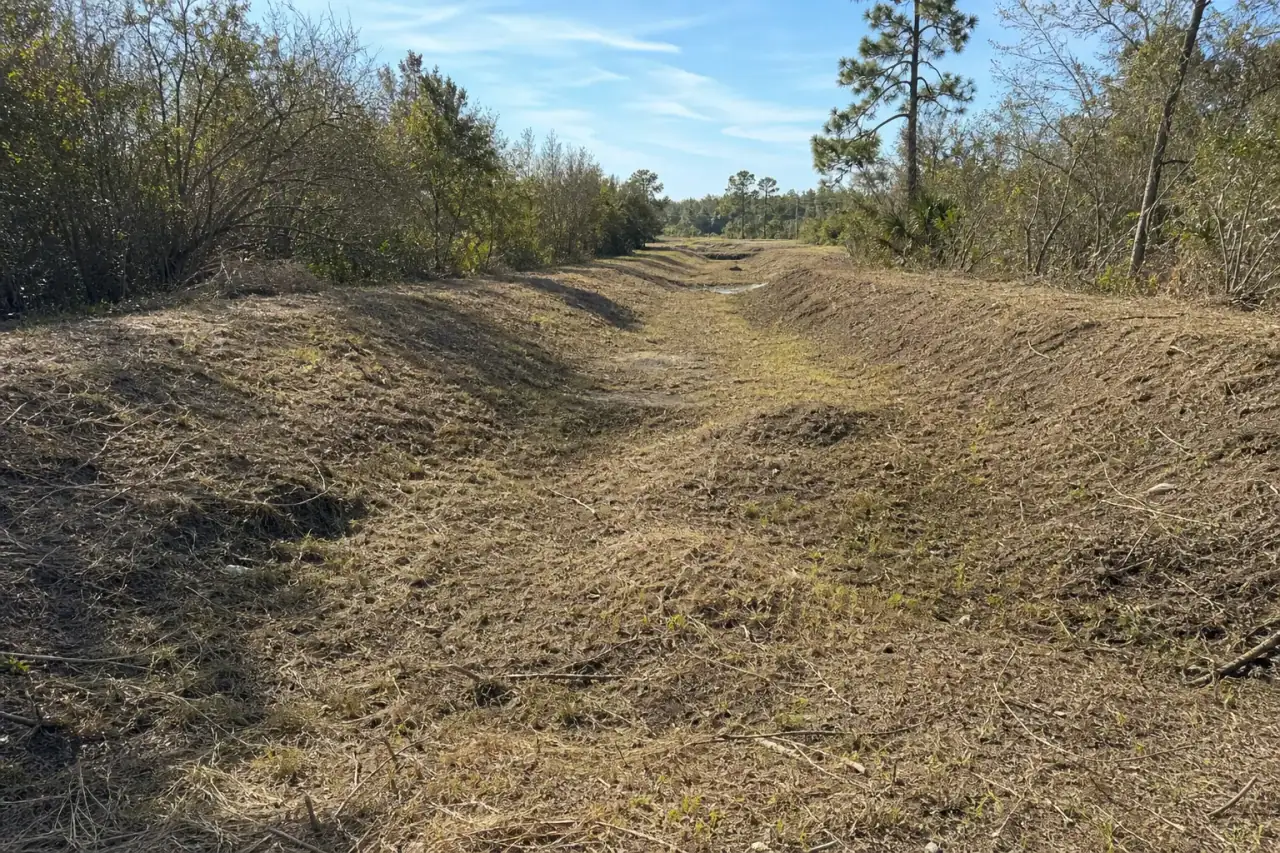
Pay attention to how water moves across the property before clearing. Natural draws and low channels carry runoff, and leaving some vegetation along them, or adding mulch, helps keep them stable. If you have noticed drainage trouble on the property, common drainage problems on rural properties explains the earthwork fixes that are easiest to add while equipment is already on site.
Time the Work Around Fire Season
Dry brush and tall grass are a real wildfire risk in the lower Yakima Valley. Clearing in late fall, winter, or early spring avoids the hottest and driest part of the year, when sparks from equipment are a bigger concern and burn restrictions are common. Clearing before fire season also leaves you with a defensible space around buildings when you need it most.
Cooler months are also easier on the ground in many cases, as long as the soil is not saturated. Our article on when to clear overgrowth and brush on acreage goes into more detail on timing.
What to Expect on Clearing Day
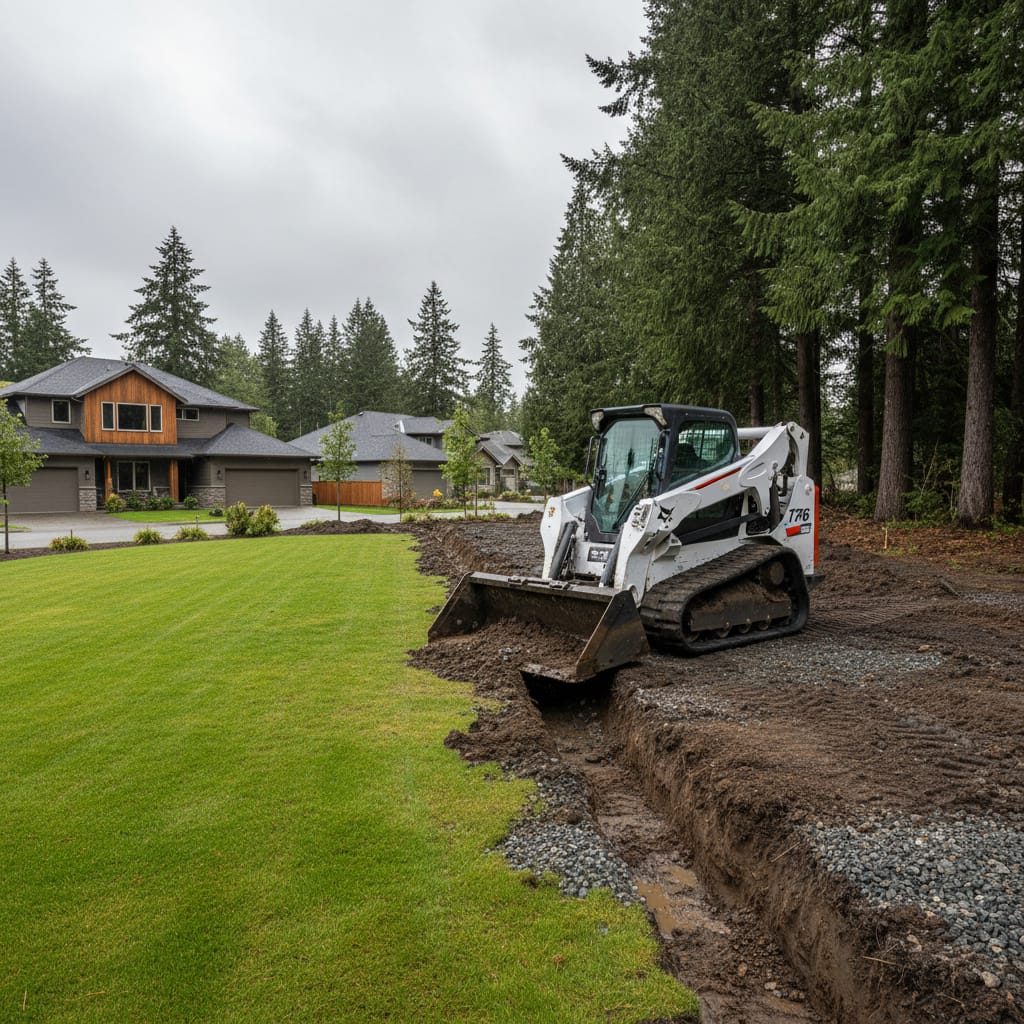
Most acreage clearing around Benton City is done with a compact track loader or skid steer fitted with a mulching head, brush cutter, or grapple, sometimes alongside an excavator for stumps and larger trees. Tracked machines spread their weight over a wide footprint, which helps limit rutting and soil compaction on soft or sandy ground. On a typical job, the crew works from the access point outward, opening a path for equipment first and then clearing each marked area in turn.
Expect noise and some dust while the machines are running, and plan to keep pets and livestock away from the work area. Mulching leaves a layer of shredded wood and brush on the ground that settles over a few weeks. Where material is being hauled, it is usually piled near the access point and loaded out at the end of the job. A short walk-through with your contractor at the end of each day is a good habit: it is the easiest time to adjust what stays, what goes, and how far the clearing extends.
Plan the Next Phase Before Clearing Ends
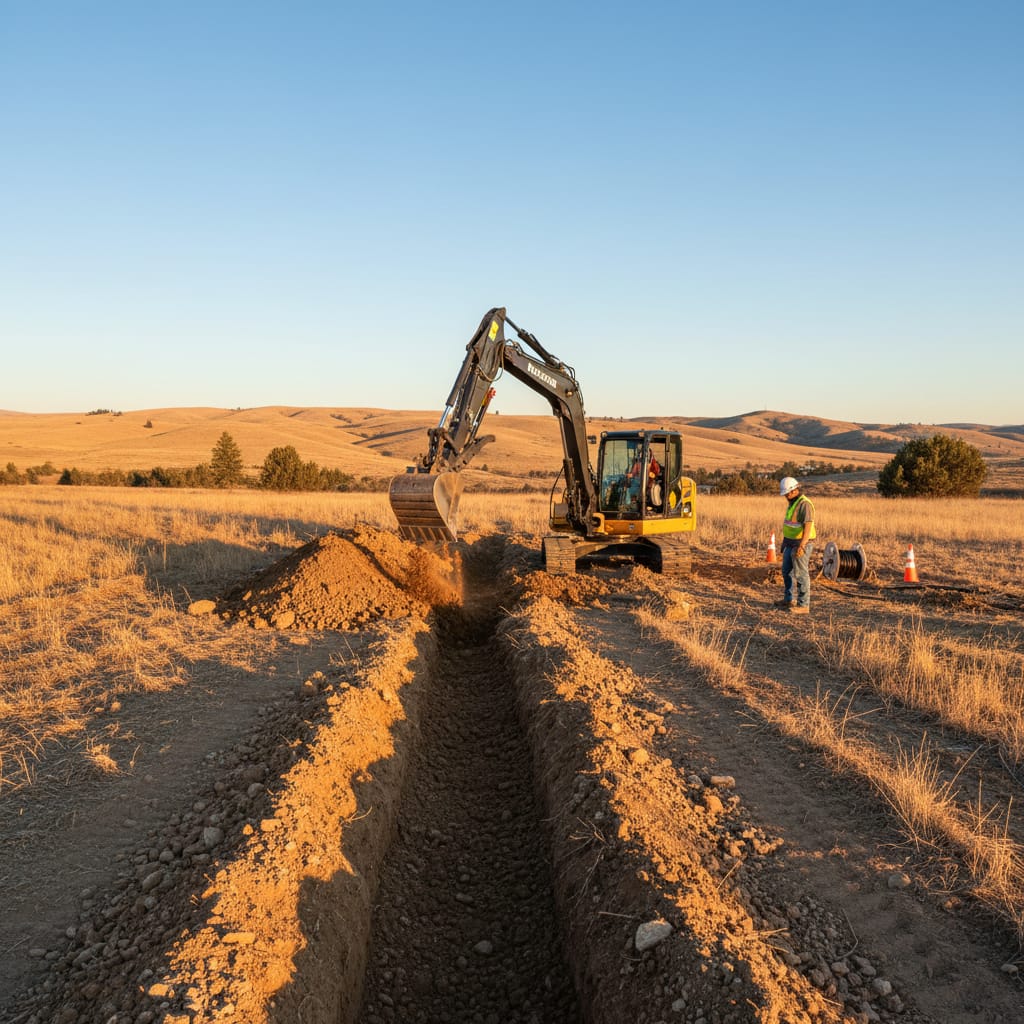
Clearing is rarely the last step. A cleared building site usually needs grading, a pad, and utility trenches. A new pasture may need seeding and fencing. A driveway needs a base and drainage. Having the next phase lined up keeps the cleared ground from sitting bare and growing back, and it often means the same crew and equipment can move straight into the next job.
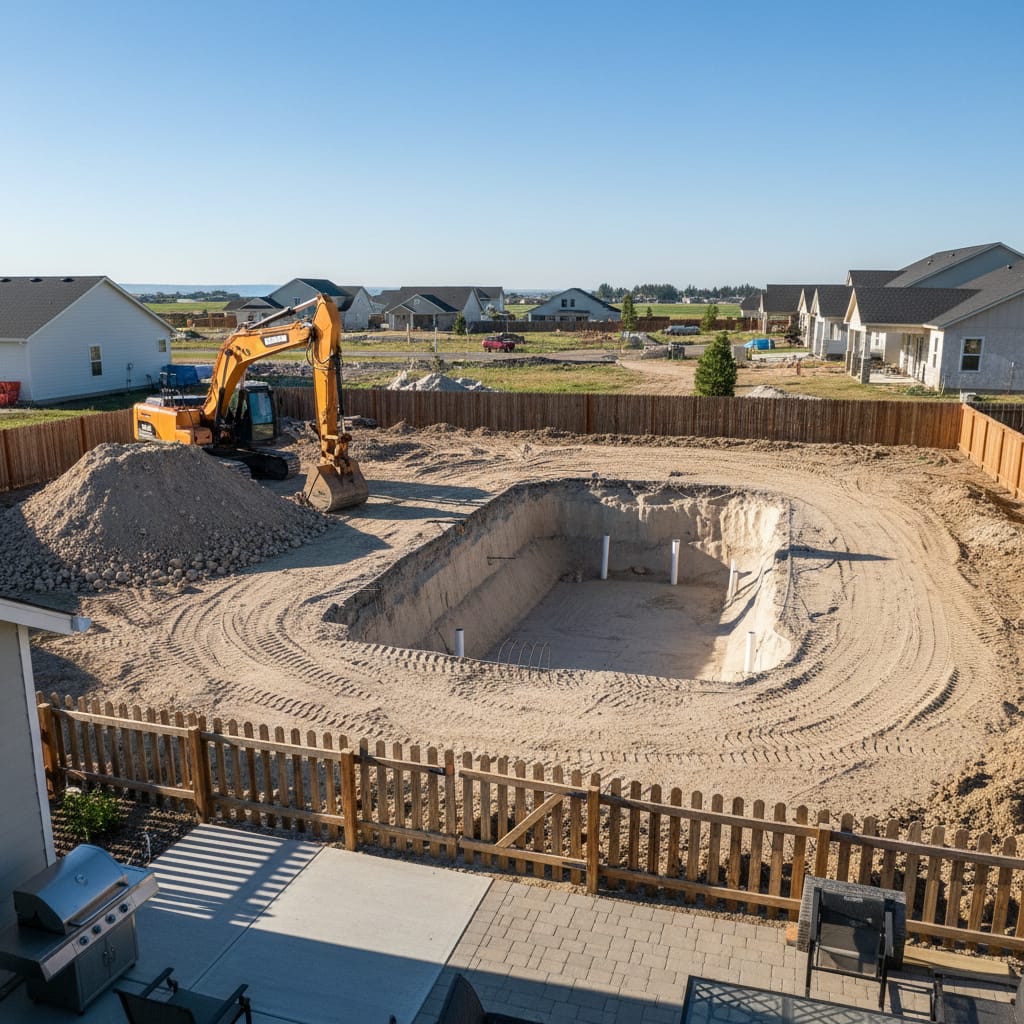
If the goal is building, how to prepare a raw lot for building in the Tri-Cities lays out the full sequence from clearing to a build-ready site, and our earlier post on planning pool digging shows how access and dirt handling carry over to backyard projects.
Getting Started With Land Clearing in Benton City
Good clearing starts with a plan for the land, protects the soil and drainage you already have, and sets up the next phase of work. If your acreage is overgrown and you are ready to put it to use, land clearing in Benton City from White Arrow Land Works covers brush cutting, forestry mulching, stump work, and hauling. Learn more about our land clearing and mulching services, or contact us to walk the property.
Frequently asked questions
What is the difference between land clearing and forestry mulching?
Land clearing is the general term for removing vegetation from a property. Forestry mulching is one method of doing it, where a machine grinds brush and small trees into mulch that stays on the ground. Other methods remove and haul the material away.
Do I need to remove stumps when clearing land?
It depends on how the land will be used. Stumps and roots should be removed under future buildings, driveways, and graded areas. For pasture or trails, grinding stumps flush with the ground is usually enough.
When is the best time to clear land in Benton City?
Late fall through early spring is often best. It avoids the peak of fire season, when equipment sparks and dry brush are a bigger risk, and lets you have the land ready before the building or growing season begins.