What you will learn
- Know when leveling should come before ADU site planning
- See how grade changes improve runoff and access
- Learn what to evaluate before shaping usable space
- Understand common slope and soft-ground warning signs
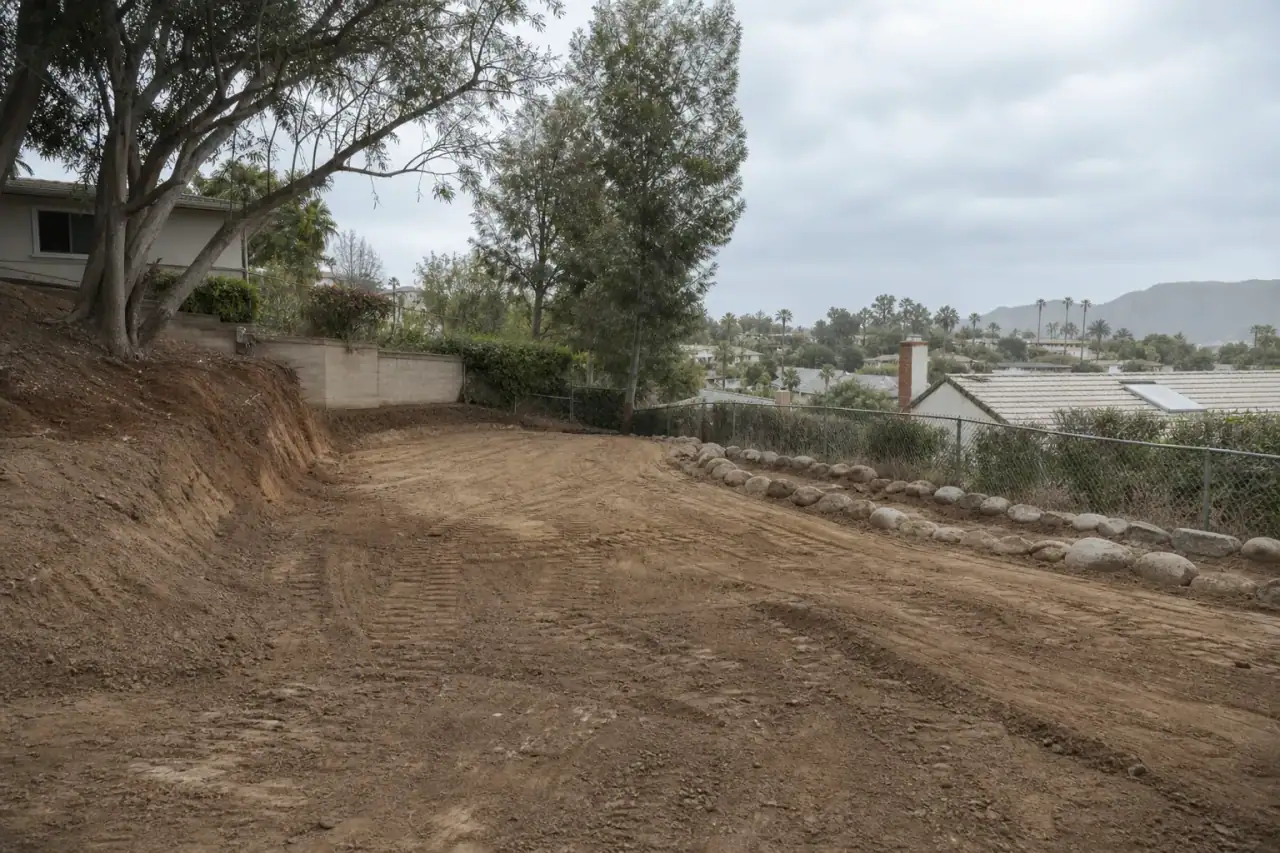
Planning ADU sites in Burbank often starts with one practical question: is the ground ready for safe, efficient use, or does the site need to be leveled first? On uneven acreage, grade problems can affect runoff, equipment movement, surface stability, and how much of the property is actually usable. Before laying out a pad area, access route, or drainage path, property owners need a clear understanding of how the existing slope behaves. For many parcels, thoughtful land leveling is the first step that helps an ADU site function better from the beginning rather than forcing corrections later.
Why uneven ground creates problems for ADU sites
Uneven ground does more than look rough. It can direct water toward the wrong area, create soft travel paths, and limit where materials or equipment can move safely. On ADU sites in Burbank, that matters because the site has to support practical use over time, not just appear flat on the day work is finished. A property may have small rises, hidden depressions, or long rolling slope transitions that seem manageable until tires rut the surface or runoff begins to pond where access is needed most.
In many cases, the first goal is not making every inch perfectly flat. It is creating a controlled grade that sheds water, supports movement, and turns awkward acreage into useful space. If you want a deeper look at what should be reviewed before shaping a build area, see what property owners should evaluate before excavating ADU sites on sloped acreage. That planning mindset applies directly to ADU site preparation where the existing terrain can either help or work against the project.
- Low spots that hold water after irrigation or rain
- Soft or rutted access paths that limit equipment movement
- Slope breaks that reduce usable space
- Surface runoff moving toward intended ADU areas
- Irregular grade that makes staging and circulation harder
When leveling is the right first step
Land leveling is usually the right first step when the site cannot drain predictably or when access is compromised by grade. For ADU sites in Burbank, that often means evaluating whether water crosses the proposed use area, whether equipment has a stable route in and out, and whether the current shape of the ground leaves enough room for safe, practical site use. If the answer to any of those questions is no, leveling should happen before finalizing the layout.
Property owners sometimes focus only on the visible build zone, but the surrounding grade matters too. The approach route, adjacent low areas, and runoff direction all influence how well the site performs. A useful comparison is the broader discussion in this guide on using site leveling to keep water away from pads, ADU areas, and drive lanes. Even when the end goal is a single ADU site, the full property drainage pattern needs to be considered.
How leveling improves drainage around ADU sites
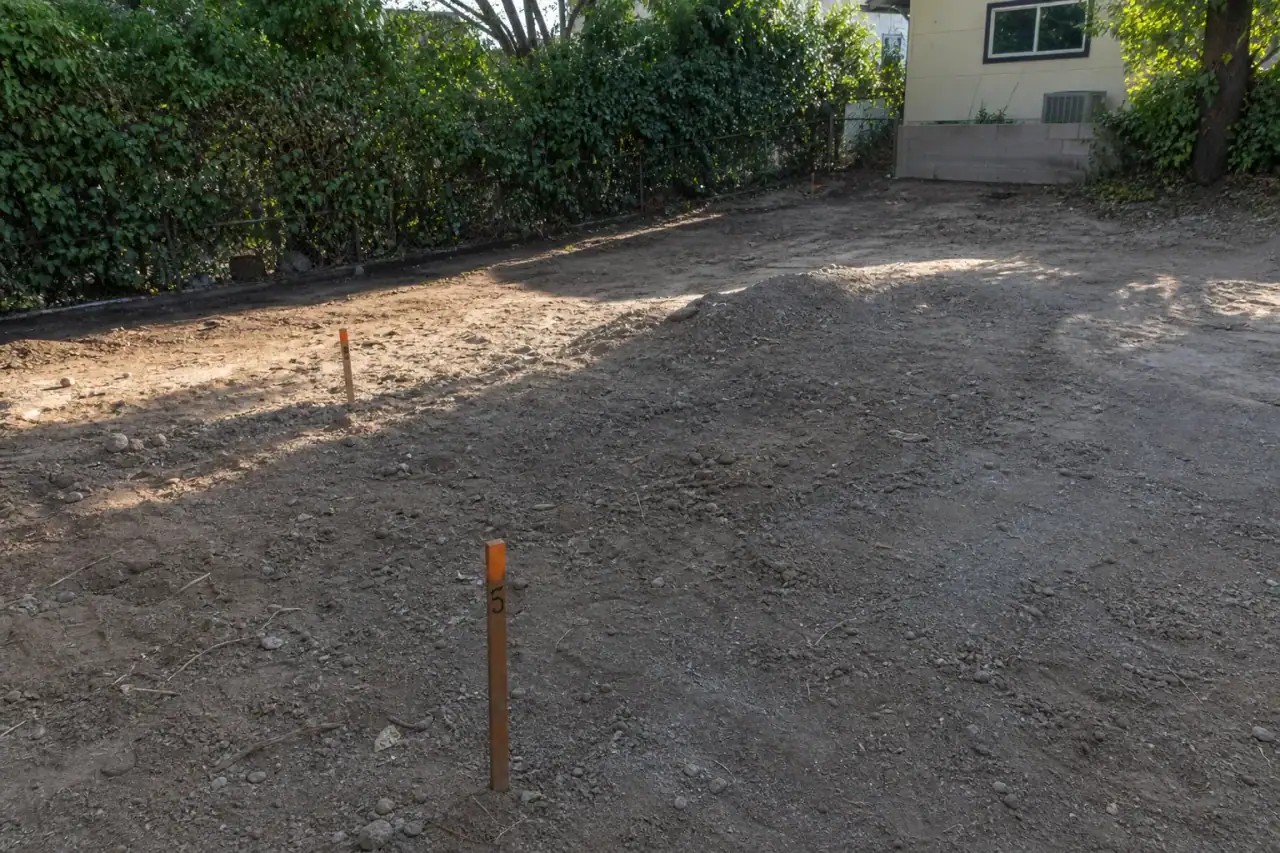
One of the biggest advantages of leveling is improved runoff control. Water naturally follows the grade it is given. If the surface around ADU sites in Burbank is uneven or poorly directed, runoff can collect in low spots, saturate travel paths, and reduce the reliability of the site. By reshaping grade intentionally, it becomes easier to move water away from the primary use area and avoid repeated wet-ground issues.
This does not always mean aggressive reshaping. Sometimes modest adjustments are enough to remove a basin effect, smooth a transition, or establish a more consistent fall away from the intended ADU area. Where drainage concerns are already obvious, it can help to review related grading concepts in this article about shaping rural property for better runoff and build-ready use. The principle is the same: grade should support the site instead of trapping water around it.
Safer equipment access starts with a more stable surface
Access is often overlooked until work begins. On uneven acreage, steep transitions, side slope, and soft spots can make it harder to move equipment or materials where they need to go. For ADU sites in Burbank, that can slow progress and reduce the functional value of the area long after initial site work is complete. A better grade can create a more dependable route, reduce rutting, and improve day-to-day usability of the site.
If the route to the ADU area already shows drainage or slope issues, those should be corrected before the site is relied on for repeated use. A related discussion appears in this breakdown of drainage and slope issues that should be fixed before land leveling. While that article focuses on access-related grading concerns, the same warning signs can affect any ADU site approach across rural property.
What to evaluate before planning the site layout
Before finalizing ADU sites in Burbank, a few site conditions deserve close review. First, identify where water currently travels and where it stops. Second, look at the high and low points across the intended use area and along the access route. Third, determine whether rough vegetation, debris, or surface irregularities are hiding the true grade. On some properties, cleanup and evaluation reveal that the usable area is larger than expected once the terrain is read correctly.
That is why site preparation decisions should be sequential. If overgrowth or scattered material is masking the grade, a property owner may benefit from reading what to know before preparing a site for a pad or ADU area and how uneven acreage can be prepared for better drainage, stable access, and future build sites. The exact site conditions differ, but the process of evaluating drainage, access, and rough grade before committing to a final layout remains essential.
How much leveling is enough?
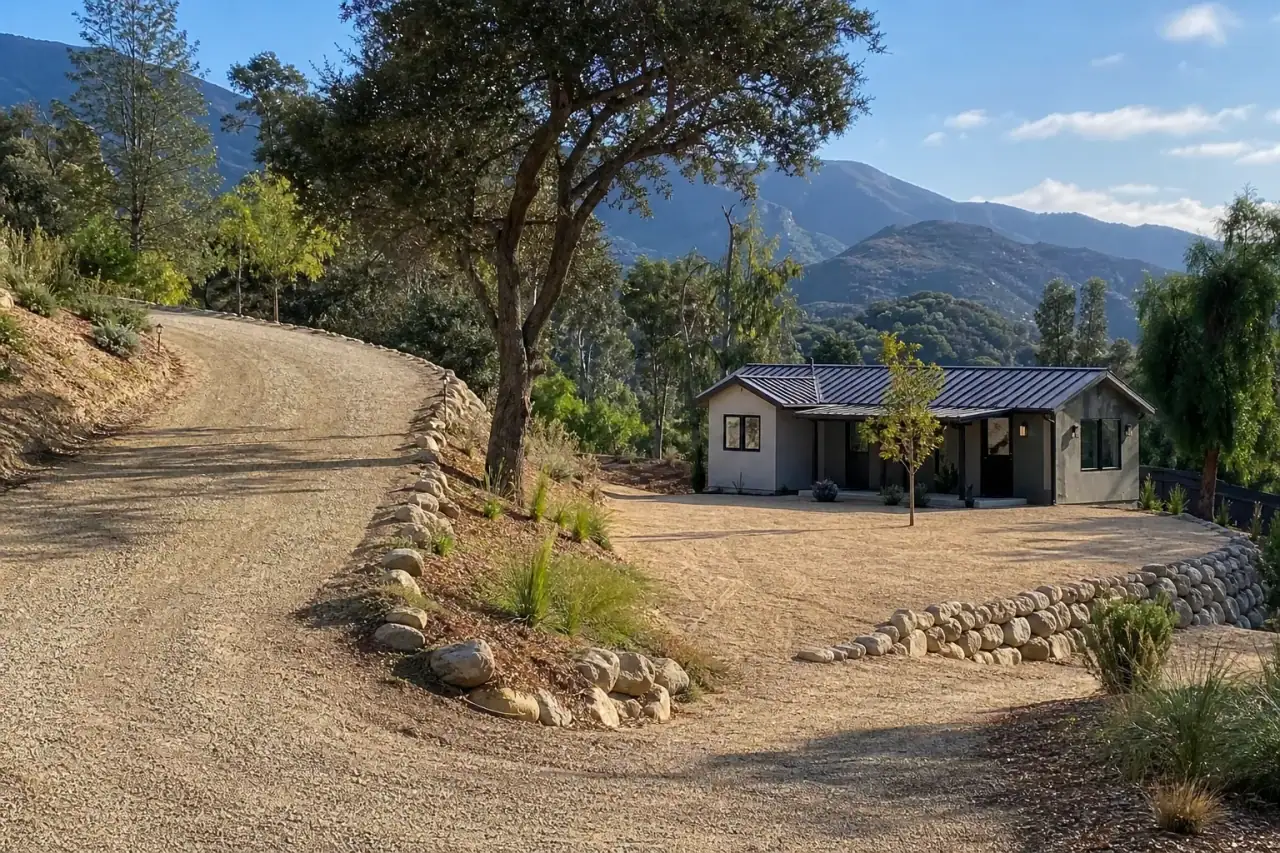
The right amount of leveling depends on the site, the surrounding grade, and how the ADU area will be used. Overcorrecting can be just as unhelpful as doing too little. The goal for ADU sites in Burbank is to create a surface that drains well, supports access, and uses the natural terrain intelligently. In many cases, preserving workable slope while eliminating problem spots produces a better long-term result than trying to force a uniform grade across the entire property.
Owners should also think beyond the immediate footprint. Once the ADU site is leveled, how will water move around its edges? Will nearby low spots stay wet? Will the approach route remain stable season after season? These broader questions are similar to the issues covered in this guide on correcting low spots, soft access routes, and drainage problems before they affect rural build sites. A successful site is one that works as a system, not just as a single flat patch of ground.
Choosing a practical first move for your property
If your acreage has irregular slope, standing water, or limited access, leveling may be the smartest first move before any final decisions are made about ADU sites in Burbank. It helps define usable space, supports better runoff, and creates a safer, more functional surface for the property. Rather than trying to plan around rough grade, it is usually more efficient to address the grade first and then make layout choices based on a site that is actually workable.
For homeowners and local business owners alike, the value of leveling is clarity. Once the ground is shaped correctly, it becomes easier to understand where the best access should be, how water should leave the area, and how much of the site can be used with confidence. When ADU sites in Burbank are prepared with those fundamentals in mind, the property is positioned for better performance from the start.
Source: landscaping techniques that help manage runoff
Frequently asked questions
How do I know if my Burbank property needs leveling before planning an ADU site?
If the area has visible low spots, soft ground, runoff moving through the intended use zone, or difficult equipment access, leveling is often worth evaluating first. The purpose is to create a stable, usable surface with predictable drainage before finalizing the site layout.
Will leveling always mean making the entire ADU site completely flat?
No. A functional ADU site often needs controlled slope rather than total flatness. The best result usually comes from shaping the surface so water drains properly, access is safer, and the ground works with the property’s natural contours instead of against them.
What should be reviewed before starting land leveling for an ADU site in Burbank?
Review current drainage patterns, high and low points, access routes, soft areas, and any vegetation or debris that may be hiding grade problems. It is also important to think about how surrounding terrain will affect the ADU site after leveling, especially at the edges and along the approach.