What you will learn
- Identify early signs that brush is hiding bigger site problems
- See how overgrowth affects access, drainage, and usable space
- Learn when clearing should happen before other site planning
- Understand what a professional clearing plan should prioritize
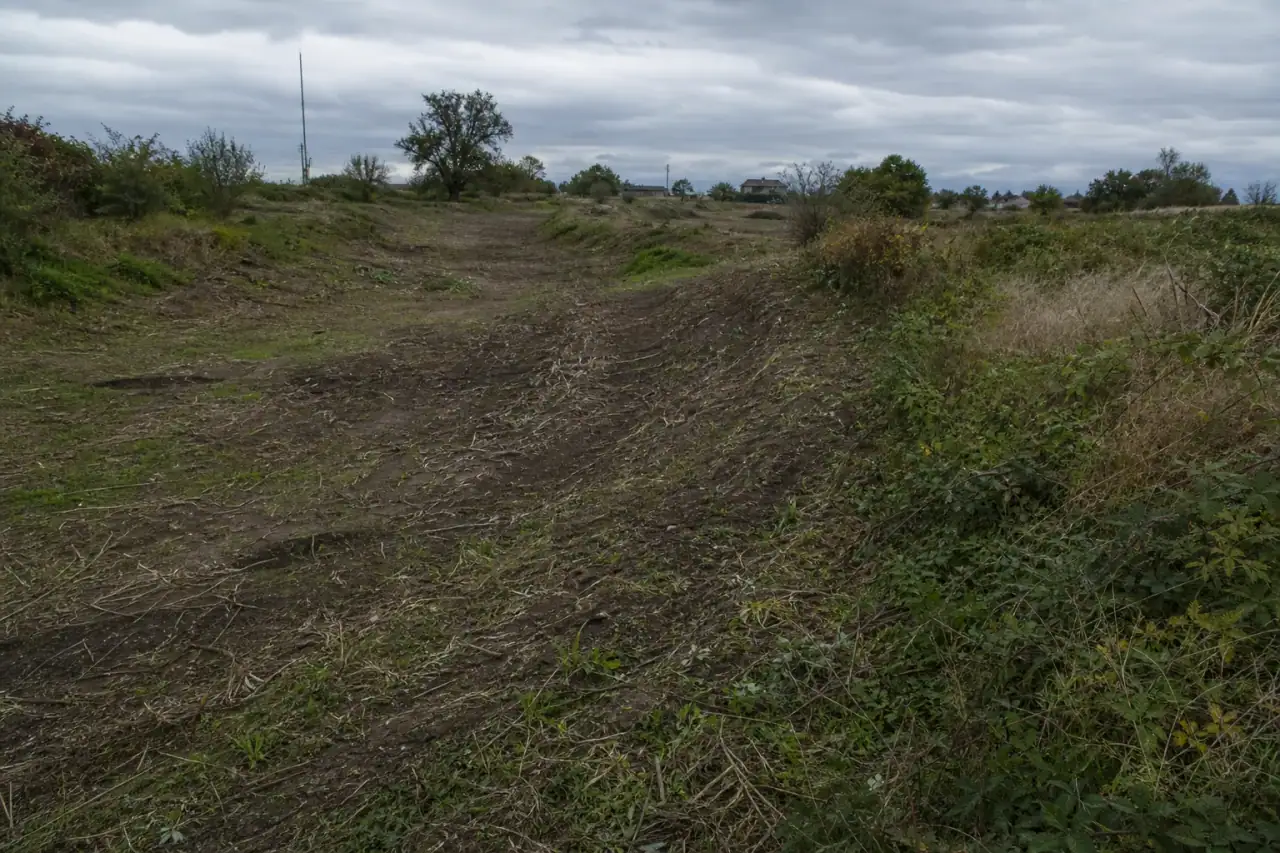
Overgrowth removal in Kennewick is often the first step rural property owners should consider when they want clearer access, better visibility, and a more usable site before planning future improvements. If brush, volunteer growth, tall weeds, and neglected vegetation are left in place, they can hide runoff patterns, soft areas, buried debris, and layout problems that make it harder to make smart decisions about the property. For homeowners and local business owners in Kennewick, addressing overgrowth early helps reveal what the land is actually doing before more detailed site planning begins.
That matters because overgrown acreage rarely stays a simple appearance issue. Dense vegetation can mask uneven surface conditions, trap moisture, narrow access routes, and make sections of a property look usable when they are actually unstable or poorly drained. As explained in this guide on preparing uneven acreage in Kennewick, the first challenge is often understanding the real condition of the site. With professional overgrowth removal, property owners can see boundaries, identify problem zones, and plan the next steps with fewer surprises.
Why Overgrowth Removal Should Happen Early
When vegetation has taken over an acreage, it becomes difficult to judge how water moves, where access naturally fails, and which sections are practical for near-term use. Thick brush may be hiding shallow channels, ruts, soft shoulders, old fencing, rock piles, or abandoned material. In Kennewick, where many rural lots include a mix of open ground and neglected edges, overgrowth removal creates the visibility needed to assess the property accurately instead of guessing from the road or from a few walkable spots.
It also helps owners avoid sequencing mistakes. Clearing after layout decisions have already been made can expose conditions that force a redesign, a different access route, or a change in how the site will be used. A useful comparison appears in this article about clearing rough acreage before planning improvements, which shows how hidden site conditions can affect the next phase. Overgrowth removal is not just cleanup; it is what allows the property to be read correctly.
5 Signs Your Kennewick Acreage Needs Overgrowth Removal
1. You Can’t Clearly See the Ground Surface
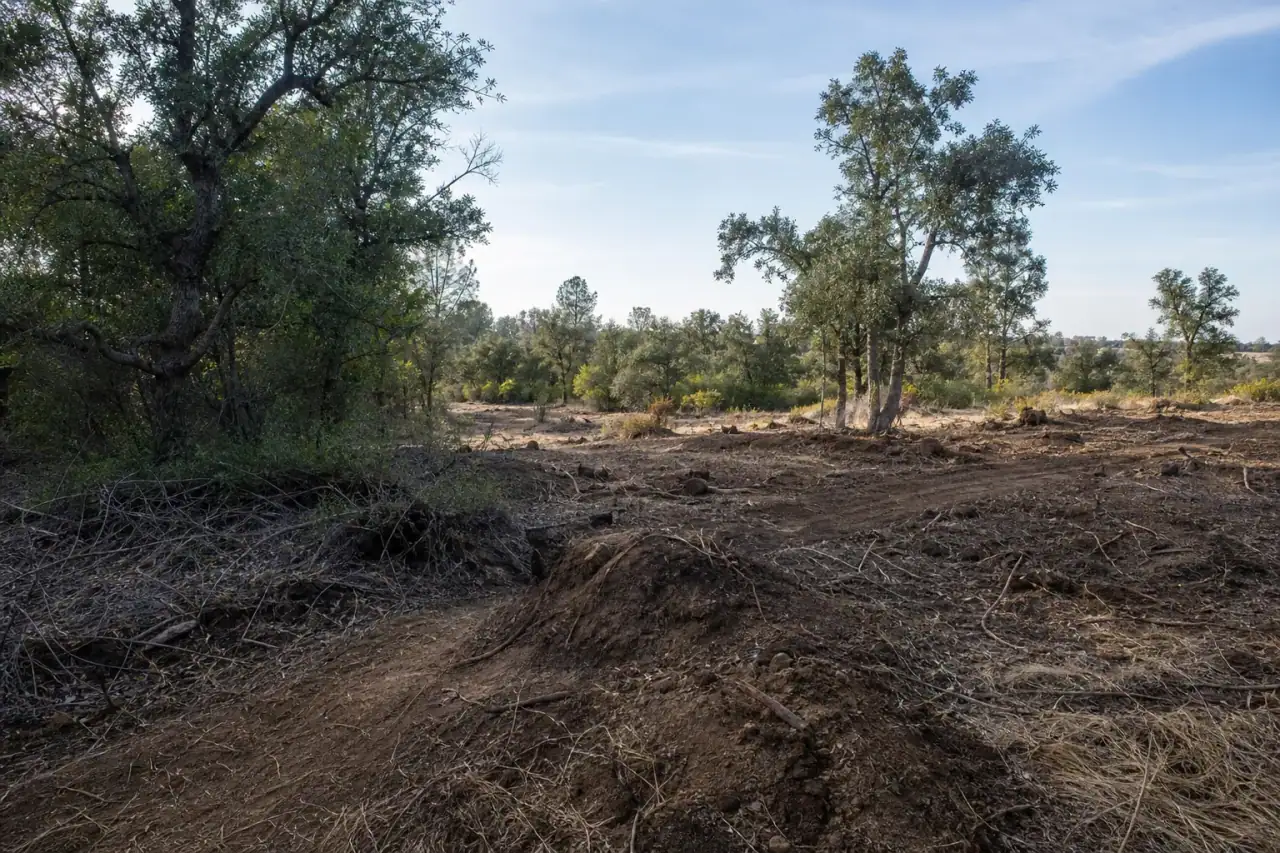
If you cannot visually follow the shape of the ground across your property, you do not yet know how usable it is. Tall grass, brush clusters, saplings, and tangled growth can conceal dips, mounds, washouts, and abrupt transitions that affect access and planning. Overgrowth removal in Kennewick helps expose those surface conditions so the property can be evaluated based on what is really there, not what the vegetation suggests from a distance.
This is especially important on acreage that has been sitting unused for several seasons. Owners often discover that what looked like a broad open section is interrupted by brush islands, hidden trash, or irregular ground that breaks continuity across the site. A related perspective is covered in this post on using overgrowth removal to make acreage more usable, where visibility and long-term planning start with clearing the land enough to inspect it properly.
2. Water Seems to Disappear Into Brushy Areas
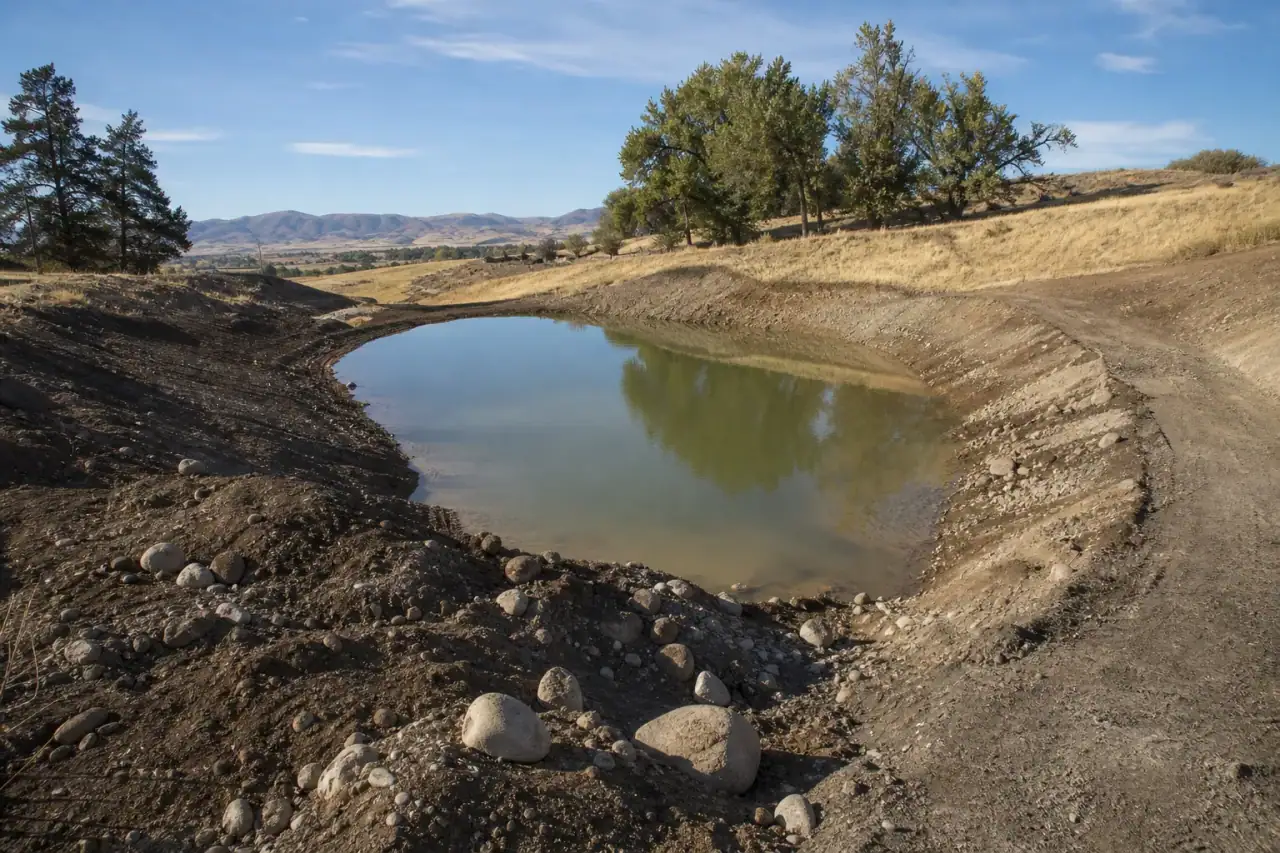
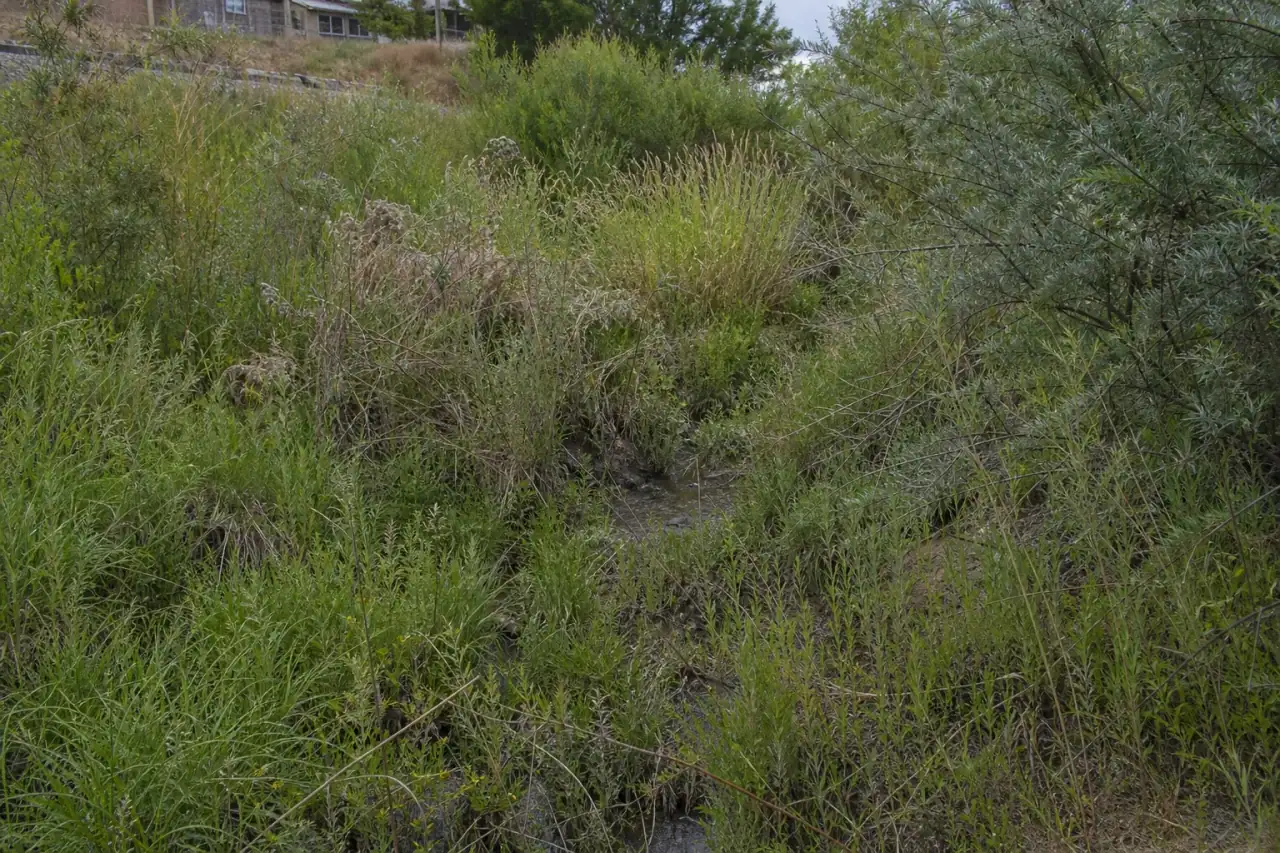
When runoff vanishes into thick growth, that is not a sign that the property is draining well. More often, vegetation is hiding low areas, saturated pockets, shallow channels, or debris that is slowing or redirecting water. In Kennewick, overgrowth removal can reveal where moisture is collecting and whether a section of the acreage stays soft longer than it should after irrigation or rainfall.
Without that visibility, owners may assume the issue is minor when the real problem is buried under weeds and brush. Reviewing how site conditions influence future planning in this article on keeping water away from usable areas can help reinforce why seeing runoff patterns matters early. Before any serious property planning, overgrowth removal gives you a clearer read on where water is lingering and what areas deserve closer attention.
3. Access Routes Feel Soft, Narrow, or Unreliable
One of the most common signs that overgrowth removal is overdue is when existing access feels inconsistent. Maybe the entrance is passable in dry weather but soft at the edges, or maybe the route pinches down because brush has crept inward over time. In other cases, the vegetation may be concealing ruts, side-slope issues, or loose material that makes travel across the acreage less predictable than it appears.
For property owners in Kennewick, clearing those corridors does more than make the site look maintained. It helps define real travel paths, exposes edge conditions, and shows whether a route is suitable for regular use or only looks that way because the problem areas are hidden. Similar site-readability issues show up in this guide on clearing access areas before conditions worsen, where overgrowth and hidden obstacles make planning harder and more expensive later.
4. The Property Has Patchy Growth and Inconsistent Surface Texture
Patchy vegetation often signals that the ground beneath is behaving differently from one section to another. Areas with dense growth beside thin or bare zones can point to changing moisture levels, buried material, compacted spots, or neglected disturbance from prior use. Overgrowth removal in Kennewick helps uncover these surface inconsistencies so you can understand whether the land is uniform enough for your intended use or whether some sections need closer review.
This kind of contrast is easy to miss when the property has not been maintained in a while. Brush can create a false sense of continuity that disappears once the surface is exposed. In this related article on uneven acreage and future site use, the main lesson is that visible surface clues matter. Overgrowth removal gives owners those clues back by stripping away the plant cover that masks transitions and problem zones.
5. You’re Planning Improvements but Still Working Around Neglect
If your property still has unmanaged brush, volunteer trees, weed-choked edges, or old neglected corners, that is a practical sign that overgrowth removal should happen before any larger planning decisions. It is difficult to map usable areas when visibility is poor and the site has not been cleaned back to a readable condition. In Kennewick, this is especially true for larger lots where one overgrown section can affect circulation, drainage awareness, and how the entire property feels to use.
Property owners often gain the biggest advantage simply by reclaiming visibility and control. Once the overgrowth is removed, the site can be walked more confidently, measured more accurately, and divided into realistic use zones. A comparable planning-first mindset appears in this piece on preparing raw acreage without overcorrecting conditions, where the core idea is the same: understand the land clearly before you commit to the next step.
What Professional Overgrowth Removal Should Accomplish
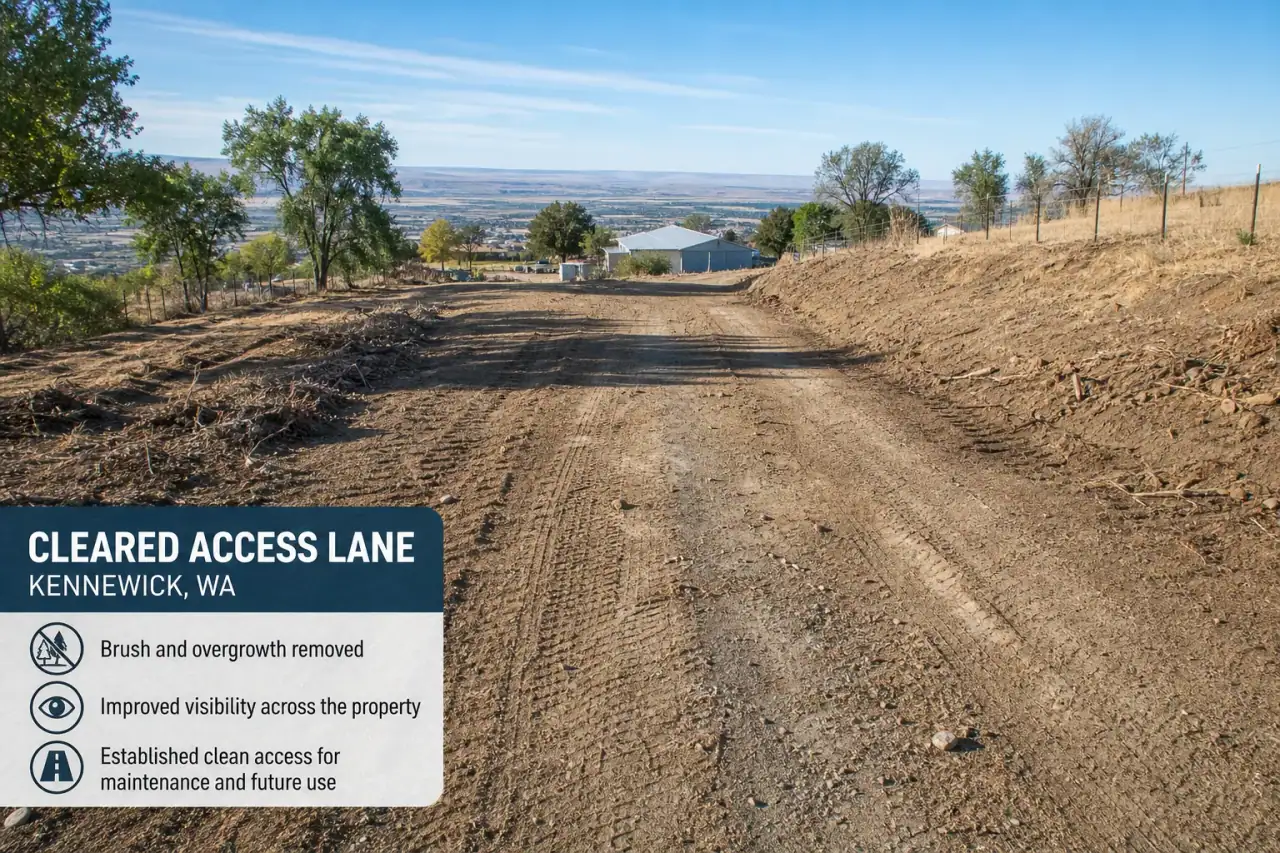
Professional overgrowth removal should do more than cut vegetation down at random. The goal is to open the site in a way that improves visibility, restores access, and helps reveal the property’s real condition. That means identifying brush concentrations, reclaiming travel corridors, exposing transitions in ground surface, and removing enough vegetative clutter that future planning can happen with confidence. For many Kennewick properties, that process also exposes neglected boundaries, forgotten piles, and low-lying spots that were impossible to judge beforehand.
- Clear brush and tall vegetation that block sightlines across the acreage
- Open access paths so the property can be inspected more completely
- Expose hidden soft spots, drainage traces, and surface inconsistencies
- Create a cleaner baseline for deciding how the site should be used next
How WHITE ARROW LAND WORKS Helps Kennewick Property Owners
WHITE ARROW LAND WORKS approaches overgrowth removal in Kennewick as a practical land-readiness service, not just a cosmetic cleanup. The purpose is to help homeowners and local business owners regain control of neglected acreage, improve visibility, and make informed decisions about what the site can realistically support. By clearing back overgrowth methodically, the property becomes easier to inspect, safer to move through, and more useful for near-term planning.
That kind of clarity can save time and reduce avoidable missteps. Instead of planning around assumptions, owners can work from what is actually present on the land once the brush and heavy vegetation are out of the way. Whether the issue is hidden runoff, unreliable access, or simply too much unmanaged growth to evaluate the site properly, overgrowth removal gives the property a clean starting point.
Conclusion
If your acreage is hard to read, difficult to access, or hiding soft areas and runoff behind heavy vegetation, overgrowth removal in Kennewick is one of the most important first steps you can take. It exposes the real condition of the property, helps you spot trouble early, and creates a cleaner baseline for future planning. For property owners who want clearer visibility, better usability, and a more informed path forward, WHITE ARROW LAND WORKS provides professional overgrowth removal in Kennewick tailored to the realities of rural land.
Source: EPA guidance on managing runoff around your property
Frequently asked questions
Why should overgrowth removal happen before other property planning?
Because unmanaged brush and tall vegetation can hide soft ground, runoff paths, buried debris, and unreliable access. Clearing first gives you a more accurate view of the property so decisions are based on visible site conditions instead of assumptions.
How do I know if my Kennewick acreage is overgrown enough to need professional clearing?
If you cannot clearly see the ground surface, walk the property easily, identify where water is moving, or confirm that access routes are stable and open, professional overgrowth removal is worth considering. The goal is to restore visibility and make the site easier to evaluate.
Will overgrowth removal help me understand drainage and access issues?
Yes. While clearing vegetation does not fix every site condition by itself, it often reveals where moisture collects, where travel routes narrow or soften, and where hidden obstacles are affecting usability. That visibility is one of the biggest benefits of clearing neglected acreage.